Understanding Zoning Laws and Land Use Regulations in Central Valley
Discover how local zoning codes directly impact your residential or commercial property investment decisions.

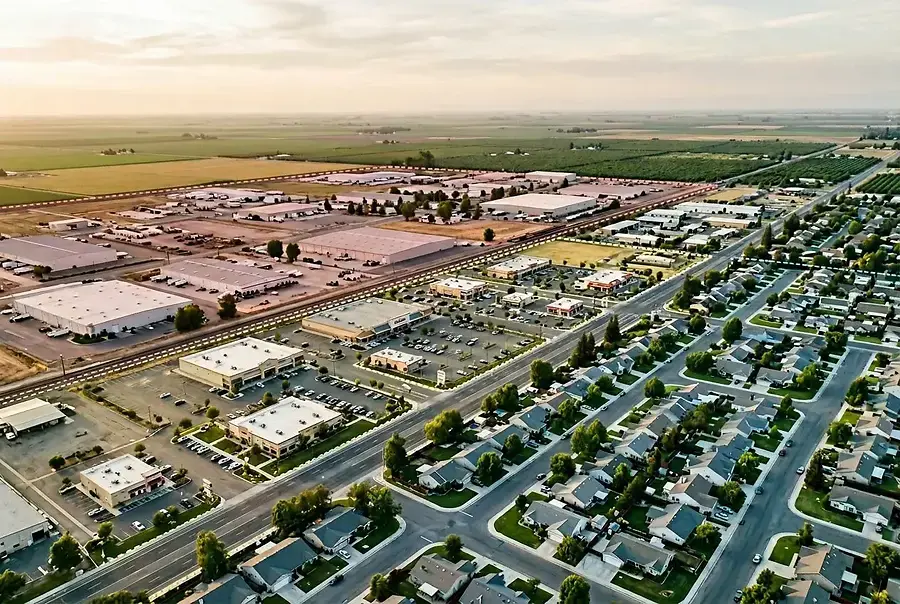
Why Zoning Matters for Property Owners and Investors
Zoning laws are the backbone of urban and rural planning, serving as the invisible framework that determines what can and cannot be built in specific areas. For property owners and investors in Central Valley, understanding these regulations is not just helpful—it's essential. Whether you're considering purchasing a residential home, developing commercial property, or investing in land, zoning codes directly influence your property's value, potential uses, and long-term profitability.
Many investors overlook zoning regulations until they've already committed to a property, only to discover their plans are incompatible with local codes. This costly mistake can be avoided with proper due diligence. Zoning laws protect community character, ensure compatible land uses, and maintain property values by preventing incompatible developments from occurring next to residential neighborhoods or commercial districts.
Understanding zoning is your first step toward making smart real estate decisions. Before making any property investment, you should familiarize yourself with the specific zoning classifications in your target area and what they permit.
Residential Zoning Requirements in Central Valley Communities
Single-Family Residential Zones
Central Valley communities typically designate areas as single-family residential zones, often labeled as R-1 or similar classifications. These zones are designed exclusively for detached single-family homes and protect the character of established neighborhoods. In these areas, you'll find restrictions on:
- Lot sizes and minimum square footage requirements
- Building height limitations
- Setback requirements from property lines
- Parking and driveway specifications
- Restrictions on accessory structures and home-based businesses
If you're planning to build or renovate in a single-family zone, ensure your project complies with these requirements. Many homeowners are surprised to learn that their dream addition or home office may violate local zoning codes.
Multi-Family Residential Zones
Multi-family residential zones (often designated as R-2, R-3, or higher) permit apartments, condominiums, and townhomes. These zones typically allow higher density development and may include:
- Specifications for the number of units allowed per acre
- Parking requirements based on unit count
- Common area and amenity requirements
- Building design and architectural standards
- Noise and traffic impact considerations
Investors interested in multi-family properties should carefully review these regulations, as they significantly impact development costs and potential returns on investment.
Mixed-Use Residential Zones
Some Central Valley communities have introduced mixed-use zones that combine residential units with ground-floor commercial spaces. These progressive zoning classifications encourage walkable communities and can offer attractive investment opportunities for developers willing to navigate the additional complexity of mixed-use projects.
Commercial Zoning and Development Regulations by Area
Neighborhood Commercial Districts
Neighborhood commercial zones (typically C-1 classifications) are designed to serve local communities with small-scale retail, services, and offices. These areas maintain compatibility with nearby residential neighborhoods through:
- Limitations on building size and height
- Restrictions on types of businesses allowed
- Parking and loading dock requirements
- Signage regulations and restrictions
- Operating hour limitations for certain businesses
Neighborhood commercial zones are ideal for small business owners seeking accessible locations without the intensity of larger commercial districts.
General Commercial Zones
General commercial zones (C-2 or C-3) permit a broader range of retail, office, and service businesses. These areas typically feature:
- Fewer restrictions on business types
- Higher building heights and larger footprints
- More flexible parking requirements
- Allowances for larger signage
- Greater operational flexibility
These zones are popular with investors seeking to develop shopping centers, office parks, and larger commercial establishments.
Industrial and Manufacturing Zones
Industrial zones (typically I-1 or I-2) are reserved for manufacturing, warehousing, and heavy commercial uses. Central Valley's agricultural heritage has influenced the development of industrial zones that support food processing, distribution, and related industries. Key regulations include:
- Restrictions on residential uses
- Environmental and pollution control standards
- Truck traffic and loading requirements
- Buffer zones from residential areas
- Hazardous material storage regulations
Industrial properties can offer significant investment potential, particularly in areas with strong logistics and agricultural processing infrastructure.
Using Zoning Knowledge to Make Informed Real Estate Decisions
Before you invest in any Central Valley property, take these essential steps:
- Review the zoning designation – Contact your local planning department or check online zoning maps to identify the property's classification.
- Understand permitted uses – Obtain a copy of the zoning ordinance and identify what uses are permitted, conditional, or prohibited.
- Check for variances or exceptions – Determine if the property has any existing variances or conditional use permits that affect its current or potential uses.
- Assess future zoning changes – Review the community's comprehensive plan to understand if zoning changes are anticipated in the area.
- Consult with professionals – Work with real estate attorneys, planning consultants, or local agents familiar with zoning regulations.
Zoning regulations are not static. Communities periodically update their zoning codes to reflect changing needs and development patterns. Staying informed about proposed changes in your target investment area can help you identify emerging opportunities or potential challenges.
Zoning knowledge transforms you from a passive property buyer into an informed investor capable of identifying opportunities others might miss.
By understanding Central Valley's zoning laws and land use regulations, you position yourself to make strategic real estate decisions that align with your investment goals. Whether you're a first-time homebuyer, a residential developer, or a commercial investor, zoning literacy is your competitive advantage in the real estate market.