Upgrading from Condo to Single-Family Home in Chicago Suburbs
Learn what to expect when making the transition from urban condo living to suburban single-family homeownership in Glenview and Chicago's surrounding communities.

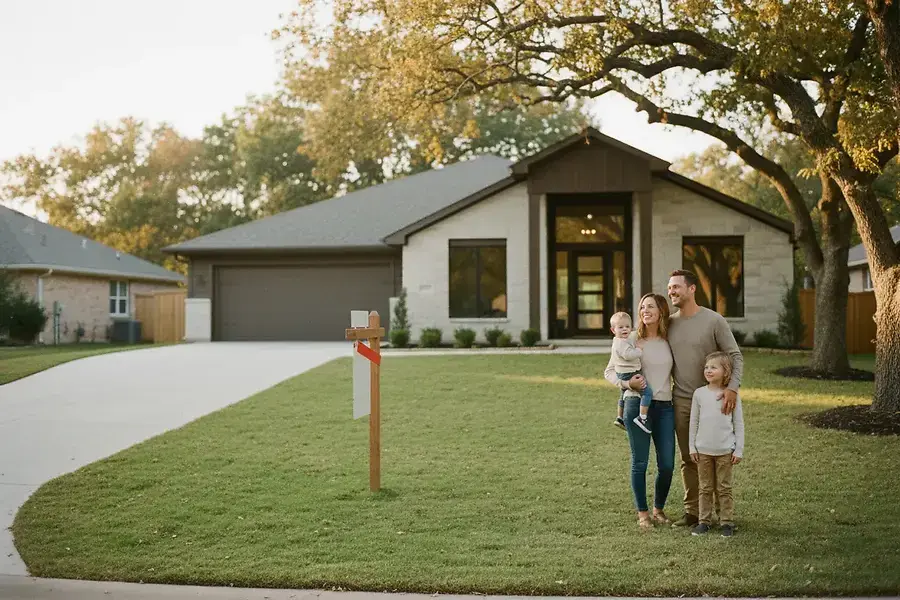
Understanding the Condo-to-House Transition
Making the leap from condo living to a single-family home is an exciting milestone for many Chicago-area residents. Whether you're drawn to the spaciousness of Glenview or the charm of other suburban communities, this transition represents more than just a change of address—it's a fundamental shift in how you'll live and manage your property.
The move from urban condo living to suburban homeownership offers numerous advantages: more space, privacy, control over your property, and often a stronger sense of community. However, it also comes with new responsibilities and considerations that first-time single-family homeowners should understand before making the jump.
Key Differences: Maintenance, Costs, and Responsibilities You'll Face
Maintenance and Upkeep
One of the most significant differences between condo and single-family home ownership is maintenance responsibility. In a condo, your homeowners association typically handles exterior maintenance, roof repairs, and common area upkeep. As a single-family homeowner, you become responsible for everything—from the roof to the foundation, the landscaping to the HVAC system.
- Roof repairs and replacements
- HVAC system maintenance and repairs
- Plumbing and electrical systems
- Exterior painting and siding
- Lawn care and landscaping
- Driveway and foundation maintenance
Budget for regular maintenance costs, which typically range from 1-2% of your home's value annually. This includes both routine upkeep and unexpected repairs.
Property Taxes and Insurance
Single-family homes in Chicago's suburbs often come with higher property taxes than condos, though this varies by community. Research specific tax rates in neighborhoods like Glenview, Evanston, or Naperville before committing to a purchase. Additionally, homeowners insurance for single-family homes is typically more expensive than condo insurance, as you're insuring the entire structure rather than just the interior.
Utilities and Operating Costs
Larger homes mean higher utility bills. You'll likely pay more for heating, cooling, water, and electricity compared to your condo. However, many suburban homes offer opportunities for energy efficiency upgrades that can offset these costs over time.
Finding the Right Suburban Home: Location and Lifestyle Considerations
Evaluating Neighborhoods
Chicago's suburbs offer diverse communities with different characteristics. Consider what matters most to your family:
- Schools: Research school district ratings if you have or plan to have children
- Commute: Calculate your daily commute time to work or the city
- Amenities: Look for parks, shopping, dining, and recreation options
- Community Feel: Visit neighborhoods at different times to get a sense of the community
- Future Development: Research planned developments that might affect your area
Home Size and Layout
Moving from a condo means you'll likely have significantly more space. Think carefully about what you actually need. A larger home means more to clean, maintain, and heat. Consider your lifestyle: do you need a large yard, a home office, or space for hobbies? Don't buy more house than you'll realistically use.
Age and Condition of the Home
Older homes in established suburbs like Glenview have charm and character but may require more maintenance. Newer homes often come with warranties and updated systems but may lack the established landscaping and neighborhood feel. Have a thorough home inspection conducted regardless of the home's age.
Making Your Move: Timeline, Financing, and Next Steps
Financial Preparation
Before house hunting, get your finances in order. Single-family homes typically require larger down payments than condos, and lenders may have different requirements. Work with a mortgage broker familiar with suburban Chicago properties to understand your borrowing capacity and explore different loan options.
Consider these financial factors:
- Down payment (typically 10-20% for conventional loans)
- Closing costs (2-5% of purchase price)
- Home inspection and appraisal fees
- Initial repairs or updates needed
- Emergency fund for unexpected repairs
The Timeline for Your Transition
Plan for a realistic timeline. From deciding to move to closing on a new home typically takes 3-6 months. This includes:
Months 1-2: Financial preparation, neighborhood research, and initial home search
Months 2-3: Active house hunting and making an offer
Months 3-4: Home inspection, appraisal, and mortgage approval
Months 4-6: Final preparations, closing, and moving
Working with Real Estate Professionals
Hire a real estate agent experienced with suburban Chicago properties. They can provide valuable insights into market conditions, neighborhood trends, and help you navigate the buying process. Additionally, work with a qualified home inspector and consider hiring a real estate attorney to review contracts.
Preparing for the Transition
Once you've found your home and closed on the purchase, take time to prepare for the transition. Meet with the previous owners to understand the home's systems and maintenance history. Create a maintenance schedule and budget for the year ahead. Connect with neighbors and explore your new community.
The move from condo to single-family home is a significant decision, but with proper planning and realistic expectations, it can be an incredibly rewarding experience. Take time to understand the differences, evaluate your needs honestly, and work with experienced professionals to ensure a smooth transition to suburban homeownership in Chicago's thriving communities.


