Vacant Land Investment Opportunities Across Pierce, King, Thurston & Lewis Counties
Discover how raw land purchases in the South Sound region can build long-term wealth for residential investors.

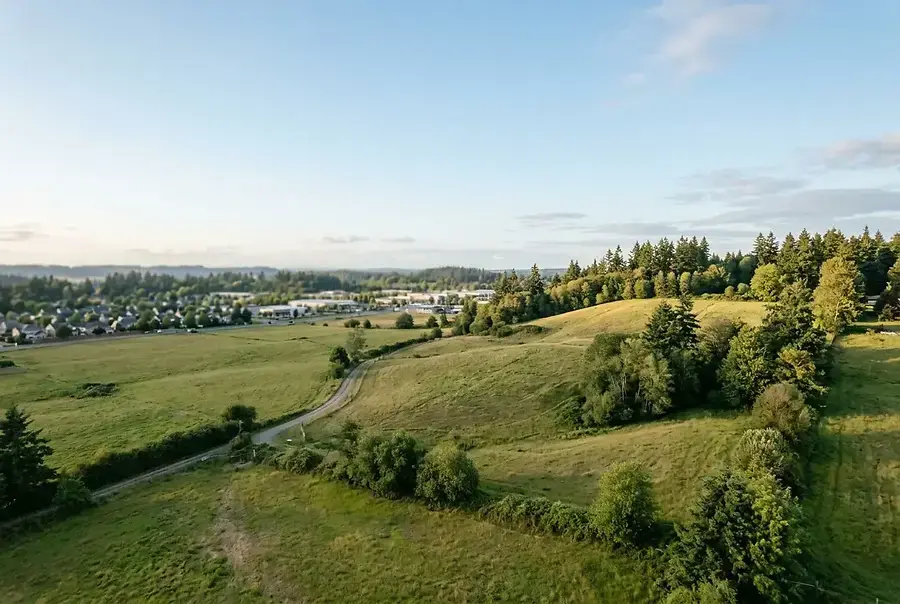
Understanding Vacant Land as a Residential Investment Strategy
Vacant land represents one of the most underutilized yet powerful investment vehicles for building long-term residential wealth. Unlike traditional real estate investments that come with existing structures, maintenance costs, and tenant management, raw land offers a unique opportunity for investors seeking appreciation without the complexities of property management.
The South Sound region—encompassing Pierce, King, Thurston, and Lewis counties—has emerged as a prime location for land investors. This area combines suburban growth potential with rural development opportunities, creating diverse investment scenarios for different investor profiles. Whether you're looking for land near expanding urban centers or seeking rural acreage with future development potential, the South Sound offers compelling options.
Why Land Investment Makes Sense
Land investments provide several distinct advantages for residential investors:
- Minimal maintenance costs: Unlike properties with structures, vacant land requires no repairs, utilities, or ongoing upkeep
- Appreciation potential: As communities develop and infrastructure expands, land values typically increase significantly
- Flexibility: Land can be held for future development, leased for agricultural use, or sold when market conditions are favorable
- Lower competition: Many residential investors overlook land, creating less competitive markets
- Tax advantages: Certain land holdings may qualify for agricultural exemptions or other tax benefits
The South Sound region's steady population growth and infrastructure development make it particularly attractive for land investors seeking reliable appreciation over time.
Evaluating Land Potential: Location, Zoning, and Development Readiness
Not all vacant land is created equal. Successful land investors understand that location, zoning classification, and development readiness are critical factors that determine investment success.
Location Analysis
The best land investments align with regional growth patterns. In the South Sound, proximity to employment centers, schools, and transportation corridors significantly impacts future value. Consider lands near:
- Expanding suburban developments
- Major highway corridors and transit routes
- Planned commercial or industrial zones
- Growing residential communities
Pierce County's continued expansion toward the south, King County's suburban growth patterns, and Thurston County's development around the capital region all present distinct opportunities based on your investment timeline and goals.
Zoning and Development Readiness
Understanding zoning is essential before purchasing any vacant land. Zoning determines what can be built on the property and directly impacts its future value. Key zoning categories include:
- Residential zoning: Allows single-family homes, multi-family units, or both
- Commercial zoning: Permits retail, office, or service businesses
- Agricultural zoning: Restricted to farming and related activities
- Mixed-use zoning: Allows combination of residential, commercial, and office uses
Beyond zoning, evaluate development readiness by checking for utilities availability, road access, environmental clearances, and proximity to infrastructure. Land with existing utilities and clear access roads commands premium prices but offers faster development potential.
Due Diligence Checklist
Before committing to any land purchase, conduct thorough due diligence:
- Verify property boundaries and survey accuracy
- Review environmental reports and soil conditions
- Check for easements, liens, or title issues
- Research local development plans and zoning changes
- Assess flood zones and natural hazard risks
- Confirm utility availability and connection costs
Financing and Legal Considerations for Land Purchases
Financing vacant land differs significantly from traditional home mortgages, requiring investors to understand unique financing options and legal frameworks.
Financing Options for Land
Traditional banks often view raw land as higher-risk investments, making financing more challenging than residential property loans. However, several financing avenues exist:
- Seller financing: The property owner finances the purchase, often with more flexible terms than banks
- Land-specific lenders: Specialized lenders focus exclusively on raw land purchases
- Portfolio lenders: Local and regional banks that keep loans in-house rather than selling them
- Cash purchases: Paying in full eliminates financing complications and strengthens negotiating position
- Construction loans: If development is planned, construction financing may be available
Down payments for land typically range from 20-50%, significantly higher than residential mortgages. Interest rates also tend to be higher, reflecting the perceived risk.
Legal Considerations
Land ownership involves specific legal considerations that protect your investment:
- Title insurance: Protects against ownership disputes and hidden liens
- Property surveys: Confirm exact boundaries and identify encroachments
- Easements and rights-of-way: Understand restrictions on land use
- Deed recording: Ensure proper documentation with county records
- Tax implications: Understand property tax assessments and potential exemptions
Working with a real estate attorney familiar with South Sound county regulations ensures your purchase protects your investment and complies with local requirements.
Building Your Long-Term Land Investment Portfolio
Strategic land investing requires a thoughtful approach to portfolio development and long-term wealth building.
Diversification Strategy
Rather than concentrating investments in a single property or county, consider diversifying across the South Sound region. Different areas offer distinct advantages:
- Pierce County: Strong suburban growth and industrial development
- King County: Proximity to Seattle's economic influence and established infrastructure
- Thurston County: Capital region stability and government employment
- Lewis County: Rural development potential and lower entry costs
Timeline and Exit Strategy
Successful land investors establish clear timelines and exit strategies. Consider whether you're holding for:
- Short-term appreciation: 3-5 years, capitalizing on market cycles
- Medium-term development: 5-10 years, allowing infrastructure development
- Long-term wealth building: 10+ years, maximizing appreciation potential
Your exit strategy might involve selling to developers, subdividing for residential sales, or leasing for agricultural use. Having a clear plan helps guide purchasing decisions and portfolio management.
Ongoing Management
Even passive land investments require ongoing attention. Monitor local development plans, zoning changes, and infrastructure projects that could impact your holdings. Stay informed about market conditions and be prepared to adjust your strategy as the South Sound region continues to evolve.
Vacant land investment in the South Sound region offers residential investors a compelling path to long-term wealth building. By understanding location dynamics, navigating financing options, and developing a strategic portfolio approach, investors can capitalize on the region's growth while minimizing the complexities of traditional property management. The key to success lies in thorough due diligence, strategic planning, and a commitment to long-term value creation.


