Virginia Beach Home Inspections: What Every Buyer Should Know Before Closing
Discover the critical inspection points that protect your investment and reveal hidden issues before closing.

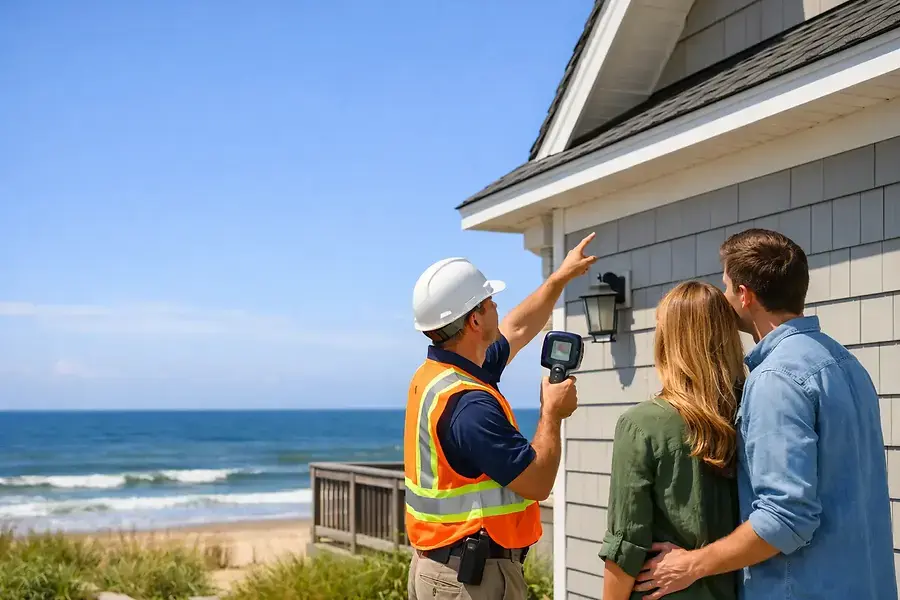
Why Home Inspections Matter in Virginia Beach
Purchasing a home is one of the most significant financial decisions you'll make in your lifetime. In Virginia Beach, where coastal properties face unique environmental challenges, a professional home inspection is not just recommended—it's essential. A thorough inspection can uncover hidden defects, structural issues, and maintenance problems that could cost thousands of dollars to repair after closing.
Home inspections serve as your protection against unforeseen expenses and safety hazards. They provide you with detailed information about the property's condition, allowing you to negotiate repairs, request credits, or make an informed decision about whether to proceed with the purchase. In Virginia Beach's competitive real estate market, having this knowledge gives you a significant advantage.
Key Areas Inspectors Examine in Coastal Properties
Foundation and Structural Integrity
Virginia Beach's coastal location means homes are susceptible to moisture-related issues and foundation problems. Inspectors carefully examine the foundation for cracks, settling, and water damage. They look for signs of structural movement that could indicate serious problems requiring immediate attention. Coastal properties are particularly vulnerable to salt spray corrosion and moisture intrusion, making this inspection point critical.
Roofing and Weather Protection
The roof is your home's first line of defense against Virginia Beach's weather patterns, including hurricanes and nor'easters. Inspectors assess:
- Shingle condition and remaining lifespan
- Flashing integrity around chimneys and vents
- Gutter functionality and drainage
- Signs of water damage or leaks in the attic
A compromised roof can lead to expensive water damage, so this inspection area deserves careful attention.
HVAC Systems and Climate Control
Heating, ventilation, and air conditioning systems work overtime in Virginia Beach's humid climate. Inspectors evaluate the age, efficiency, and functionality of your HVAC system. They check for proper maintenance records and assess whether the system is adequately sized for your home. A failing HVAC system can cost $5,000 to $15,000 to replace, making this inspection crucial.
Plumbing and Water Systems
Water-related issues are among the most common and costly problems found during home inspections. Inspectors examine:
- Water pressure and flow rates
- Pipe material and condition (galvanized, copper, PVC)
- Signs of leaks or water damage
- Water heater age and functionality
- Septic system condition (if applicable)
Coastal properties may have additional concerns related to salt water intrusion and corrosion of metal pipes.
Electrical Systems
A safe electrical system is fundamental to your home's functionality and safety. Inspectors verify that your electrical panel is properly grounded, check for outdated wiring, and ensure outlets are properly installed. They look for signs of overloaded circuits and verify that the system meets current safety codes. Electrical issues can pose serious fire hazards, making this inspection area non-negotiable.
Moisture and Mold Concerns
Virginia Beach's humid climate creates ideal conditions for mold growth and moisture accumulation. Inspectors use moisture meters to detect hidden water problems in walls, crawl spaces, and basements. They identify areas prone to condensation and assess ventilation adequacy. Early detection of moisture issues can prevent expensive remediation later.
Exterior and Grading
The exterior of your home protects the interior from the elements. Inspectors examine siding, windows, doors, decks, and grading around the foundation. Proper grading ensures water drains away from your home rather than pooling near the foundation. In coastal areas, they also assess the condition of any seawalls or erosion control measures.
Understanding Your Inspection Report and Next Steps
Decoding the Report
Your inspection report will categorize findings into different severity levels. Critical items require immediate attention and may affect your decision to purchase. Major items should be addressed soon to prevent further damage. Minor items are typically maintenance issues that can be scheduled for future repair.
A comprehensive report includes photographs, detailed descriptions of issues, and recommendations for repairs or further evaluation by specialists.
Negotiating Repairs and Credits
Once you receive your inspection report, you have several options:
- Request the seller make repairs before closing
- Ask for a credit toward closing costs to handle repairs yourself
- Negotiate a price reduction based on the inspection findings
- Walk away from the deal if issues are too significant
Your real estate agent and inspector can help you prioritize which items to address based on cost and safety implications.
Scheduling Follow-Up Inspections
For significant issues identified during the general inspection, you may want to hire specialists. Common follow-up inspections include:
- Mold testing and assessment
- Radon testing
- Termite and pest inspection
- Septic system evaluation
- Roof specialist assessment
These specialized inspections provide detailed information about specific concerns and help you make informed decisions.
Making Informed Decisions with Inspection Insights
A home inspection is an investment in your peace of mind and financial security. The inspection fee—typically $300 to $500—is minimal compared to the potential cost of undiscovered problems. Use your inspection report as a tool to understand your new home's condition and plan for future maintenance.
Remember: A home inspection is not a pass-or-fail evaluation. Rather, it's a detailed snapshot of your property's current condition that empowers you to make informed decisions.
In Virginia Beach's dynamic real estate market, buyers who invest in thorough inspections are better positioned to protect their investments and avoid costly surprises after closing. Whether you're purchasing a historic property, a modern coastal home, or something in between, a professional home inspection is an essential step in the buying process.
Take the time to review your inspection report carefully, ask your inspector questions, and work with your real estate agent to address any concerns before you sign the final papers. Your future self will thank you for the diligence you invest today.