Waldorf Home Inspections: Your Complete Guide to Closing Confidently
Learn what professional inspectors look for and how to use inspection results to protect your investment.

Understanding the Home Inspection Process and Timeline
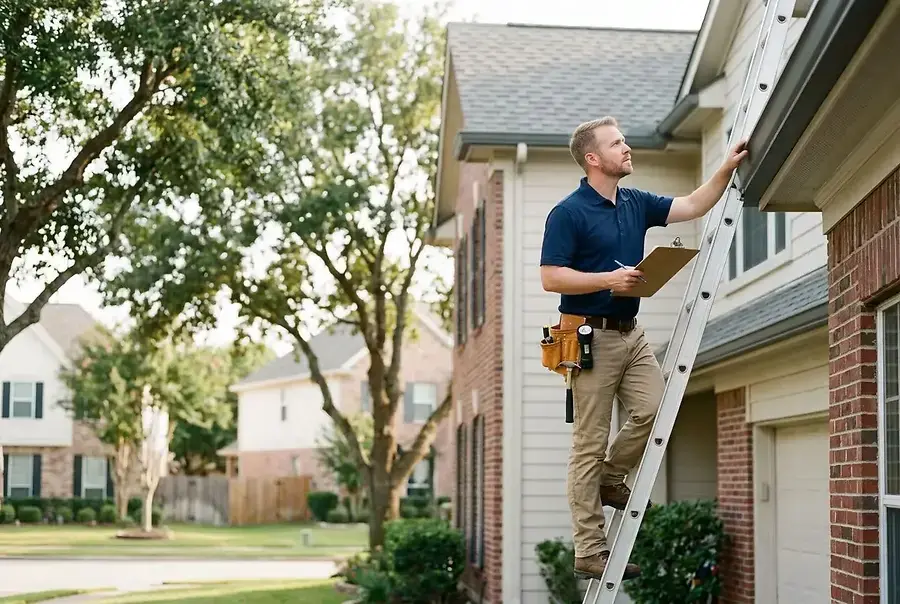
A professional home inspection is one of the most critical steps in the home buying process. This thorough evaluation typically takes 2-4 hours and involves a certified inspector examining the property's structural integrity, systems, and overall condition. Understanding what to expect during this process can help you feel more prepared and confident.
The inspection timeline usually begins shortly after your offer is accepted. Most purchase agreements include a contingency period—typically 7-10 days—during which you can have the inspection completed. It's advisable to schedule your inspection as early as possible within this window, giving you adequate time to review results and make informed decisions.
What Happens During the Inspection
During the inspection, the professional will systematically evaluate every accessible area of the home. You're encouraged to walk through the property with the inspector, asking questions and taking notes. This hands-on approach helps you understand the home's condition and learn about maintenance requirements. The inspector will document findings with photographs and detailed notes that become part of your formal report.
Preparing for Your Inspection Day
Before the inspector arrives, ensure all areas are accessible—unlock doors, clear attics, and provide access to the basement or crawl space. Make sure utilities are on so the inspector can test systems. Having the seller present is optional but can be helpful for answering questions about past repairs or maintenance history.
Critical Areas Inspectors Evaluate in Waldorf Properties
Professional inspectors follow a comprehensive checklist when evaluating Waldorf homes. Understanding these critical areas helps you recognize what's normal wear and tear versus significant concerns.
Structural Components and Foundation
Inspectors carefully examine the foundation for cracks, settling, or water damage—issues that can be costly to repair. They also assess the structural integrity of walls, beams, and support systems. In Waldorf's climate, foundation issues related to soil movement and moisture are particularly important to evaluate.
Roofing and Exterior
The roof is one of your home's most expensive components. Inspectors check for:
- Shingle condition and remaining lifespan
- Flashing integrity around chimneys and vents
- Proper drainage and gutter function
- Signs of leaks or water damage
- Exterior siding, windows, and doors condition
Plumbing and Water Systems
A thorough inspection includes testing water pressure, checking for leaks, and evaluating the water heater's age and condition. Inspectors also assess the main water line, drainage systems, and look for signs of previous water damage or mold growth.
Electrical Systems
Inspectors verify that the electrical panel is properly sized, check for outdated wiring, and ensure outlets and switches function correctly. They'll identify any safety concerns like improper grounding or overloaded circuits that could pose fire hazards.
HVAC and Climate Control
The heating, ventilation, and air conditioning systems are tested for proper operation. Inspectors note the age of equipment, efficiency ratings, and any maintenance needs. This is crucial for budgeting future replacement costs.
Interior Conditions
Beyond major systems, inspectors evaluate:
- Insulation levels and ventilation
- Flooring condition and potential hazards
- Paint and wall conditions
- Presence of asbestos, lead paint, or mold
- Appliance functionality
Reading and Responding to Your Inspection Report
Your inspection report will be detailed and comprehensive. Learning to interpret it properly is essential for making informed decisions about your purchase.
Understanding Report Categories
Most inspectors categorize findings as major concerns, minor issues, or maintenance recommendations. Major concerns require immediate attention and may significantly impact the home's value or safety. Minor issues are typically cosmetic or involve routine maintenance. Understanding these distinctions helps you prioritize what matters most.
Distinguishing Between Deal-Breakers and Negotiable Items
Not every finding requires renegotiation. Structural damage, electrical hazards, and major system failures are typically deal-breakers that warrant serious consideration. Cosmetic issues, minor repairs, and routine maintenance are usually negotiable. Consider the cost of repairs and whether they align with your budget and timeline.
Getting a Second Opinion
For significant findings, don't hesitate to hire a specialist. If the inspector notes roof concerns, hire a roofing contractor. For electrical issues, consult a licensed electrician. These specialists can provide detailed assessments and repair estimates, giving you concrete numbers for negotiations.
Using Inspection Findings to Negotiate and Move Forward
Armed with your inspection report, you now have leverage in negotiations. Here's how to use these findings strategically.
Preparing Your Renegotiation Request
Based on your inspection, you have several options: request repairs before closing, ask for a credit toward closing costs, or request a price reduction. Most sellers prefer credits or price reductions over making repairs themselves. Prepare a list of items with estimated repair costs from contractors to support your requests.
Negotiating Strategically
Focus on significant issues that affect safety, functionality, or long-term value. Avoid nickel-and-diming over minor cosmetic issues—this approach often derails deals. Present your requests professionally with supporting documentation, and be prepared to compromise. Remember, the goal is reaching a mutually acceptable agreement.
Making Your Final Decision
After negotiations conclude, you must decide whether to proceed with the purchase. Consider the home's overall condition, the seller's willingness to address concerns, and your comfort level with any remaining issues. Trust your instincts and your inspector's professional assessment. If major concerns remain unresolved and you're uncomfortable, you may have the right to walk away depending on your contract terms.
Moving Forward with Confidence
Once you've addressed inspection concerns through negotiation or accepted the home's condition, you can move toward closing with confidence. Schedule a final walk-through to verify that agreed-upon repairs were completed satisfactorily. Keep your inspection report for future reference—it's valuable documentation for insurance, warranty claims, and future maintenance planning.
A professional home inspection is your best defense against unexpected surprises after closing. By understanding the process, knowing what inspectors evaluate, and using findings strategically, you protect your investment and ensure you're making an informed decision about one of life's largest purchases.


