Walkability & Urban Lifestyle in LA's Trendiest Neighborhoods
Discover how proximity to amenities, transit access, and vibrant community culture are reshaping residential real estate values across Los Angeles's most desirable areas.

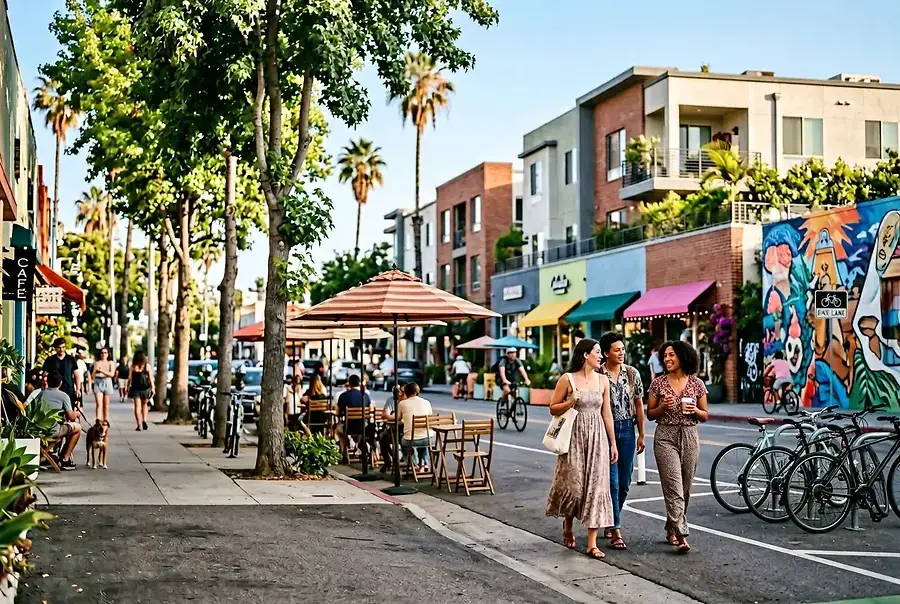
What Makes a Neighborhood Walkable: Key Factors That Attract Homebuyers
Walkability has become one of the most sought-after features in modern urban real estate. Today's homebuyers are increasingly prioritizing neighborhoods where they can accomplish daily tasks on foot, reducing dependence on cars and embracing a more connected lifestyle. But what exactly defines a walkable neighborhood?
Essential Walkability Components
A truly walkable neighborhood combines several critical elements that work together to create an attractive urban environment. Proximity to amenities stands at the forefront—grocery stores, restaurants, coffee shops, gyms, and entertainment venues should be within a 10-15 minute walk. Public transportation access is equally vital, with reliable bus routes, metro stations, and bike-sharing programs reducing the need for personal vehicles.
Beyond infrastructure, pedestrian-friendly design matters tremendously. Wide sidewalks, safe crossings, well-lit streets, and minimal traffic congestion create an inviting atmosphere for walkers. Additionally, mixed-use development—where residential, commercial, and recreational spaces coexist—fosters vibrant neighborhoods where people naturally interact and build community connections.
The Community Culture Factor
Walkability isn't just about physical infrastructure; it's about the feeling of a neighborhood. Vibrant street life, local businesses, parks, and gathering spaces create the social fabric that makes people want to spend time outside their homes. Neighborhoods with strong community culture attract residents who value experiences over isolation, making these areas increasingly desirable in the competitive LA real estate market.
Top LA Neighborhoods for Urban Living: From Hollywood to Silver Lake
Los Angeles offers several neighborhoods that exemplify the walkability trend, each with its own distinct character and appeal.
Hollywood
Hollywood remains an iconic destination for those seeking urban energy and entertainment proximity. The neighborhood boasts excellent walkability with the Hollywood Walk of Fame, numerous restaurants, boutiques, and cultural venues within easy reach. The Hollywood/Highland Metro Station provides convenient transit access, making it ideal for those who want to minimize car usage while enjoying world-class entertainment and dining options.
Silver Lake
Silver Lake has emerged as a creative hub attracting artists, young professionals, and families. The neighborhood features independent coffee shops, vintage stores, art galleries, and trendy restaurants clustered around Sunset Boulevard and Silver Lake Boulevard. Its compact layout and pedestrian-friendly streets make it exceptionally walkable, while the nearby Silver Lake Reservoir offers recreational opportunities that enhance the neighborhood's appeal.
Los Feliz
Los Feliz combines bohemian charm with excellent walkability. Residents enjoy easy access to Griffith Park—one of LA's largest urban parks—along with a thriving local business scene centered on Vermont Avenue. The neighborhood's tree-lined streets, vintage architecture, and community-oriented vibe create an inviting atmosphere that appeals to those seeking authentic urban living.
Downtown LA
Downtown LA has undergone significant revitalization, transforming into a vibrant urban core. The neighborhood offers unparalleled transit access through the Metro system, walkable streets lined with galleries, restaurants, and shops, and a growing residential population. For those prioritizing public transportation and urban convenience, Downtown LA represents the pinnacle of LA walkability.
West Hollywood
West Hollywood combines upscale living with excellent walkability. Sunset Boulevard, Santa Monica Boulevard, and the surrounding streets feature world-class restaurants, boutiques, and entertainment venues. The neighborhood's compact geography and pedestrian infrastructure make it easy to navigate on foot while enjoying a sophisticated urban lifestyle.
How Walkability Impacts Property Values and Long-Term Investment Potential
The relationship between walkability and property values has become increasingly pronounced in the LA real estate market. Walkable neighborhoods consistently command premium prices, with properties appreciating faster than those in car-dependent areas.
Investment Advantages
Several factors explain this trend:
- Demand Sustainability: As environmental consciousness grows and traffic congestion worsens, demand for walkable neighborhoods continues to increase, supporting long-term property value appreciation.
- Lifestyle Appeal: Walkable neighborhoods attract younger demographics and urban professionals willing to pay premium prices for convenience and lifestyle quality.
- Reduced Transportation Costs: Residents in walkable areas spend less on vehicle maintenance, gas, and parking, freeing up income for housing expenses and supporting higher property values.
- Rental Income Potential: Properties in walkable neighborhoods attract quality tenants and command higher rental rates, making them attractive investment vehicles.
- Future-Proofing: As LA continues developing transit infrastructure and prioritizing walkability, these neighborhoods are positioned for sustained growth.
Market Performance
Data consistently shows that properties in highly walkable neighborhoods outperform those in sprawling, car-dependent areas. This trend is expected to accelerate as younger generations prioritize urban living and sustainability becomes increasingly important to homebuyers and investors alike.
Finding Your Perfect LA Home: Matching Lifestyle Preferences to the Right Neighborhood
Choosing the right neighborhood requires honest assessment of your lifestyle priorities and preferences.
Key Questions to Consider
- How important is car-free living to you? Some neighborhoods offer near-complete walkability, while others require occasional vehicle use.
- What amenities matter most? Prioritize neighborhoods with easy access to your essential services and entertainment preferences.
- What's your budget? Walkable neighborhoods command premium prices; ensure your financial goals align with market realities.
- Do you value nightlife, cultural venues, or quiet parks? Different neighborhoods offer distinct community characters.
- How important is transit access? If you commute regularly, proximity to Metro stations may be crucial.
Making Your Decision
Visit potential neighborhoods at different times—mornings, evenings, and weekends—to experience their true character. Walk the streets, visit local businesses, and talk to residents. The best neighborhood isn't necessarily the trendiest; it's the one that aligns with your lifestyle and values.
Consider working with a real estate professional familiar with LA's neighborhoods who can provide insights into walkability metrics, future development plans, and investment potential. They can help you identify emerging neighborhoods with strong walkability fundamentals before they become mainstream.
The Future of LA Living
As Los Angeles continues evolving, walkability will remain a defining factor in residential real estate. Whether you're seeking investment opportunities or your ideal home, prioritizing walkable neighborhoods positions you to benefit from LA's urban transformation. The city's trendiest areas aren't just about prestige—they represent a fundamental shift toward sustainable, connected, and vibrant urban living that's reshaping how Angelenos live, work, and play.