Walkable Communities in East Bay: Where Urban Convenience Meets Suburban Life
Discover which East Bay towns offer the best pedestrian-friendly neighborhoods for families and professionals seeking convenience without sacrificing space.

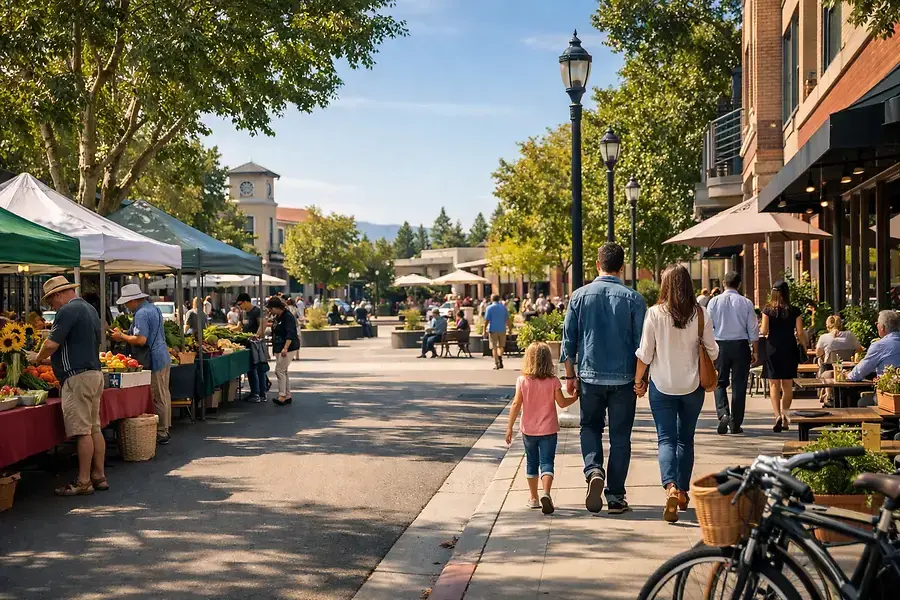
The Rise of Walkable Suburban Living in East Bay
The East Bay region has undergone a remarkable transformation in recent years, with communities increasingly prioritizing walkability alongside suburban living. Residents are discovering that they no longer need to choose between the convenience of urban neighborhoods and the spaciousness of suburban homes. This shift reflects a broader national trend where families and professionals seek communities that offer the best of both worlds: pedestrian-friendly streets, vibrant local businesses, and quality schools, all within reach on foot.
The appeal of walkable suburbs lies in their ability to reduce car dependency while maintaining the peaceful, family-oriented atmosphere that draws people to suburban living. East Bay communities have invested significantly in infrastructure improvements, including wider sidewalks, traffic-calming measures, and mixed-use developments that bring retail, dining, and entertainment options closer to residential areas.
Top Walkable East Bay Communities: From Walnut Creek to Pleasanton
Walnut Creek
Walnut Creek stands out as one of the East Bay's premier walkable communities. The downtown area features a charming pedestrian district with boutique shops, restaurants, and entertainment venues. The town has successfully created a vibrant core where residents can stroll from their homes to farmers markets, coffee shops, and cultural events. The surrounding neighborhoods offer tree-lined streets and excellent schools, making it an ideal choice for families seeking walkability without compromising on space.
Pleasanton
Pleasanton has earned recognition for its thoughtful urban planning and commitment to pedestrian accessibility. The downtown district offers a mix of local businesses, dining options, and public spaces perfect for evening walks. The town's investment in parks and recreational trails provides additional opportunities for outdoor activities. Pleasanton's neighborhoods are designed with connectivity in mind, allowing residents to access schools, shopping, and services on foot.
Lafayette
Lafayette combines small-town charm with impressive walkability. The downtown area centers around a picturesque plaza where residents gather for community events and shopping. The town's commitment to preserving green spaces while developing pedestrian-friendly infrastructure has created a unique environment where families can enjoy both nature and convenience.
Orinda
Orinda offers a more intimate walkable experience, with a charming downtown that serves as the community hub. The town's emphasis on maintaining its character while improving pedestrian access has resulted in a welcoming environment for both residents and visitors. Tree-lined streets and proximity to excellent schools make Orinda particularly attractive to families.
Benefits of Choosing a Walkable Neighborhood: Schools, Shopping, and Community
Access to Quality Schools
One of the primary advantages of walkable East Bay communities is proximity to excellent schools. Students can walk or bike to school safely, reducing traffic congestion and promoting healthy lifestyles. Many walkable neighborhoods have been specifically developed around school districts, ensuring that families have convenient access to quality education options.
Local Shopping and Dining
Walkable communities feature diverse retail and dining options within pedestrian distance. Rather than relying solely on large shopping centers, these neighborhoods support local businesses, farmers markets, and independent restaurants. This creates a vibrant local economy and allows residents to support community businesses while enjoying convenient access to goods and services.
- Boutique shops and galleries
- Farmers markets and fresh produce stands
- Independent restaurants and cafes
- Specialty retailers and local services
- Community gathering spaces
Strong Community Connections
Walkable neighborhoods naturally foster stronger community bonds. When residents encounter each other on sidewalks and in public spaces, they build relationships and create a sense of belonging. These communities often feature regular events and gatherings that bring neighbors together, from street festivals to farmers markets to outdoor concerts.
"Walkable communities create opportunities for spontaneous interactions that strengthen the social fabric of neighborhoods and make residents feel more connected to their surroundings."
Health and Wellness Benefits
Living in a walkable community encourages physical activity as part of daily life. Residents who can walk to shops, schools, and services naturally incorporate more movement into their routines. This leads to improved cardiovascular health, reduced obesity rates, and better overall wellness outcomes for families and individuals.
Environmental Advantages
Reduced car dependency means lower carbon emissions and improved air quality. Walkable communities contribute to environmental sustainability by decreasing traffic congestion and promoting cleaner transportation methods. This benefit extends to the entire region, as fewer vehicles on the road means less pollution for everyone.
Finding Your Perfect Balance of Walkability and Space
Choosing the right East Bay community requires considering your family's specific needs and lifestyle preferences. Consider these factors when evaluating walkable neighborhoods:
- Proximity to your workplace or commute options
- Quality and accessibility of local schools
- Availability of parks and recreational facilities
- Diversity of shopping and dining options
- Community events and cultural activities
- Property sizes and housing styles available
- Traffic patterns and pedestrian safety measures
The East Bay's walkable communities offer something for everyone. Whether you're a young professional seeking urban convenience or a family prioritizing both walkability and space, these neighborhoods deliver on the promise of suburban living enhanced by pedestrian-friendly design. By choosing a walkable community, you're investing not just in a home, but in a lifestyle that values health, community, and sustainability.
The rise of walkable suburban living in the East Bay represents a thoughtful evolution in how we design and inhabit our communities. These towns prove that you don't have to sacrifice space for convenience or compromise on community for accessibility. Instead, they offer a balanced approach to modern living that appeals to a diverse range of residents seeking the best of both suburban and urban lifestyles.