Walkable Neighborhoods and Home Values Across Metro Detroit's North Suburbs
Explore which pedestrian-friendly communities in Royal Oak, Ferndale, and Birmingham deliver the strongest property appreciation and lifestyle benefits.

Introduction: The Growing Demand for Walkable Suburban Living
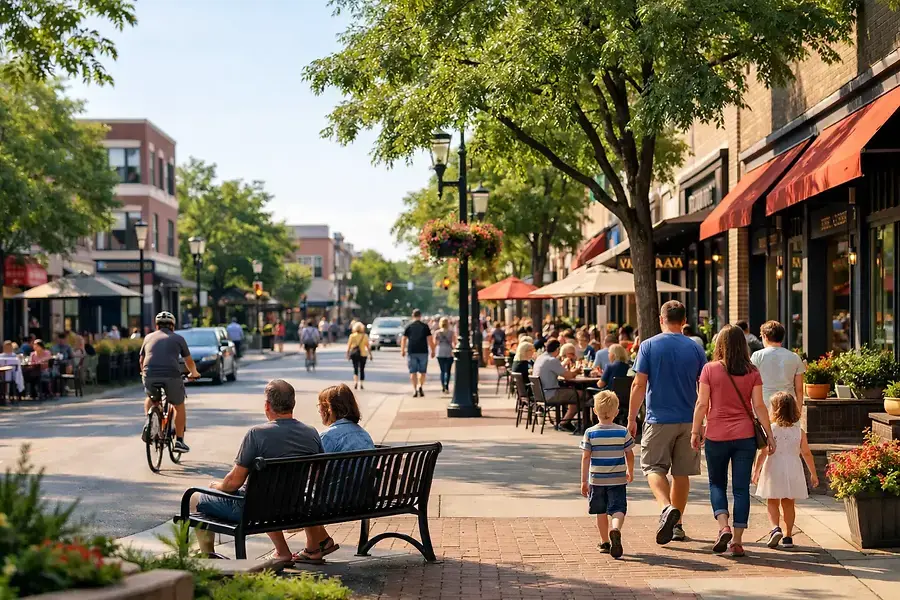
The suburban landscape is undergoing a significant transformation. Today's homebuyers are increasingly prioritizing walkability and access to amenities over sprawling lots and car-dependent lifestyles. In Metro Detroit's north suburbs, this shift has created a compelling opportunity for both investors and families seeking communities where they can walk to shops, restaurants, parks, and services.
Royal Oak, Ferndale, and Birmingham have emerged as the region's premier destinations for pedestrian-friendly living. These communities recognize that walkability isn't just a lifestyle preference—it's a powerful driver of property values and long-term investment returns. As more people embrace the benefits of accessible, vibrant neighborhoods, understanding which communities deliver the strongest combination of walkability and appreciation becomes essential.
Walkability Scores and Property Values: Comparing Nine North Metro Detroit Communities
Understanding Walkability Metrics
Walkability scores measure how easily residents can access essential services on foot. These scores evaluate proximity to grocery stores, restaurants, shopping, coffee shops, banks, parks, schools, and libraries. Communities scoring above 70 are considered "very walkable," while scores above 90 represent "walker's paradise" status.
Royal Oak: The Walkability Leader
Royal Oak consistently ranks among Michigan's most walkable communities, with downtown scores exceeding 85. The city's grid-based street layout, mixed-use development, and robust public spaces create an environment where residents can accomplish daily tasks on foot. This exceptional walkability correlates directly with property values, with homes in walkable downtown areas commanding premiums of 15-25% compared to suburban periphery properties.
Key advantages:
- Vibrant downtown with restaurants, galleries, and entertainment venues
- Excellent public transportation connections
- Strong school district reputation
- Consistent year-over-year property appreciation
Ferndale: Emerging Walkability Star
Ferndale has rapidly transformed into a walkable destination, with downtown scores reaching 80+. The community's revitalization efforts have attracted young professionals and families seeking authentic, accessible neighborhoods. Property values in Ferndale's walkable core have appreciated significantly, with some neighborhoods experiencing double-digit annual growth.
Investment highlights:
- Lower entry prices compared to Royal Oak
- Thriving arts and culture scene
- Diverse dining and retail options
- Strong community engagement and local events
Birmingham: Upscale Walkability
Birmingham combines walkability with upscale amenities, offering a more refined suburban experience. The downtown area features a walkability score of 78, with premium shopping, fine dining, and cultural institutions. Properties in Birmingham's walkable neighborhoods command the highest prices in the region, reflecting both walkability and prestige.
Premium features:
- High-end retail and dining establishments
- Excellent schools and educational institutions
- Well-maintained public spaces and parks
- Strong property value stability and appreciation
The Walkability-Value Connection
Research consistently demonstrates that walkable neighborhoods outperform car-dependent areas in property appreciation. Homes within a quarter-mile of walkable downtown areas typically appreciate 5-10% faster than suburban periphery properties. This premium reflects both current demand and the long-term desirability of accessible communities.
Lifestyle Benefits: How Proximity to Amenities Influences Home Desirability
Health and Wellness Advantages
Walkable neighborhoods promote active lifestyles. Residents in pedestrian-friendly communities walk an average of 35% more than suburban counterparts, leading to improved cardiovascular health and lower obesity rates. This health premium translates into increased demand and property values, as health-conscious buyers recognize the lifestyle benefits.
Social Connection and Community Engagement
Walkable neighborhoods foster genuine community connections. When residents encounter neighbors regularly on sidewalks and in public spaces, social bonds strengthen. This sense of community creates desirable living environments where families feel connected and engaged. Properties in high-community-engagement neighborhoods consistently outperform isolated suburban properties.
Economic Accessibility and Convenience
Walkability reduces transportation costs. Residents in walkable communities spend less on vehicle maintenance, fuel, and insurance. This economic advantage appeals to budget-conscious buyers and families, expanding the pool of potential purchasers and supporting property values.
Environmental Consciousness
Environmentally aware buyers increasingly seek walkable neighborhoods to reduce their carbon footprint. This demographic—typically younger, educated, and affluent—represents a growing market segment willing to pay premiums for sustainable living options. Communities that embrace walkability attract this valuable buyer demographic.
Retail and Dining Vitality
Walkable neighborhoods support thriving local businesses. When residents can access restaurants, shops, and services on foot, these establishments thrive. This commercial vitality creates vibrant streetscapes that enhance neighborhood appeal and property desirability. Homes near successful retail corridors consistently appreciate faster than isolated properties.
Conclusion: Choosing a Walkable Neighborhood That Matches Your Investment Goals
The evidence is clear: walkable neighborhoods in Metro Detroit's north suburbs deliver superior property appreciation and lifestyle benefits. Whether you prioritize investment returns, community engagement, or daily convenience, Royal Oak, Ferndale, and Birmingham offer compelling options.
For investors seeking maximum appreciation: Ferndale offers the strongest growth potential with lower entry prices and rapid revitalization momentum.
For families valuing stability and prestige: Birmingham provides upscale walkability with excellent schools and established community infrastructure.
For those seeking established walkability: Royal Oak delivers proven property appreciation, vibrant downtown amenities, and strong long-term value.
As suburban preferences continue evolving toward walkable, connected communities, these north metro neighborhoods position themselves as the region's premier destinations. By choosing a walkable neighborhood aligned with your goals, you're not just purchasing a home—you're investing in a lifestyle that appreciates in value year after year.


