Walkable Neighborhoods in Chapel Hill, Durham, and Carrboro: A Buyer's Guide
Discover the most pedestrian-friendly communities where you can live, work, and play without relying on a car.

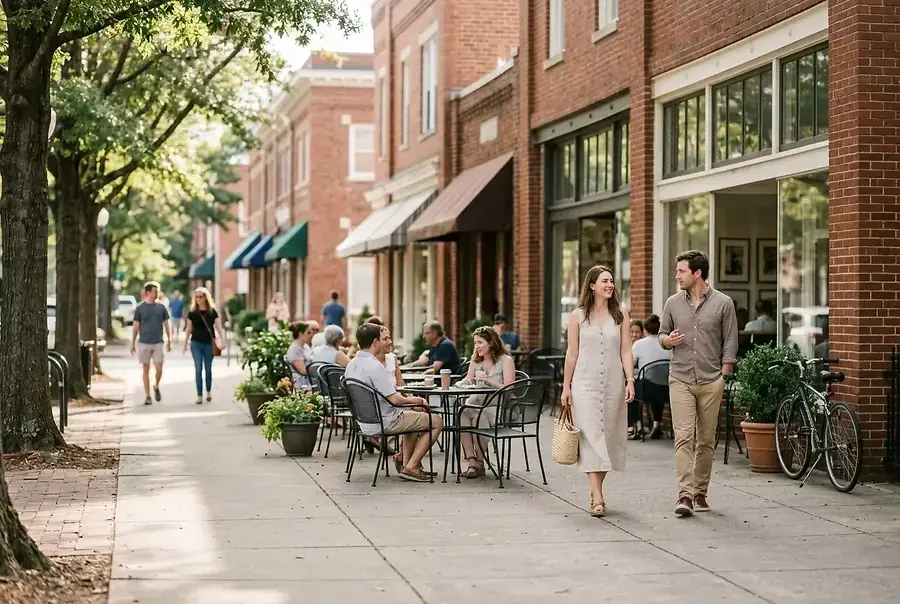
Why Walkability Matters: Health, Lifestyle, and Home Values in the Triangle
Walkability has become one of the most sought-after features in residential neighborhoods across the Triangle. Beyond the convenience of running errands on foot, pedestrian-friendly communities offer significant benefits that extend far beyond simple transportation.
Health Benefits: Living in a walkable neighborhood naturally encourages daily physical activity. Residents who can walk to shops, restaurants, and services accumulate thousands of additional steps each week, contributing to better cardiovascular health and lower obesity rates. Studies consistently show that people in walkable communities are more active and healthier overall.
Lifestyle Advantages: Walkable neighborhoods foster stronger community connections. When people interact on sidewalks and in public spaces, they build relationships with neighbors and local business owners. This creates vibrant, engaged communities where residents feel a genuine sense of belonging.
Property Values: Homes in walkable neighborhoods command premium prices. Real estate data shows that properties in pedestrian-friendly areas appreciate faster and maintain their value better during market fluctuations. Buyers are willing to pay more for the convenience and lifestyle benefits that walkability provides.
Top Walkable Neighborhoods: Detailed Profiles of Chapel Hill, Durham, and Carrboro's Best Streets
Chapel Hill's Premier Walkable Areas
Downtown Chapel Hill and Franklin Street: This historic district remains the heart of Chapel Hill's walkability. Tree-lined streets, independent shops, restaurants, and cultural venues create an energetic atmosphere. The proximity to UNC campus adds vitality, and residents enjoy easy access to parks, libraries, and entertainment.
Southern Village: This mixed-use development offers a modern take on walkable living. With apartments, townhomes, and single-family homes surrounding a central green space, Southern Village provides shopping, dining, and entertainment within a compact, pedestrian-friendly layout.
Durham's Emerging Walkable Communities
Downtown Durham: Once overlooked, downtown Durham has undergone a remarkable transformation. The American Tobacco Campus, Brightleaf Square, and surrounding neighborhoods now feature restored historic buildings, trendy restaurants, galleries, and apartments. This revitalized district attracts young professionals and families seeking urban walkability.
Old West Durham: This charming neighborhood combines historic character with modern amenities. Tree-lined streets, local shops, and proximity to Duke University create a college-town atmosphere. The neighborhood's walkable scale makes it ideal for those seeking community without sacrificing convenience.
Trinity Park: Located near downtown, Trinity Park offers a quieter walkable experience. Historic homes, tree-canopied streets, and easy access to local businesses and parks make this neighborhood attractive to families and professionals alike.
Carrboro's Pedestrian-Friendly Charm
Downtown Carrboro: This small-town gem prioritizes pedestrians over cars. The downtown area features local restaurants, independent bookstores, music venues, and shops within easy walking distance. The community's commitment to preserving its unique character makes it a favorite among those seeking authentic, walkable living.
Greensgate: This newer development combines walkability with modern design. Mixed-income housing, green spaces, and local businesses create an inclusive community where residents can meet most daily needs on foot.
What to Look for When Evaluating a Home in a Walkable Community
Key Walkability Metrics
When evaluating a home in a walkable neighborhood, consider these important factors:
- Walk Score: Use online tools to assess the neighborhood's walkability rating. Scores above 70 indicate very walkable areas where most errands can be accomplished on foot.
- Proximity to Amenities: Check distances to grocery stores, restaurants, pharmacies, parks, and public transportation. Ideally, these should be within a 10-15 minute walk.
- Sidewalk Quality: Examine sidewalk conditions, width, and continuity. Well-maintained, wide sidewalks with tree coverage create safer, more pleasant walking experiences.
- Traffic Patterns: Observe traffic volume and speed on neighborhood streets. Lower speeds and lighter traffic make neighborhoods more pedestrian-friendly.
- Street Lighting: Adequate lighting enhances safety and encourages evening walks and social interaction.
Community Features to Consider
Public Spaces: Look for parks, plazas, and gathering spaces where residents congregate. These areas indicate an active, engaged community.
Local Businesses: Independent shops, restaurants, and services create neighborhood character and reduce reliance on distant commercial centers.
Schools and Libraries: Proximity to quality schools and library branches adds value and convenience for families.
Public Transportation: Even in walkable neighborhoods, access to buses or other transit options provides flexibility for longer trips.
Making Your Move: Buying in a Walkable Triangle Neighborhood
Financial Considerations
Walkable neighborhoods typically command higher prices, but the long-term benefits often justify the investment. Consider the reduced transportation costs from owning fewer cars or using public transit. Factor in health benefits and improved quality of life when evaluating the overall value proposition.
Working with Local Real Estate Professionals
Partner with agents who specialize in walkable neighborhoods and understand the Triangle market. They can identify emerging walkable areas with growth potential and help you navigate the competitive market in established neighborhoods.
Timing Your Purchase
The Triangle's walkable neighborhoods remain in high demand. Act decisively when you find a property that meets your needs, as desirable homes sell quickly. However, don't rush into a purchase without thoroughly evaluating the neighborhood and property.
Future-Proofing Your Investment
Choose neighborhoods with strong community organizations and ongoing development plans. Areas with active neighborhood associations and municipal support for walkability improvements tend to appreciate steadily and maintain their desirability.
The Bottom Line: Walkable neighborhoods in Chapel Hill, Durham, and Carrboro offer more than just convenience—they provide a lifestyle that promotes health, builds community, and protects your investment. Whether you're drawn to historic downtown areas or newer mixed-use developments, the Triangle offers diverse walkable options for every preference and budget.


