Warehouse and Logistics Space: Finding Your Next LA County Lease
Navigate the competitive industrial real estate market in City of Industry and Los Angeles to secure the perfect warehouse or logistics facility for your business.

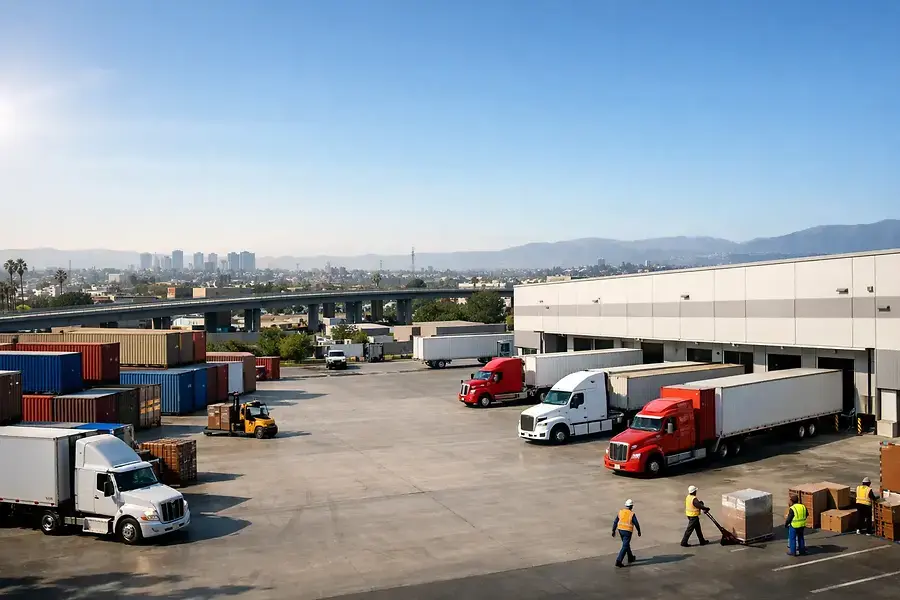
Why Location Matters in Industrial Real Estate
The industrial real estate market in Los Angeles County is one of the most dynamic and competitive in the nation. For businesses seeking warehouse and logistics space, location isn't just a detail—it's a strategic advantage that can make or break your operations. Whether you're a growing e-commerce company, a third-party logistics provider, or a manufacturing business, finding the right facility in the right location is critical to your success.
The City of Industry and surrounding areas in LA County offer unparalleled access to major transportation corridors, ports, and distribution networks. However, this desirability also means competition is fierce, and lease terms can vary dramatically. Understanding why location matters and how to evaluate your options is the first step toward securing a facility that supports your business goals.
Key Factors When Evaluating Warehouse and Logistics Properties in LA County
Proximity to Transportation Networks
One of the most critical factors in selecting a warehouse or logistics facility is its proximity to major transportation routes. LA County's strategic location near the Port of Los Angeles and Long Beach, combined with access to Interstate 10, Interstate 605, and Interstate 710, makes it an ideal hub for distribution and logistics operations.
Consider these transportation factors:
- Distance to major freeways and highways
- Accessibility to port facilities and rail yards
- Local traffic patterns and congestion during peak hours
- Proximity to your primary customer base or distribution areas
Facility Specifications and Infrastructure
Beyond location, the physical characteristics of the warehouse matter significantly. Evaluate the facility's specifications to ensure it meets your operational requirements and can accommodate future growth.
Key infrastructure considerations include:
- Ceiling height and column spacing for optimal storage capacity
- Loading dock configuration and number of doors
- Power supply capacity and electrical infrastructure
- HVAC systems and climate control capabilities
- Parking availability for employees and delivery vehicles
- Yard space for container storage or vehicle staging
Zoning and Regulatory Compliance
Industrial zoning in LA County varies by location, and regulatory requirements can impact your operations. Before committing to a lease, verify that the property is properly zoned for your intended use and that you can comply with all local, state, and federal regulations.
Pay special attention to environmental regulations, air quality standards, and any restrictions on operating hours or truck traffic. The City of Industry, for example, has specific regulations governing industrial operations that you must understand before leasing.
Lease Rate and Financial Terms
Warehouse lease rates in LA County fluctuate based on market conditions, location, and facility quality. Rates in prime locations like the City of Industry may be higher than in outlying areas, but the transportation advantages often justify the premium.
When evaluating lease rates, consider:
- Base rental rate per square foot
- Common area maintenance (CAM) charges
- Property taxes and insurance costs
- Utility expenses and who bears responsibility
- Escalation clauses and renewal options
How to Negotiate Favorable Lease Terms and Avoid Common Pitfalls
Work with an Industrial Real Estate Broker
Navigating the LA County industrial real estate market alone can be overwhelming. A knowledgeable broker with expertise in warehouse and logistics properties can provide invaluable insights into market conditions, comparable properties, and fair pricing. They can also represent your interests during negotiations and help you identify opportunities before they hit the open market.
Understand Your True Occupancy Costs
The advertised lease rate is only part of the story. Calculate your total occupancy cost by including CAM charges, property taxes, insurance, utilities, and any other expenses. This comprehensive view will help you compare properties accurately and avoid unpleasant surprises after signing the lease.
Pro Tip: Request a detailed breakdown of all charges and ask for historical data on how CAM charges have increased over time. This will help you budget more accurately for future years.
Negotiate Lease Length and Flexibility
While landlords prefer longer lease terms for stability, you should negotiate for flexibility that aligns with your business needs. Consider negotiating for:
- Shorter initial lease terms with renewal options
- Expansion rights if your business grows
- Early termination clauses with reasonable penalties
- Rent abatement periods during buildout or improvements
Conduct Thorough Due Diligence
Before signing any lease, conduct a comprehensive inspection of the property and verify all claims made by the landlord. Hire a qualified inspector to assess the facility's condition, structural integrity, and systems. Request environmental assessments if the property has a history of industrial use.
Additionally, research the neighborhood, speak with other tenants if possible, and verify that the landlord has clear title to the property and no outstanding liens or legal issues.
Common Pitfalls to Avoid
Don't overlook these common mistakes:
- Ignoring hidden costs: CAM charges, utilities, and maintenance can add 20-30% to your base rent
- Failing to plan for growth: Ensure the facility can accommodate your expansion plans
- Accepting unfavorable renewal terms: Negotiate renewal options upfront to avoid surprises
- Neglecting environmental due diligence: Contamination issues can create significant liability
- Signing without legal review: Always have an attorney review lease agreements before signing
Making Your Industrial Real Estate Decision with Confidence
Securing the right warehouse or logistics space in LA County requires careful planning, thorough research, and strategic negotiation. By understanding the key factors that impact your decision, working with experienced professionals, and avoiding common pitfalls, you can find a facility that supports your business operations and financial goals.
The competitive industrial real estate market in LA County offers excellent opportunities for businesses willing to invest time in the selection process. Whether you're looking for space in the City of Industry or elsewhere in the county, approach your search systematically, evaluate properties objectively, and negotiate confidently. With the right facility in place, you'll have a solid foundation for growth and success.
Remember, your warehouse or logistics facility is more than just a building—it's a critical component of your supply chain and operational efficiency. Take the time to get it right, and your business will benefit for years to come.


