Washington DC Home Renovations: Smart Budget Planning for Maximum ROI
Learn how strategic renovations can increase your property value while staying within budget in the DC market.

Why Renovations Matter in Washington DC's Competitive Real Estate Market
Washington DC's real estate market is one of the most competitive in the nation. With property values consistently rising and buyer expectations at an all-time high, strategic home renovations have become essential for homeowners looking to maximize their investment. Whether you're planning to sell in the near future or simply want to increase your home's value and livability, understanding how to renovate smartly is crucial.
The DC market rewards properties that combine modern amenities with the charm and character that many neighborhoods are known for. Buyers in this region are willing to pay a premium for homes that have been thoughtfully updated while maintaining their original appeal. This makes renovation planning particularly important—not all upgrades deliver the same return on investment.
The Current State of DC Real Estate
The Washington DC housing market continues to attract both local buyers and investors from across the country. Properties in desirable neighborhoods often sell quickly, and homes with recent, quality renovations command higher prices. Understanding this landscape helps you prioritize which projects will deliver the best results for your specific property and neighborhood.
Setting Your Renovation Budget and Identifying High-ROI Projects
Before swinging a hammer or calling a contractor, establish a realistic budget. A common rule of thumb is to spend no more than 10-15% of your home's current value on renovations. However, in DC's market, strategic investments in the right areas can justify higher spending.
High-ROI Renovation Projects
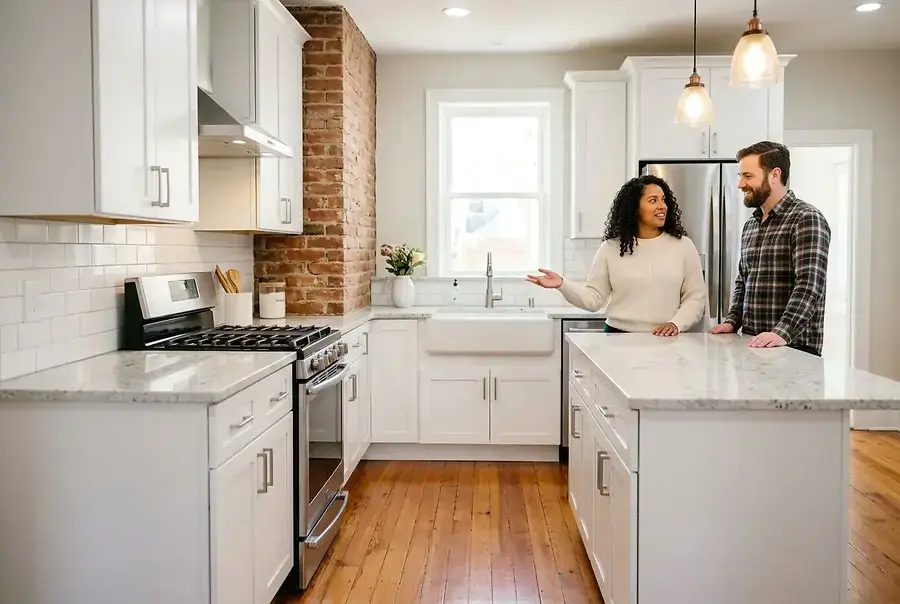
- Kitchen Remodels: Kitchen upgrades consistently deliver 50-60% ROI in the DC market. Focus on quality countertops, modern appliances, and improved layout rather than cosmetic changes alone.
- Bathroom Updates: A well-executed bathroom renovation can return 40-50% of your investment. Consider updated fixtures, better lighting, and modern tile work.
- Exterior Improvements: New roofing, siding, and landscaping enhance curb appeal and can return 70-80% of costs in DC neighborhoods.
- HVAC and Energy Efficiency: Upgrading to modern, efficient systems appeals to environmentally conscious DC buyers and reduces long-term utility costs.
- Basement Finishing: Converting unused basement space into a functional area can add significant square footage and value.
Projects to Approach Carefully
Not all renovations are created equal. Avoid over-personalizing your space with niche design choices that won't appeal to future buyers. Swimming pools, elaborate outdoor kitchens, and highly specialized rooms typically don't deliver strong ROI in the DC market. Instead, focus on improvements that enhance functionality and appeal to the broadest range of potential buyers.
Creating Your Budget Strategy
Start by getting multiple quotes from contractors for your planned projects. Set aside a contingency fund of 15-20% for unexpected issues—older DC homes often reveal surprises once work begins. Prioritize projects that address both aesthetic appeal and functional needs, such as updating outdated electrical systems while improving the kitchen's visual appeal.
Working with Contractors and Managing the Renovation Timeline
Finding the right contractor is as important as planning your budget. In a competitive market like DC, quality contractors are in high demand and may have longer timelines.
Selecting Your Contractor
- Check references and verify licenses with the DC Department of Consumer and Regulatory Affairs
- Get detailed written estimates from at least three contractors
- Ensure they carry proper insurance and bonding
- Ask about their experience with homes in your specific neighborhood
- Review their portfolio of completed projects
Managing the Timeline and Budget
Establish clear timelines and payment schedules in your contract. Never pay the full amount upfront—typically, contractors should receive 30-50% at the start, with remaining payments tied to project milestones. Regular communication is essential. Schedule weekly check-ins to discuss progress, address concerns, and make decisions about any necessary changes.
Document everything with photos and written notes. This protects both you and the contractor and helps resolve any disputes about work quality. Be prepared for the possibility that projects may take longer than initially estimated, especially if your home is older or if unexpected structural issues arise.
Permits and Compliance
DC has specific building codes and permit requirements. Always obtain necessary permits before beginning work. This may seem like an extra expense and hassle, but it protects your investment, ensures work meets safety standards, and prevents problems when you sell. Unpermitted work can significantly reduce your home's value and create liability issues.
Maximizing Your Investment Through Smart Home Improvements
The key to successful home renovations in Washington DC is balancing your personal preferences with market realities. While you want to enjoy your home, remember that renovations are ultimately an investment in your property's future value.
Strategic Timing
Consider timing your renovations strategically. If you plan to sell within the next few years, prioritize projects with the highest ROI. If you're staying long-term, you have more flexibility to include personal touches alongside value-adding improvements.
The Bottom Line
Smart renovation planning in Washington DC requires research, realistic budgeting, and careful contractor selection. By focusing on high-ROI projects, maintaining clear communication with your contractors, and ensuring all work meets local codes, you can significantly increase your home's value and appeal. The DC real estate market rewards thoughtful, strategic improvements that enhance both functionality and aesthetics.
Remember: the best renovation is one that improves your quality of life while also making financial sense. By following these guidelines, you'll be well-positioned to maximize your return on investment in one of America's most dynamic real estate markets.