Water-Smart Landscaping: Reduce Costs in Phoenix Homes Today
Discover drought-resistant landscaping strategies that lower water bills while increasing your property's curb appeal and market value.

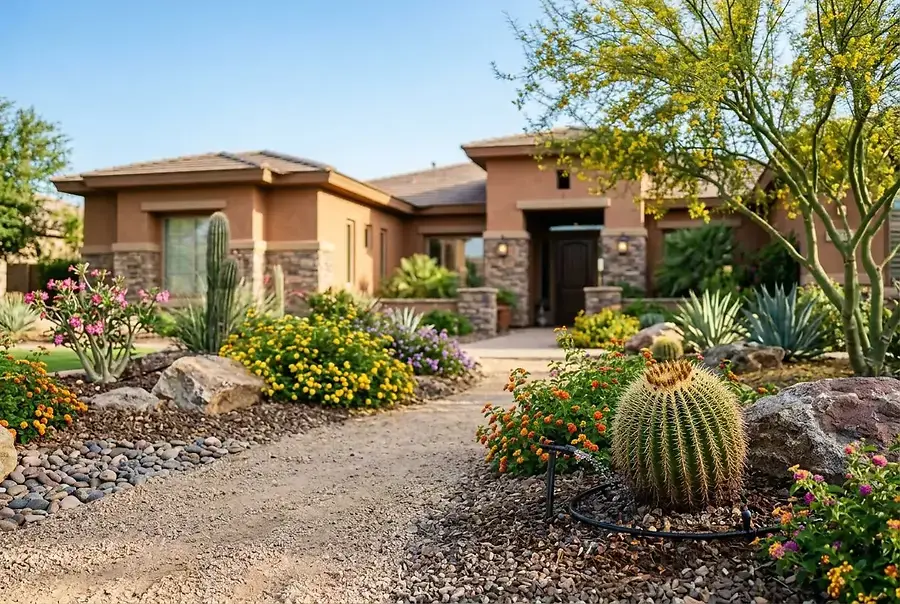
Introduction: Why Phoenix Homeowners Are Investing in Water-Efficient Landscapes
Phoenix homeowners face a unique challenge: maintaining beautiful outdoor spaces in one of the nation's hottest and driest climates. With water costs rising and drought conditions becoming increasingly common, many residents are discovering that traditional green lawns and water-intensive gardens are no longer practical—or affordable. The solution? Water-smart landscaping that combines sustainability with stunning aesthetics.
Investing in drought-resistant landscaping isn't just about saving money on water bills, though that's certainly a major benefit. It's also about increasing your home's market value, reducing maintenance costs, and contributing to environmental conservation. Phoenix homeowners who embrace water-efficient landscaping are finding that their properties stand out in the real estate market while enjoying lower utility bills year-round.
Drought-Resistant Plants and Xeriscaping Designs for Desert Living
Understanding Xeriscaping Principles
Xeriscaping is a landscaping approach specifically designed for arid climates like Phoenix. The term comes from the Greek word "xeros," meaning dry, and it focuses on creating beautiful landscapes that require minimal water. The key is selecting plants that thrive in desert conditions and arranging them strategically to maximize visual appeal while minimizing water needs.
Best Drought-Resistant Plants for Phoenix
Phoenix's desert climate is perfect for a variety of stunning native and adapted plants that require far less water than traditional landscaping. Consider incorporating these options into your landscape design:
- Desert Marigold: A vibrant yellow flowering plant that adds color while thriving in full sun and sandy soil
- Palo Verde Trees: Native Arizona trees that provide shade and structure with minimal water requirements
- Barrel Cactus: An iconic desert plant that stores water and requires virtually no maintenance
- Desert Rose: Produces stunning pink or red flowers and adapts well to Phoenix's heat
- Lantana: A colorful, hardy shrub that attracts butterflies and requires minimal watering once established
- Creosote Bush: A native shrub that's incredibly drought-tolerant and low-maintenance
- Desert Willow: Provides graceful foliage and beautiful flowers while being extremely water-efficient
Designing Your Xeriscaped Landscape
Effective xeriscaping goes beyond plant selection. Strategic design is essential for creating a landscape that's both beautiful and water-efficient. Group plants with similar water needs together, arrange taller plants to provide shade for smaller ones, and use hardscaping elements like rocks, gravel, and pavers to reduce the overall area requiring irrigation.
Consider creating focal points with decorative boulders, water features, or architectural elements that draw the eye while reducing the need for water-intensive plantings. Mulching with wood chips or gravel helps retain soil moisture and keeps roots cooler during Phoenix's intense summers.
Installing Smart Irrigation Systems to Maximize Water Savings
The Power of Smart Irrigation Technology
Even the most drought-resistant plants need water to establish themselves and thrive. The difference between traditional irrigation and smart irrigation systems is dramatic. Smart irrigation systems use weather data, soil moisture sensors, and advanced controllers to deliver water exactly when and where it's needed—no more, no less.
Key Features of Modern Smart Irrigation Systems
Today's smart irrigation technology offers impressive capabilities that can reduce water usage by 20-50% compared to traditional sprinkler systems:
- Weather-Based Controllers: Automatically adjust watering schedules based on rainfall, temperature, and humidity forecasts
- Soil Moisture Sensors: Monitor soil conditions and prevent overwatering by detecting when plants have sufficient moisture
- Zone-Based Watering: Different areas of your landscape receive customized watering schedules based on plant types and sun exposure
- Mobile App Control: Manage your irrigation system from anywhere using your smartphone
- Drip Irrigation: Delivers water directly to plant roots, minimizing evaporation and waste
Installation and ROI Considerations
While smart irrigation systems require an initial investment, the return on investment is substantial. Most Phoenix homeowners recoup their installation costs within 2-3 years through reduced water bills. Many local water utilities offer rebates for upgrading to smart irrigation systems, making the transition even more affordable.
Professional installation ensures your system is optimized for your specific landscape layout and plant needs. Technicians can design zones that account for sun exposure, plant types, and soil conditions, ensuring maximum efficiency and plant health.
Conclusion: Enhancing Your Home's Value Through Sustainable Landscaping
Water-smart landscaping represents a win-win solution for Phoenix homeowners. By combining drought-resistant plants, thoughtful xeriscaping design, and smart irrigation technology, you can create a beautiful outdoor space that:
- Significantly reduces your monthly water bills
- Requires less maintenance and upkeep
- Increases your home's curb appeal and market value
- Contributes to environmental conservation in Arizona's arid climate
- Provides year-round visual interest with native and adapted plants
The transition to water-efficient landscaping isn't just a trend—it's a practical investment in your home's future and Arizona's water security. Whether you're planning a complete landscape overhaul or making gradual improvements, every step toward water-smart landscaping brings you closer to lower costs, greater sustainability, and a more beautiful home.
Ready to transform your Phoenix landscape? Start by consulting with a local landscaping professional who specializes in xeriscaping and water-efficient design. Your wallet—and Arizona's water supply—will thank you.