Waterfront vs. Inland: Choosing Your Ideal Home in the Lowcountry
Discover how location and property type impact your lifestyle and investment returns across South Carolina's most desirable residential communities.

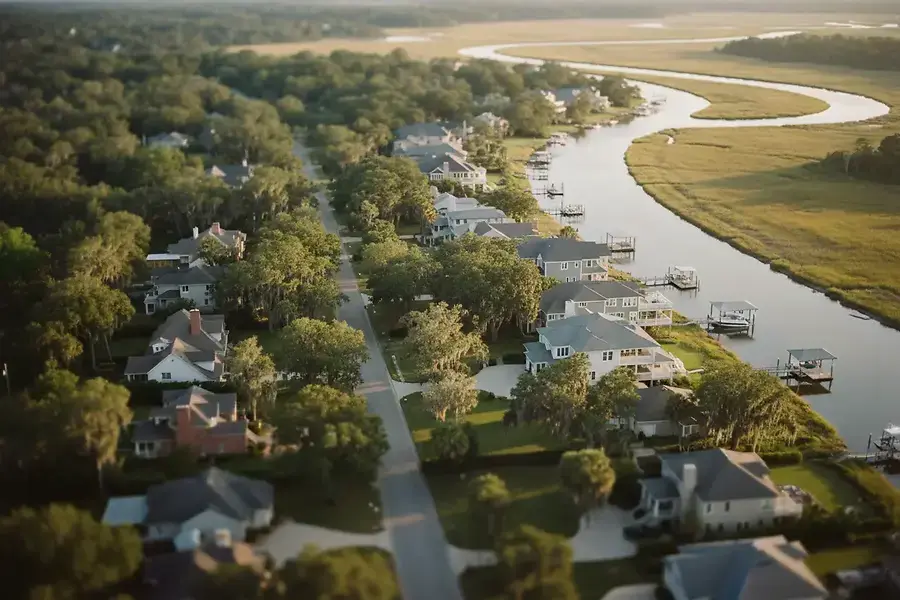
Introduction: Understanding Lowcountry Living Options
The Lowcountry of South Carolina represents one of the most coveted residential destinations on the East Coast, offering a unique blend of natural beauty, rich history, and modern amenities. Whether you're drawn to the allure of waterfront living or the practicality of inland communities, understanding the distinct advantages and challenges of each option is essential to making an informed decision about your future home.
The choice between waterfront and inland properties extends far beyond aesthetics—it encompasses lifestyle preferences, financial considerations, and long-term investment potential. This guide will help you navigate these options and discover which Lowcountry location aligns best with your vision for the perfect home.
Waterfront Properties: Benefits, Challenges, and Investment Potential
The Appeal of Waterfront Living
Waterfront properties in the Lowcountry offer unparalleled lifestyle benefits that attract homeowners from across the nation. Waking up to sunrise views over marshlands, rivers, or coastal waters creates an everyday experience that many consider priceless. These properties provide direct access to boating, fishing, kayaking, and water sports—activities that define the Lowcountry experience.
Beyond recreation, waterfront homes offer a sense of tranquility and connection to nature that inland properties simply cannot replicate. The gentle sounds of water, abundant wildlife, and ever-changing tidal rhythms create a serene living environment that appeals to those seeking escape from urban stress.
Investment Potential and Market Strength
Waterfront properties historically demonstrate strong appreciation and maintain their value exceptionally well. The limited supply of available waterfront land ensures consistent demand, making these properties attractive to investors and homeowners alike. Premium pricing reflects not only the property itself but also the scarcity of waterfront locations.
- Strong resale value: Waterfront homes typically command 20-40% price premiums compared to similar inland properties
- Consistent demand: Limited inventory ensures steady buyer interest
- Rental income potential: Vacation rental markets favor waterfront properties
- Long-term appreciation: Historical data shows waterfront properties outpace inland appreciation rates
Challenges and Considerations
While waterfront living offers tremendous benefits, prospective buyers must carefully consider several significant challenges. Hurricane and storm exposure represents the most critical concern, as waterfront properties face increased vulnerability to coastal weather events. Insurance costs reflect this risk, often running substantially higher than inland properties.
Environmental regulations also impact waterfront ownership. Strict building codes, wetland protections, and coastal management laws can limit renovations and expansions. Maintenance demands are equally significant—salt air corrosion, erosion concerns, and specialized upkeep requirements demand ongoing attention and investment.
"Waterfront living offers incomparable beauty and lifestyle benefits, but requires careful consideration of environmental factors and long-term maintenance commitments."
Inland Communities: Affordability, Growth, and Family Appeal
The Practical Advantages of Inland Living
Inland Lowcountry communities offer a compelling alternative for homeowners prioritizing affordability, stability, and family-friendly environments. These neighborhoods provide significantly lower entry prices, allowing buyers to invest in larger homes, more acreage, or premium finishes within their budget constraints.
The inland Lowcountry has experienced remarkable growth in recent years, with new developments, improved infrastructure, and expanding amenities transforming these communities. Schools, shopping centers, restaurants, and recreational facilities continue to develop, creating vibrant neighborhoods that appeal to families and professionals alike.
Investment Growth and Market Dynamics
While inland properties may not command the premium prices of waterfront homes, they offer substantial appreciation potential with lower entry costs. The expanding population and infrastructure development create favorable conditions for property value growth. Many investors recognize inland properties as excellent opportunities for building equity while maintaining reasonable price points.
- Lower purchase prices: Typically 30-50% less expensive than comparable waterfront properties
- Emerging growth markets: Developing infrastructure drives appreciation
- Family-oriented communities: Strong schools and amenities attract long-term residents
- Reduced insurance costs: Lower premiums reflect decreased environmental risk
- Easier maintenance: Standard upkeep without specialized coastal requirements
Lifestyle and Community Benefits
Inland communities foster strong neighborhood connections and family-oriented lifestyles. These areas typically feature parks, playgrounds, community centers, and organized activities that encourage resident interaction. The relaxed pace and accessible pricing create environments where families can establish roots and build lasting community ties.
For those who don't require daily water access, inland living provides all the Lowcountry charm—moss-draped oaks, subtropical vegetation, and Southern hospitality—without the premium pricing or environmental challenges of waterfront properties.
Making Your Choice: Key Factors for Finding Your Perfect Lowcountry Home
Assessing Your Lifestyle Priorities
Begin by honestly evaluating your daily lifestyle preferences. Do you envision regular boating and water activities, or are occasional beach visits sufficient? How important is waterfront scenery to your daily happiness? These questions help clarify whether waterfront premium pricing aligns with your actual usage patterns.
Financial Considerations
Examine your complete financial picture, including purchase price, insurance costs, maintenance requirements, and property taxes. Waterfront properties often carry hidden expenses that extend far beyond the purchase price. Calculate total cost of ownership over 10-20 years to make accurate comparisons between waterfront and inland options.
Long-Term Investment Goals
Consider your timeline and investment objectives. Are you seeking maximum appreciation potential, or do you prioritize affordability and stability? Waterfront properties excel for long-term wealth building, while inland properties offer better entry points and family-friendly stability. Your personal financial goals should guide this decision.
Risk Tolerance and Environmental Factors
Honestly assess your comfort level with environmental risks. Waterfront properties require acceptance of hurricane exposure, insurance volatility, and potential climate-related challenges. If these factors create stress, inland living may provide greater peace of mind and financial security.
Future Flexibility
Consider how your needs might evolve. Inland properties offer greater flexibility for modifications, expansions, and adaptations to changing family circumstances. Waterfront properties, while appreciating beautifully, may present constraints if your future plans require significant changes.
Conclusion: Your Lowcountry Home Awaits
The choice between waterfront and inland Lowcountry living ultimately reflects your personal priorities, financial situation, and lifestyle vision. Waterfront properties deliver unmatched beauty, premium investment potential, and daily access to water-based recreation—but require acceptance of higher costs and environmental considerations. Inland communities offer affordability, family appeal, and strong growth potential with reduced risk and maintenance demands.
Rather than viewing this as an either-or decision, consider your unique circumstances and priorities. Many successful Lowcountry residents own both waterfront and inland properties, enjoying the best of both worlds. Whatever you choose, the Lowcountry's natural beauty, vibrant communities, and welcoming culture ensure a rewarding home ownership experience.