Waterfront vs Inland: How Location Impacts Home Values in Greater Miami
Discover how proximity to water affects property values and investment returns across Miami's diverse neighborhoods.

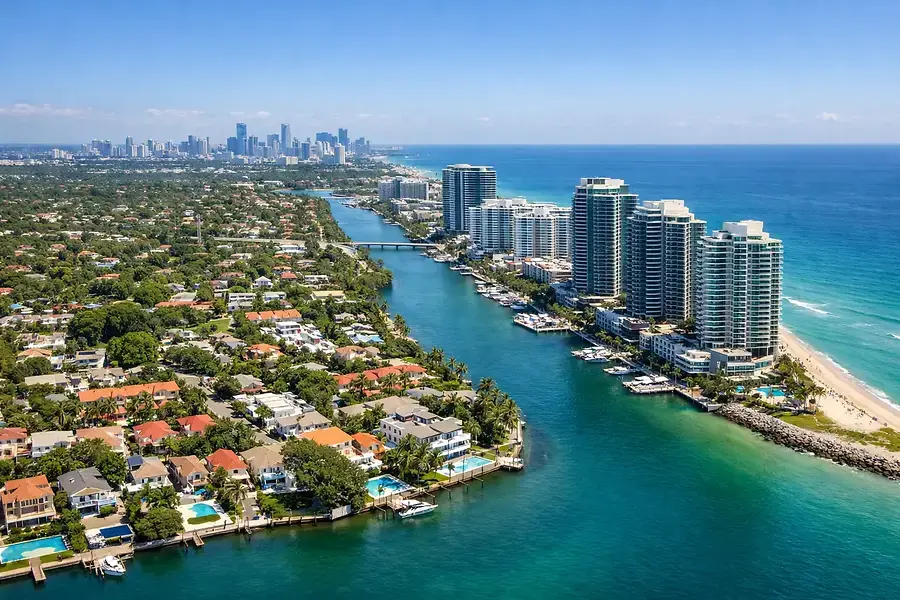
Understanding Waterfront Premium Pricing in Miami's Coastal Markets
Miami's waterfront properties command some of the most premium prices in the real estate market, and for good reason. The allure of ocean views, direct beach access, and the lifestyle associated with coastal living creates a powerful demand that consistently drives prices upward. Waterfront homes in neighborhoods like Brickell, Coconut Grove, and Miami Beach regularly sell for 40-60% more per square foot than comparable inland properties.
The Waterfront Premium Explained
The waterfront premium in Miami extends beyond mere aesthetics. Properties with direct water access benefit from:
- Unobstructed views that appreciate over time as development patterns become established
- Exclusive lifestyle amenities including private docks, beach clubs, and water sports access
- Limited supply of available waterfront properties, which naturally supports higher valuations
- International buyer appeal that expands the potential purchaser pool and increases competition
Luxury waterfront condominiums in Brickell and Wynwood have seen remarkable appreciation, with some properties doubling in value over the past decade. However, this premium pricing also means higher entry costs and greater exposure to market volatility.
Waterfront Investment Considerations
While waterfront properties offer prestige and lifestyle benefits, potential investors should consider the associated costs. Hurricane insurance, flood insurance, and property taxes are significantly higher for coastal properties. Additionally, climate change and rising sea levels present long-term concerns that may impact future resale values in the most vulnerable areas.
Inland Neighborhoods: Finding Value in Non-Waterfront Properties
Inland Miami neighborhoods offer a compelling alternative for savvy investors seeking strong returns without the premium waterfront price tag. Areas like Wynwood, Allapattah, Buena Vista, and Midtown have emerged as vibrant communities with excellent growth potential and more affordable entry points.
The Inland Advantage
Non-waterfront properties provide several distinct advantages:
- Lower acquisition costs allowing investors to purchase more property or diversify their portfolio
- Reduced insurance expenses with no flood or hurricane surge premiums
- Emerging neighborhood development with new restaurants, galleries, and cultural attractions driving appreciation
- Rental income potential from younger professionals and families seeking affordable urban living
Wynwood, in particular, has transformed from an industrial area into a thriving arts district. Properties that sold for $200,000 five years ago now command $400,000-$500,000, demonstrating the powerful appreciation potential of up-and-coming inland neighborhoods.
Identifying Promising Inland Markets
The key to inland investment success lies in identifying neighborhoods on the cusp of transformation. Look for areas with:
- Active real estate development and new construction projects
- Improved public transportation and infrastructure investments
- Growing business districts and commercial activity
- Community revitalization initiatives and local government support
Smart investors often find that inland properties offer better risk-adjusted returns than waterfront alternatives, particularly for those with a 5-10 year investment horizon.
Long-Term Appreciation Trends: Which Location Types Offer Better Returns
When analyzing historical data, the investment performance of waterfront versus inland properties reveals interesting patterns that challenge conventional wisdom.
Waterfront Appreciation Patterns
Waterfront properties typically appreciate at 3-5% annually during stable market conditions. However, they experience more dramatic swings during economic downturns. During market corrections, waterfront luxury properties often see sharper declines than inland alternatives, as they cater to discretionary buyers who reduce spending during uncertain times.
"The waterfront market is more volatile but offers lifestyle benefits that justify premium pricing for owner-occupants rather than pure investors."
Inland Appreciation Potential
Inland neighborhoods, particularly those undergoing revitalization, have demonstrated appreciation rates of 6-8% annually in recent years. This higher growth rate reflects the transformation of these areas and the influx of new residents seeking affordable urban living. Properties in emerging neighborhoods often provide better total returns when factoring in lower initial costs and reduced carrying expenses.
Rental Income Comparison
From a cash flow perspective, inland properties often outperform waterfront alternatives. A $500,000 inland property might generate $2,500-$3,000 monthly rental income, while a $1,000,000 waterfront property might only produce $3,500-$4,000 in rent. This superior cash-on-cash return makes inland properties attractive for income-focused investors.
Conclusion: Making Your Location Decision Based on Investment Goals
The choice between waterfront and inland properties ultimately depends on your investment objectives and risk tolerance.
Choose Waterfront If:
- You prioritize lifestyle and personal enjoyment over pure financial returns
- You have a long-term holding period (10+ years) to weather market volatility
- You're comfortable with higher carrying costs and insurance expenses
- You seek to own a prestigious property in an established luxury market
Choose Inland If:
- You're focused on maximizing return on investment and cash flow
- You want to identify emerging neighborhoods before they reach peak prices
- You prefer lower entry costs and reduced carrying expenses
- You're interested in rental income and portfolio diversification
The most successful Miami investors often employ a balanced strategy, combining a waterfront property for lifestyle and prestige with inland investments for superior returns and cash flow. By understanding the distinct advantages and challenges of each location type, you can make informed decisions that align with your financial goals and investment timeline.
Whether you choose the glamour of waterfront living or the value proposition of emerging inland neighborhoods, Greater Miami's diverse real estate market offers opportunities for every investor profile.


