Waterfront vs. Inland Living: Which Florida Community Suits You?
Discover the key differences between coastal and inland residential living to make the right choice for your lifestyle and investment goals.

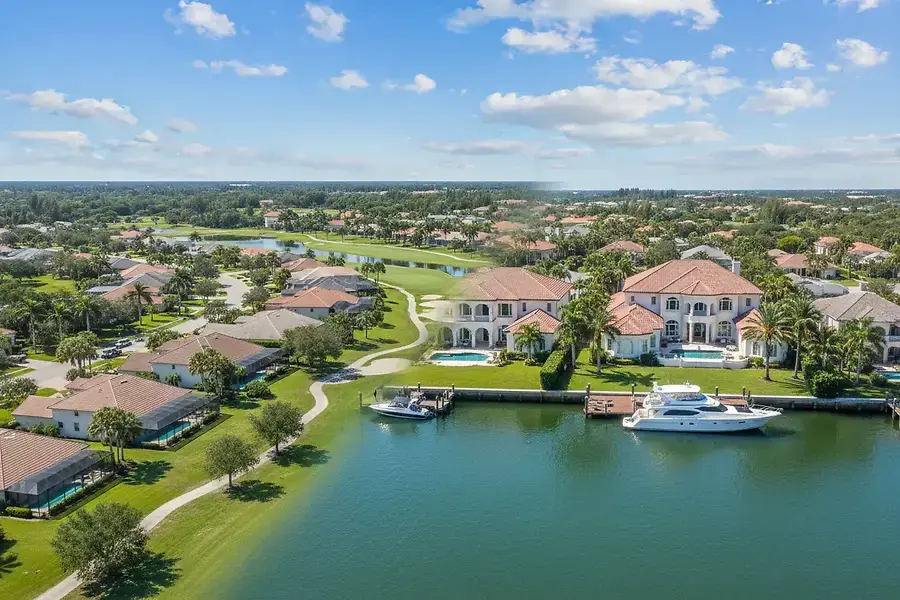
Understanding Your Residential Preferences in Southwest Florida
Choosing where to live in Florida is one of the most significant decisions you'll make, and the choice between waterfront and inland communities can dramatically impact your lifestyle, finances, and long-term satisfaction. Southwest Florida offers both options in abundance, each with distinct advantages and considerations. Whether you're drawn to the allure of ocean breezes and sunset views or prefer the spacious, quieter appeal of inland neighborhoods, understanding the key differences will help you make an informed decision that aligns with your personal goals and financial situation.
The decision isn't simply about preference—it's about evaluating your priorities, budget, and vision for your future. Let's explore what each option offers.
Waterfront Properties: Lifestyle Benefits, Costs, and Maintenance Considerations
The Lifestyle Appeal
Waterfront living in Florida represents a dream for many. Waking up to water views, enjoying direct beach access, and embracing the coastal lifestyle are undeniable attractions. Waterfront properties offer:
- Stunning views that enhance daily living and provide a sense of tranquility
- Direct water access for boating, fishing, paddleboarding, and water sports
- Vibrant community atmosphere with waterfront dining, entertainment, and social activities
- Potential for appreciation in desirable coastal markets
- Health benefits from proximity to nature and outdoor recreation opportunities
The Financial Reality
The premium for waterfront living is substantial. Coastal properties typically command 30-50% higher prices than comparable inland homes in the same region. This premium reflects not only the location but also limited supply and high demand. Additionally, waterfront properties often come with:
- Higher insurance costs, particularly flood and hurricane insurance
- Increased property taxes based on premium valuations
- HOA fees that can be significantly higher than inland communities
- Special assessments for coastal infrastructure and erosion control
Maintenance and Environmental Considerations
Waterfront properties require specialized maintenance. Salt air accelerates corrosion of metal fixtures, paint, and roofing materials. Hurricane preparedness is essential, with regular inspections and reinforcements necessary. Seawalls and docks require professional maintenance, and flood mitigation systems add to ongoing costs. Environmental factors like erosion, storm surge, and changing water levels are also important considerations for long-term property stability.
Inland Communities: Affordability, Space, and Long-Term Value Potential
The Affordability Advantage
Inland communities offer significantly better value for your investment. You'll find more square footage for your budget, allowing families to afford larger homes, additional bedrooms, or premium finishes. The cost savings extend beyond the purchase price:
- Lower insurance premiums with reduced flood and hurricane risk exposure
- Reduced property taxes based on more modest valuations
- Lower HOA fees or no HOA requirements in many communities
- Minimal special assessments for coastal infrastructure
Space and Lifestyle Benefits
Inland properties typically offer more land and living space. You can enjoy larger lots, spacious yards, and room for pools, gardens, or outdoor entertainment areas. Many inland communities feature excellent amenities including golf courses, parks, shopping centers, and family-friendly attractions. These neighborhoods often provide a quieter, more residential atmosphere while maintaining convenient access to urban centers and beaches.
Long-Term Investment Potential
While waterfront properties may appreciate faster initially, inland communities offer steady, sustainable growth with lower volatility. As Florida's population continues to grow, inland areas benefit from:
- Expanding infrastructure and development
- Improved schools and community services
- Growing demand from families seeking affordability and space
- Resilience to environmental and economic fluctuations
- Rental income potential for investment properties
"The best investment is the one that aligns with your lifestyle and financial goals, not necessarily the one with the most prestigious address."
Community and Convenience
Inland communities often provide better access to shopping, dining, healthcare, and entertainment without the tourist crowds. You'll find established neighborhoods with strong community bonds, excellent schools, and family-oriented activities. Many inland areas are experiencing revitalization with new commercial development, making them increasingly attractive to both residents and investors.
Making Your Informed Decision Based on Personal and Financial Goals
Assess Your Priorities
Start by honestly evaluating what matters most to you:
- Lifestyle: Do you prioritize water access and coastal living, or do you prefer space and community amenities?
- Budget: What's your realistic budget for purchase, maintenance, and insurance?
- Investment goals: Are you seeking appreciation, rental income, or a primary residence?
- Environmental concerns: How important are flood risk, hurricane exposure, and climate resilience?
- Long-term plans: Will you stay in this home for decades, or is this a stepping stone?
Consider Your Financial Capacity
Beyond the purchase price, calculate total ownership costs including insurance, taxes, HOA fees, and maintenance. Waterfront properties can cost 40-60% more annually to maintain than comparable inland homes. Ensure your budget accommodates these expenses comfortably without financial strain.
Think About Resale and Flexibility
Waterfront properties appeal to a narrower buyer pool, potentially limiting your resale options. Inland communities attract broader demographics, offering greater flexibility if your circumstances change. Consider how easily you could sell or rent the property if needed.
The Verdict
Waterfront living is ideal if you prioritize lifestyle, have substantial financial resources, and are committed to the coastal experience for the long term. Inland communities are perfect if you value affordability, space, stability, and sustainable investment growth.
Neither choice is inherently "better"—the right decision depends entirely on your unique circumstances, values, and goals. Take time to visit both types of communities, speak with current residents, and consult with real estate professionals who understand the local market. Your ideal Florida home is waiting; you just need to determine whether it overlooks the water or enjoys the spacious comfort of an inland neighborhood.