Waterfront vs Mountain Views: Choosing Your Perfect Home Location
Discover how lifestyle preferences and investment potential differ between South Carolina's coastal communities and Colorado's mountain towns.

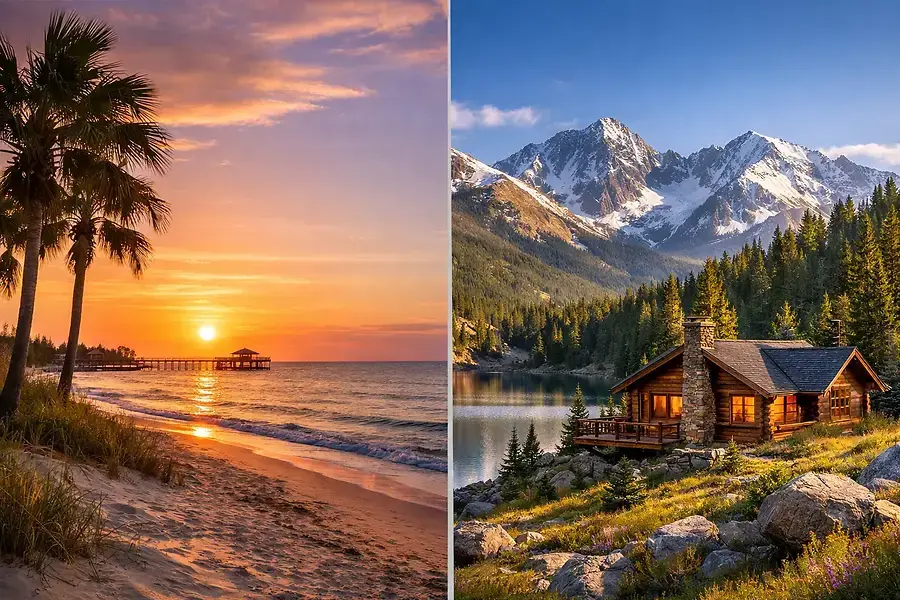
Introduction: Understanding Your Ideal Living Environment
Choosing where to call home is one of the most significant decisions you'll make in your lifetime. The location you select will influence not only your daily lifestyle but also your long-term financial investment and family's quality of life. Two increasingly popular destinations for homebuyers are South Carolina's vibrant coastal communities and Colorado's stunning mountain towns. Each offers distinct advantages, unique challenges, and different investment opportunities. Understanding the differences between waterfront and mountain living can help you make an informed decision that aligns with your personal values and financial goals.
Coastal Living: Waterfront Lifestyle and Market Dynamics in SC
The Appeal of Waterfront Living
South Carolina's coastal communities offer a lifestyle centered around water, sunshine, and outdoor recreation. From Charleston to Hilton Head, these areas attract residents seeking warm weather year-round, beautiful beaches, and a relaxed pace of life. The waterfront lifestyle provides endless opportunities for boating, fishing, swimming, and water sports.
Key benefits of coastal living include:
- Year-round warm weather and minimal snow
- Direct access to beaches and water recreation
- Vibrant tourism and hospitality industries creating job opportunities
- Established communities with excellent amenities and restaurants
- Strong rental market potential for vacation properties
Market Dynamics and Investment Potential
South Carolina's coastal real estate market has experienced steady growth over the past several years. Waterfront properties command premium prices, with oceanfront homes often selling for significantly more than inland properties. The strong tourism industry supports vacation rental income, making these properties attractive for investors seeking passive income streams.
However, coastal living comes with considerations. Hurricane season runs from June through November, requiring robust insurance and property maintenance. Flood insurance is often mandatory for properties in coastal zones, adding to annual expenses. Additionally, rising sea levels and coastal erosion present long-term concerns for waterfront property owners.
Community and Lifestyle Factors
Coastal communities tend to be more densely populated and developed. This means excellent access to shopping, dining, and entertainment, but also increased traffic and crowding during peak seasons. The social scene is typically vibrant, with numerous festivals, events, and cultural attractions throughout the year.
Mountain Living: Elevation, Community, and Colorado Real Estate Benefits
The Mountain Lifestyle Experience
Colorado's mountain towns offer a completely different living experience. Communities like Aspen, Boulder, and Telluride attract residents who value outdoor adventure, natural beauty, and a tight-knit community atmosphere. Mountain living emphasizes hiking, skiing, rock climbing, and other alpine activities.
Key benefits of mountain living include:
- Access to world-class skiing and winter sports
- Stunning natural scenery and outdoor recreation year-round
- Strong sense of community and local culture
- Lower humidity and cleaner air quality
- Four distinct seasons with beautiful fall foliage and spring wildflowers
- Generally lower property taxes compared to coastal areas
Real Estate Investment Considerations
Mountain real estate in Colorado has proven to be a solid long-term investment. Properties in popular ski towns appreciate steadily, driven by consistent demand from both residents and vacation home buyers. The rental market for mountain properties is strong, particularly during ski season and summer months when tourists flock to the mountains.
Mountain living does present unique challenges. Altitude adjustment can be difficult for some people, with elevations ranging from 8,000 to over 12,000 feet. Winter weather is more severe than coastal areas, requiring snow removal, proper heating systems, and winter driving skills. Maintenance costs can be higher due to weather-related wear and tear.
Community Character and Lifestyle
Mountain communities tend to be smaller and more intimate than coastal cities. This creates a strong sense of belonging and community involvement. Local culture often emphasizes environmental conservation, outdoor recreation, and sustainable living practices. The pace of life is generally slower, though popular ski towns can become crowded during peak seasons.
Making Your Decision: Factors That Matter Most for Your Family
Climate and Weather Preferences
Your tolerance for weather extremes should heavily influence your decision. If you prefer consistent warmth and minimal snow, coastal South Carolina is ideal. If you enjoy four distinct seasons, winter sports, and don't mind cold temperatures, mountain living may be perfect for you.
Lifestyle and Recreation Priorities
Consider what activities bring you joy. Are you a beach person who loves water sports and warm-weather activities? Or do you prefer hiking, skiing, and alpine adventures? Your recreational preferences should align with your chosen location.
Financial Considerations
Both locations offer solid investment potential, but through different mechanisms. Coastal properties benefit from tourism and vacation rental demand, while mountain properties appreciate through steady residential demand and seasonal tourism.
Compare the following financial factors:
- Property prices and appreciation rates in your target area
- Property taxes and insurance costs (including flood or weather-related insurance)
- Rental income potential if you plan to use the property as an investment
- Cost of living, including utilities and maintenance
- Job market and employment opportunities in your field
Family and Community Needs
If you have school-age children, research school quality in both locations. Consider proximity to family, healthcare facilities, and cultural institutions. Think about whether you prefer the energy of larger coastal communities or the intimacy of mountain towns.
Long-Term Vision
Ask yourself important questions: Do you want a primary residence or an investment property? Are you planning to retire in this location? How long do you intend to stay? Your answers will help determine which location offers better long-term value for your situation.
The Bottom Line: There is no universally "perfect" location—only the perfect location for you. Both South Carolina's waterfront communities and Colorado's mountain towns offer exceptional living experiences, strong real estate markets, and vibrant communities. Take time to visit both regions, talk to residents, and honestly assess your lifestyle preferences and financial goals. The right choice will be the one that aligns with your values and brings you genuine happiness.


