West Chester Home Inspections: What Every Buyer Must Know Before Closing
A comprehensive guide to understanding the home inspection process and identifying potential issues before making your purchase.

Understanding the Home Inspection Process
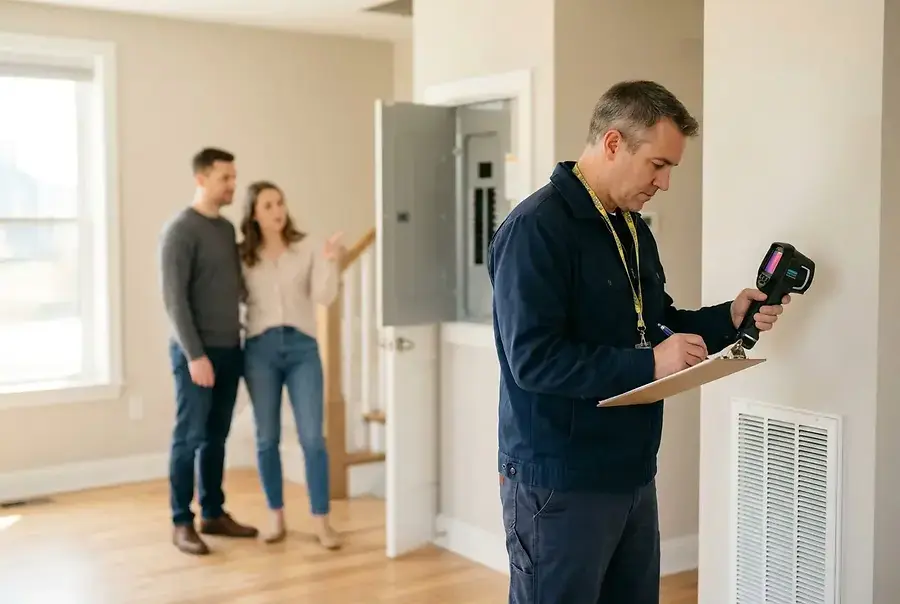
A home inspection is one of the most critical steps in the home buying journey. This thorough examination of a property's structural integrity, systems, and overall condition provides you with essential information before you commit to your purchase. In West Chester, most home inspections take between two to four hours, depending on the property's size and age.
During a standard inspection, a certified home inspector will evaluate:
- Structural components - Foundation, walls, roof, and framing
- Electrical systems - Wiring, panels, and outlets
- Plumbing systems - Pipes, fixtures, and water pressure
- HVAC systems - Heating, cooling, and ventilation
- Appliances - Built-in systems and their functionality
- Insulation and ventilation - Energy efficiency and moisture control
As a buyer, you have the right to be present during the inspection. This is highly recommended, as it allows you to ask questions directly and understand any issues the inspector identifies. Take notes, ask for clarifications, and don't hesitate to request a closer look at areas of concern.
Common Issues Found in West Chester Homes
West Chester's diverse housing stock—ranging from historic colonial homes to modern suburban properties—presents unique inspection challenges. Understanding common issues in the area can help you prepare for what inspectors typically find.
Foundation and Structural Issues
Many older West Chester homes were built on stone or brick foundations that may show signs of settling or minor cracks. While some cracking is normal, significant structural issues require professional evaluation. Look for horizontal cracks, water seepage, or bowing walls, as these indicate more serious problems.
Roof and Water Damage
Pennsylvania's climate means roofs endure significant wear from freeze-thaw cycles and heavy precipitation. Inspectors commonly find missing shingles, deteriorated flashing, or inadequate ventilation. Water damage in attics and upper floors is also prevalent, particularly in homes with aging roofing systems.
Outdated Electrical Systems
Older homes in West Chester may still have aluminum wiring or outdated panel systems. These pose safety risks and may not support modern electrical demands. Upgrading to modern standards is often necessary for insurance purposes and home safety.
Plumbing Concerns
Galvanized pipes, which corrode over time, are frequently found in older properties. Additionally, cast iron drain lines may be deteriorating. These issues can lead to reduced water pressure and costly repairs if not addressed.
HVAC System Age
Many West Chester homes have aging heating and cooling systems. Inspectors will note the age and condition of furnaces and air conditioning units, as replacement costs can be substantial.
How to Use Inspection Results in Negotiations
Once you receive the inspection report, you enter a critical negotiation phase. Don't panic if issues are found—this is completely normal. The inspection report is a tool to help you make informed decisions and negotiate fairly.
Prioritize Issues by Severity
Work with your real estate agent to categorize findings into three groups:
- Critical issues - Safety hazards or major structural problems requiring immediate attention
- Important issues - Systems nearing end of life or needing significant repairs
- Minor issues - Cosmetic problems or routine maintenance items
Request Repairs or Credits
You have several options when addressing inspection findings. You can request that the seller make repairs before closing, ask for a credit toward repairs you'll handle yourself, or negotiate a price reduction. Be reasonable in your requests—sellers are more likely to negotiate if your demands are based on actual repair estimates.
Pro Tip: Obtain written estimates from licensed contractors for major repairs. This gives you concrete numbers to present during negotiations and demonstrates you're serious about your requests.
Know When to Walk Away
If the inspection reveals extensive problems that would require substantial investment or indicate deeper structural issues, you may have grounds to renegotiate significantly or withdraw from the purchase. This is why the inspection contingency in your contract is so valuable.
Taking Action: Next Steps After Your Inspection
After negotiations conclude, you'll need to decide on your next steps. Here's what to consider:
Schedule Follow-Up Inspections
For major systems like HVAC, plumbing, or electrical, consider hiring specialized inspectors. These experts can provide detailed assessments and repair recommendations that general home inspectors may not offer.
Plan Your Repairs and Upgrades
Create a prioritized list of repairs and improvements. Address safety issues immediately after closing, then tackle systems that are nearing the end of their lifespan. Budget for unexpected issues that may arise during repairs.
Document Everything
Keep copies of the inspection report, all repair estimates, and any agreements made with the seller. This documentation is valuable for insurance purposes and future reference.
Schedule a Final Walk-Through
Before closing, conduct a final walk-through to verify that any agreed-upon repairs were completed satisfactorily. Confirm that the property condition matches what was documented in the inspection report.
The home inspection is your opportunity to make an informed decision about one of the largest investments you'll make. By understanding the process, knowing what to expect, and using the results strategically, you can protect yourself and ensure you're making the right choice for your West Chester home purchase.


