What Baltimore Home Inspections Reveal: A Buyer's Complete Guide
Learn what to expect during a home inspection and how to protect your investment in Baltimore's residential market.

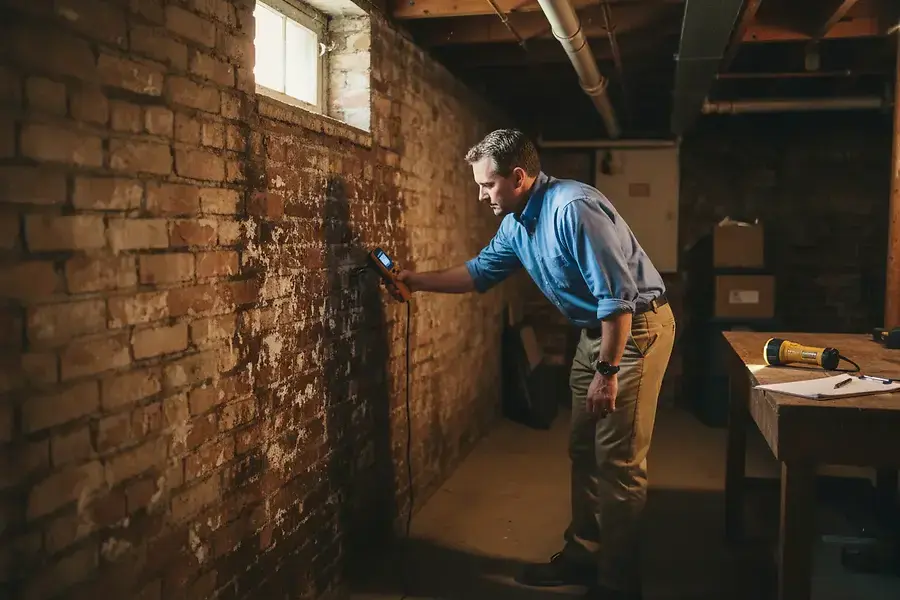
Understanding the Home Inspection Process in Baltimore
A home inspection is one of the most critical steps in the homebuying process, especially in Baltimore where many properties have unique architectural features and age-related considerations. During a typical inspection, a licensed professional will spend two to three hours examining every major system and component of the home, from the foundation to the roof.
What Inspectors Examine
Professional home inspectors in Baltimore evaluate:
- Structural integrity – Foundation, walls, and overall stability
- Roofing systems – Condition, age, and remaining lifespan
- Electrical systems – Wiring, panels, and safety compliance
- Plumbing – Water pressure, drainage, and pipe conditions
- HVAC systems – Heating, cooling, and ventilation functionality
- Insulation and ventilation – Energy efficiency and moisture control
- Windows and doors – Sealing, operation, and weatherproofing
Your Role During the Inspection
As a buyer, you have the right to be present during the inspection. This is highly recommended. Walk through the property with the inspector, ask questions, and take notes. Understanding the inspector's findings in real-time will help you make more informed decisions about your purchase.
Common Issues Found in Baltimore Homes and How to Address Them
Baltimore's housing stock is diverse, ranging from historic row houses to modern developments. Each property type presents its own set of challenges that inspectors frequently encounter.
Water Damage and Moisture Issues
One of the most prevalent problems in Baltimore homes is water intrusion. The region's climate and older construction methods make basements and crawl spaces particularly vulnerable. Look for signs of water staining, efflorescence on foundation walls, or musty odors. If detected, request a moisture assessment and budget for waterproofing solutions, which can range from simple caulking to more extensive foundation repairs.
Aging Roofing Systems
Many Baltimore homes feature roofs that are nearing the end of their lifespan. Asphalt shingles typically last 15-20 years, and inspectors will assess whether replacement is imminent. A new roof is a significant expense, so understanding the roof's condition helps you negotiate repair costs or request credits toward replacement.
Outdated Electrical Systems
Older Baltimore properties may have outdated electrical panels or insufficient capacity for modern appliances. Knob-and-tube wiring, while charming in historic homes, poses safety risks and may not meet current code requirements. Upgrading electrical systems can be costly, so factor this into your budget if identified during inspection.
Plumbing Concerns
Cast iron and galvanized pipes are common in Baltimore's older homes. These materials corrode over time, leading to reduced water pressure, discoloration, and potential leaks. Copper or PEX pipe replacement may be necessary, particularly if the inspection reveals significant deterioration.
Red Flags to Watch For and When to Renegotiate
While some issues are minor and easily addressed, others warrant serious consideration or renegotiation of your offer.
Structural Problems
Foundation cracks, settling, or bowing walls are serious red flags. These issues can be expensive to repair and may indicate deeper problems. If structural concerns are identified, hire a structural engineer for a second opinion before proceeding. This may justify renegotiating the purchase price or requesting the seller make repairs.
Mold and Asbestos
Mold growth suggests moisture problems that could affect your health and the home's value. Asbestos, commonly found in older Baltimore homes, requires professional remediation. Both issues warrant professional assessment and may significantly impact your decision.
Pest Infestations
Evidence of termites, rodents, or other pests requires immediate attention. Termite damage can compromise structural integrity, while rodent infestations indicate sanitation concerns. Request a pest control inspection and budget for treatment and prevention.
HVAC System Failure
If the heating or cooling system is at the end of its life or non-functional, replacement costs can exceed $5,000-$10,000. This is a legitimate reason to renegotiate or request the seller address the issue before closing.
When to Renegotiate
Use the inspection report as a negotiating tool. You have several options:
- Request the seller make repairs before closing
- Ask for a credit toward repairs you'll handle yourself
- Renegotiate the purchase price based on repair costs
- Walk away if issues are too extensive or costly
Pro Tip: Obtain repair estimates from licensed contractors for major issues. This gives you concrete numbers to support your renegotiation requests and demonstrates you're serious about addressing problems.
Conclusion: Making Informed Decisions as a Baltimore Homebuyer
A thorough home inspection is your best defense against costly surprises after closing. By understanding what inspectors look for, recognizing common Baltimore-specific issues, and knowing when to renegotiate, you can make confident decisions that protect your investment.
Remember: The inspection period is your opportunity to uncover problems and address them before they become your responsibility. Don't skip this crucial step, and don't hesitate to ask questions or seek professional advice when concerns arise. With proper diligence and knowledge, you'll be well-equipped to navigate Baltimore's real estate market and find a home that's worth your investment.


