What Buford Homebuyers Need to Know About Property Inspections
A comprehensive guide to understanding home inspections and protecting your investment in Buford real estate.

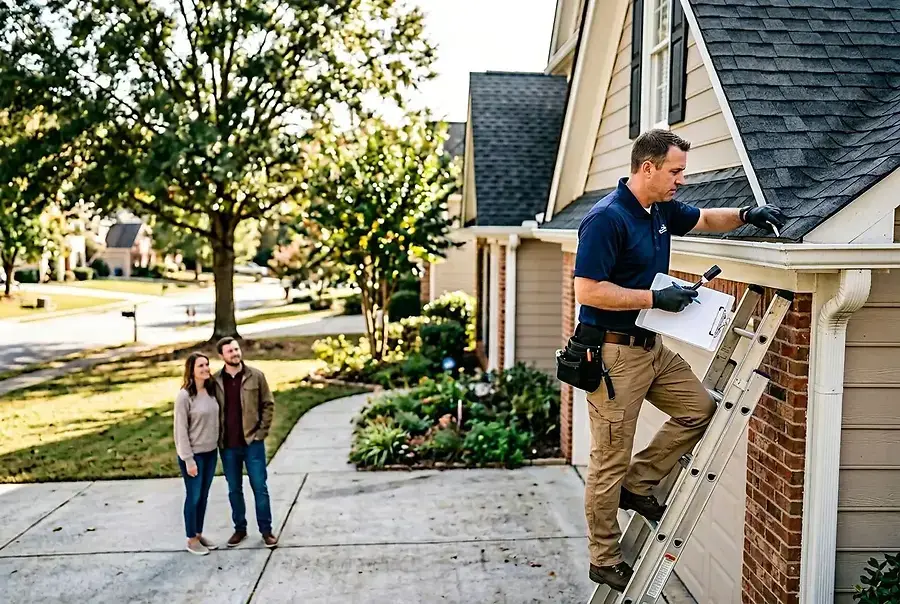
Understanding the Home Inspection Process and Timeline
A home inspection is one of the most critical steps in the homebuying process. For Buford homebuyers, scheduling a professional inspection typically occurs after your offer has been accepted but before the final closing. This inspection period usually lasts 7 to 10 days, giving you time to review the findings and make informed decisions about your purchase.
The inspection itself generally takes 2 to 4 hours, depending on the home's size and age. A qualified inspector will systematically examine the property's major systems and components. You have the right to be present during the inspection, and many experts recommend attending to ask questions and understand potential issues firsthand.
After the inspection is complete, you'll receive a detailed report within 24 to 48 hours. This report documents all findings, from minor cosmetic issues to significant structural concerns. Understanding this timeline helps you plan your next steps strategically.
Critical Areas Inspectors Evaluate in Buford Homes
Professional home inspectors in Buford follow a comprehensive checklist to evaluate your potential new home. Here are the key areas they examine:
Structural Components
Inspectors assess the foundation, walls, and roof structure for signs of damage, settling, or deterioration. In Buford's climate, they pay special attention to moisture intrusion and foundation issues that can develop over time.
Roofing and Exterior
- Roof condition and remaining lifespan
- Gutters and downspouts
- Siding and exterior walls
- Windows and doors
- Grading and drainage around the property
Plumbing Systems
The inspector tests water pressure, checks for leaks, examines pipe materials, and evaluates the water heater. Older homes in Buford may have outdated plumbing that requires attention.
Electrical Systems
Inspectors verify that the electrical panel is properly grounded, check outlet functionality, and ensure the system meets current safety standards. This is particularly important in homes that haven't been updated recently.
HVAC Systems
The heating, ventilation, and air conditioning systems are tested for proper operation. Given Buford's warm summers, a functioning AC system is essential for your comfort and home value.
Interior Components
- Insulation and ventilation
- Flooring conditions
- Walls and ceilings
- Doors and hardware
- Appliances (if included in the sale)
Identifying Red Flags and Negotiating Repairs
Not every inspection finding requires immediate action, but some issues deserve serious attention. Understanding the difference between minor and major concerns is crucial.
Major Red Flags
Significant structural damage, foundation problems, roof leaks, outdated electrical systems, and plumbing issues are serious concerns that can be expensive to repair. These findings should heavily influence your negotiation strategy or purchase decision.
Minor Issues
Small cosmetic problems, worn weatherstripping, or minor caulking gaps are typically inexpensive fixes. Many sellers address these items without negotiation.
Negotiation Strategies
Once you receive your inspection report, you have several options:
- Request repairs: Ask the seller to fix significant issues before closing
- Request credits: Negotiate a price reduction to cover repair costs yourself
- Walk away: If issues are too severe, you may choose to terminate the contract
- Accept as-is: Proceed with the purchase without requesting changes
In Buford's competitive real estate market, being strategic about which issues you prioritize can make your offer more attractive while still protecting your interests. Focus your negotiations on items that affect safety, functionality, or long-term structural integrity.
Using Inspection Results to Make Confident Purchase Decisions
The inspection report is your roadmap to making an informed decision about one of the largest investments you'll ever make. Here's how to use it effectively:
Review the Report Thoroughly
Don't just skim the summary. Read through each section and understand what each finding means. Ask your inspector to clarify any technical language or concerns you don't understand.
Consult with Professionals
For major issues, consider hiring specialists. A structural engineer can assess foundation concerns, or a roofer can evaluate roof conditions. These expert opinions strengthen your negotiating position and provide peace of mind.
Calculate Repair Costs
Get estimates for significant repairs. Understanding the true cost of addressing issues helps you decide whether to negotiate, request credits, or reconsider the purchase.
Consider Long-Term Value
Some homes require more maintenance than others. Factor in the cost of repairs and ongoing maintenance when evaluating whether the property represents good value in Buford's market. A lower purchase price may not be a good deal if the home requires extensive repairs.
Trust Your Instincts
If the inspection reveals numerous issues or the seller is uncooperative about addressing concerns, these may be warning signs. Your comfort level with the property's condition should influence your final decision.
Home inspections are an investment in your peace of mind and financial security. By understanding the process, knowing what inspectors evaluate, and using the results strategically, Buford homebuyers can make confident decisions that protect their investment for years to come.