What Buyers Should Know About Home Inspections in Warren, CT
Master the home inspection process to protect your investment and avoid costly surprises when purchasing in Warren.

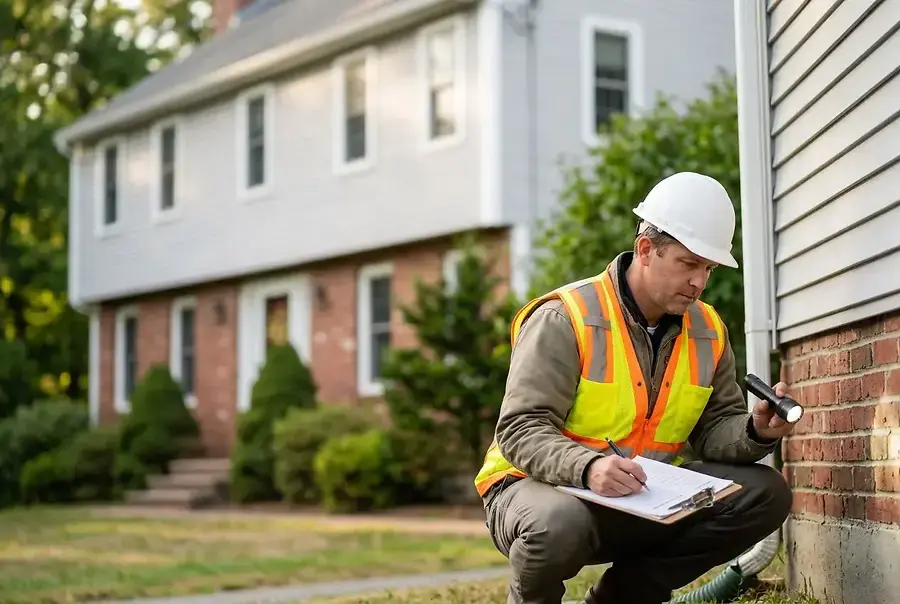
Understanding the Home Inspection Process in Warren
A home inspection is one of the most critical steps in the home buying process. It's a comprehensive evaluation of a property's physical structure and systems, conducted by a licensed professional inspector. In Warren, CT, most home inspections take between two to four hours, depending on the home's size and age.
During the inspection, the inspector will examine:
- Structural components – Foundation, walls, roof, and framing
- Electrical systems – Wiring, panels, and outlets
- Plumbing systems – Pipes, fixtures, and water pressure
- HVAC systems – Heating, cooling, and ventilation
- Appliances – Included items like stoves, dishwashers, and water heaters
- Insulation and ventilation – Attic, basement, and crawl spaces
- Interior and exterior conditions – Windows, doors, siding, and landscaping
As a buyer, you have the right to be present during the inspection. This is an excellent opportunity to ask questions and learn about the property's condition firsthand. Many experienced inspectors will explain their findings as they work, helping you understand potential issues and their severity.
What to Expect in the Report
After the inspection, you'll receive a detailed report, typically within 24 hours. This document outlines all findings, categorizing issues by severity. Items are usually marked as major concerns, minor repairs, or maintenance recommendations. The report includes photographs and descriptions of problem areas, making it easier to understand what needs attention.
Common Issues Found in Warren Homes and How to Address Them
Warren's climate and the age of many homes in the area mean certain issues appear more frequently than others. Understanding these common problems helps you anticipate potential costs and make informed decisions.
Roof and Water Damage
Connecticut's weather, with heavy snow and rain, takes a toll on roofs. Inspectors frequently find missing or damaged shingles, deteriorated flashing, and inadequate drainage. Water damage in attics and upper floors is a common secondary issue. If your inspection reveals roof problems, obtain repair estimates from licensed contractors. Roof replacement can be expensive, so this finding significantly impacts your offer price.
Foundation and Basement Issues
Many Warren homes have basements that are prone to moisture intrusion and minor cracks. While small cracks are normal, significant structural cracks or water seepage requires professional evaluation. Waterproofing solutions range from simple drainage improvements to more costly interior or exterior waterproofing systems.
Outdated Electrical Systems
Older homes may have outdated electrical panels or aluminum wiring, which poses safety risks. Modern code requires proper grounding and adequate capacity for today's electrical demands. Budget for potential panel upgrades or rewiring if the inspector flags these concerns.
HVAC System Age
Heating and cooling systems typically last 15-20 years. If the inspection reveals an aging system, factor replacement costs into your decision. A new HVAC system is a significant investment but essential for comfort and home value.
Plumbing Concerns
Older homes may have galvanized pipes that are corroding or outdated materials. Low water pressure, slow drains, or visible rust indicate potential plumbing issues. Pipe replacement can be costly, especially if walls must be opened.
Using Inspection Results to Negotiate and Make Informed Offers
The inspection report is a powerful negotiating tool. Once you receive the results, you have several options:
Request Repairs
You can ask the seller to repair identified issues before closing. This works best for straightforward problems with clear solutions. Sellers may be willing to fix items rather than reduce the price, especially if they're concerned about the home's marketability.
Request a Price Reduction
For significant issues, negotiate a lower purchase price to account for repair costs. This gives you flexibility to choose your own contractors and manage the work on your timeline.
Always obtain multiple repair estimates to support your negotiation position with concrete numbers.
Request Credits at Closing
Some sellers prefer providing a credit at closing rather than making repairs themselves. This allows you to handle repairs after purchase, though it requires having funds available for the work.
Walk Away
If inspection results reveal major structural problems or costs that exceed your budget, you may have grounds to terminate the purchase agreement, depending on your inspection contingency clause. This is why having a thorough inspection before making a final commitment is invaluable.
Making Your Offer Stronger
Use inspection knowledge to make competitive offers. If you're aware of common issues in Warren homes, you can factor these into your offer price from the start. This demonstrates you're a serious, informed buyer and can help your offer stand out in a competitive market.
Conclusion: Confidence in Your Warren Home Purchase
A professional home inspection is your best defense against costly surprises after purchase. By understanding what inspectors look for, recognizing common issues in Warren properties, and knowing how to leverage inspection results, you're equipped to make confident, informed decisions.
Don't skip the inspection to save money or speed up the process. The few hundred dollars spent on an inspection can save you thousands in unexpected repairs. Work with a qualified, licensed inspector familiar with Warren's housing stock and climate challenges. Ask questions, review the report carefully, and use the findings to negotiate terms that protect your investment.
Your home is likely the largest purchase you'll make. Taking time to understand its condition through a thorough inspection ensures you're buying with confidence and clarity.


