What Chicago Home Buyers Need to Know About Property Inspections
Learn what inspectors look for and how to protect your investment before closing on your Chicago home.

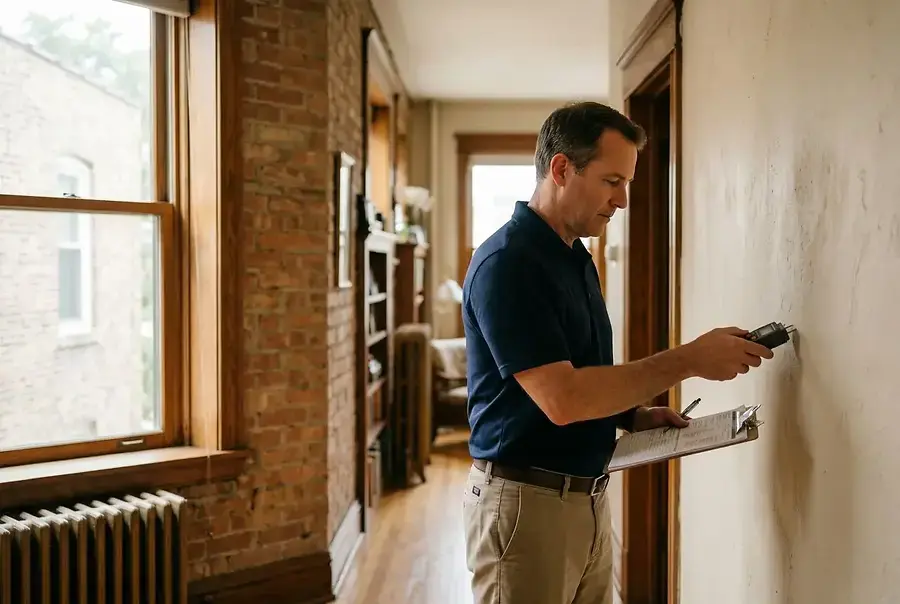
Understanding the Property Inspection Process in Chicago
Purchasing a home in Chicago is one of the most significant investments you'll make. A professional property inspection is a critical step in the home-buying process that can save you thousands of dollars in unexpected repairs. During a typical inspection, a certified inspector will spend two to three hours examining your potential new home from top to bottom.
The inspection covers multiple systems and components of the property, including:
- Structural elements – foundation, walls, and roof integrity
- Electrical systems – wiring, panels, and outlets
- Plumbing – pipes, fixtures, and water pressure
- HVAC systems – heating, cooling, and ventilation
- Appliances – functionality and condition
- Windows and doors – sealing and operation
- Insulation and ventilation – energy efficiency
In Chicago, it's essential to understand that you have the right to hire an inspector of your choice. Many buyers attend the inspection to ask questions and gain firsthand knowledge about their future home. This hands-on approach empowers you to make informed decisions about your purchase.
Common Issues Found in Chicago Homes and How to Address Them
Aging Infrastructure and Foundation Concerns
Chicago's older housing stock means many homes have aging foundations and structural issues. Foundation cracks are particularly common in the Chicago area due to soil composition and freeze-thaw cycles. While minor cracks may be cosmetic, significant ones require professional evaluation and potential repair.
Roof and Water Damage
The harsh Chicago winters take a toll on roofing materials. Inspectors frequently find missing shingles, deteriorated flashing, and inadequate drainage systems. Water damage and leaks can lead to mold growth and structural decay if not addressed promptly. Ask your inspector about the roof's remaining lifespan and whether replacement is imminent.
Outdated Electrical Systems
Older Chicago homes often have outdated electrical panels and wiring that may not meet current safety codes. Knob-and-tube wiring and insufficient grounding are safety hazards that insurance companies may refuse to cover. Budget for electrical upgrades if your inspection reveals these issues.
Plumbing Problems
Corroded pipes, low water pressure, and outdated plumbing fixtures are common findings in Chicago's vintage homes. Cast iron drain pipes may be deteriorating, and galvanized water lines often need replacement. These issues can be expensive but are crucial to address before closing.
HVAC System Age
Heating systems in older homes may be nearing the end of their lifespan. A furnace typically lasts 15-20 years, so knowing the age and condition of your home's heating system is vital for budgeting future replacements.
Working with Inspectors and Negotiating Repairs
Choosing the Right Inspector
Select a certified, experienced inspector who specializes in Chicago-area homes. Look for inspectors who are members of professional organizations like the American Society of Home Inspectors (ASHI). Don't choose based solely on price – a thorough inspection is worth the investment.
Understanding the Inspection Report
Your inspector will provide a detailed report categorizing issues by severity. Issues are typically classified as:
- Critical – safety hazards requiring immediate attention
- Major – significant defects affecting home value or function
- Minor – cosmetic issues or routine maintenance items
Review the report carefully and ask your inspector to explain any findings you don't understand. This document becomes your negotiating tool with the seller.
Negotiating Repairs and Credits
After receiving the inspection report, you have several options. You can request that the seller make repairs before closing, ask for a credit toward repairs you'll handle yourself, or request a price reduction. Be strategic in your negotiations – focus on critical and major issues rather than minor cosmetic concerns.
Pro Tip: Obtain repair estimates from licensed contractors for significant issues. This gives you concrete numbers to present during negotiations and ensures you're not overestimating repair costs.
In Chicago's competitive real estate market, be prepared to compromise. Sellers may be unwilling to make extensive repairs, especially in hot markets. Decide your priorities beforehand and know your walk-away point.
Final Walkthrough and Closing Confidence
The Pre-Closing Walkthrough
Before closing day, conduct a final walkthrough of the property. Verify that any agreed-upon repairs have been completed satisfactorily. Check that appliances and fixtures that were supposed to remain are still in place. This is your last opportunity to catch issues before you take ownership.
Building Your Confidence
A thorough property inspection provides peace of mind as you approach closing day. You'll understand your home's condition, know what maintenance is needed, and have addressed major concerns. This knowledge transforms you from an anxious buyer into a confident homeowner.
Remember that no home is perfect. Even newly constructed homes have minor issues. The goal of a property inspection is to identify significant problems that affect safety, functionality, or value – allowing you to make an informed decision about your Chicago investment.
By taking the inspection process seriously and using the information strategically, you're protecting your investment and setting yourself up for a successful homeownership experience in Chicago.


