What Dallas Home Inspectors Look for: A Buyer's Complete Guide
Learn what professional inspectors examine and how to use inspection results to negotiate repairs and protect your investment.

Understanding the Dallas Home Inspection Process
Buying a home in Dallas is one of the most significant investments you'll make in your lifetime. A professional home inspection is your opportunity to uncover potential issues before you commit to the purchase. Understanding what inspectors look for and how to use their findings can save you thousands of dollars and prevent costly surprises down the road.
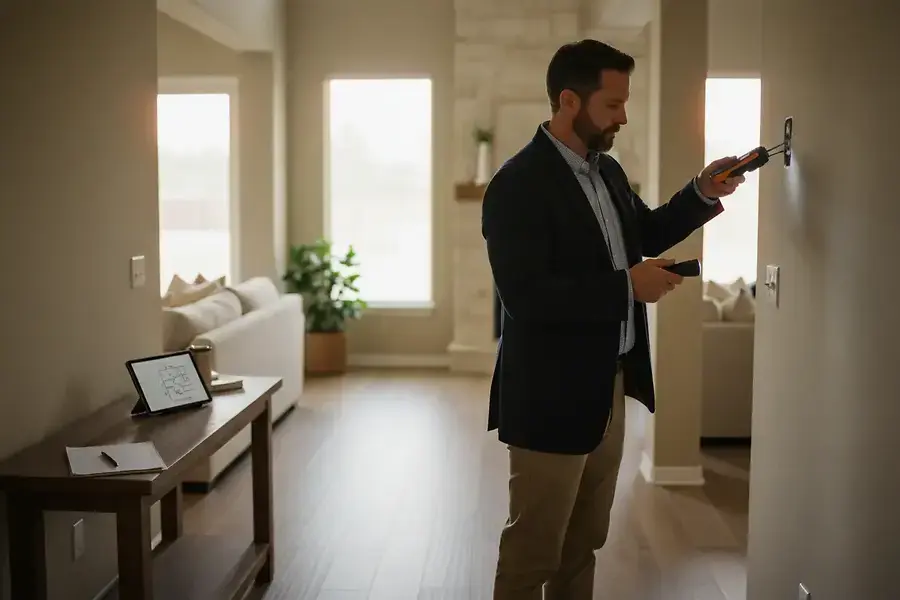
A typical Dallas home inspection takes between two to four hours, depending on the property's size and age. Licensed inspectors examine the home's major systems and components, creating a detailed report that identifies defects, safety concerns, and maintenance needs. This inspection period is crucial—it's your chance to make an informed decision about whether to proceed with the purchase, request repairs, or negotiate credits.
Why Home Inspections Matter in Texas
Texas homes face unique challenges due to the state's climate and environmental conditions. From intense summer heat to occasional severe weather, Dallas properties require specific attention to ensure they're built to withstand local conditions. A qualified inspector understands these regional concerns and knows what to look for in Texas homes specifically.
Key Areas Inspectors Examine in Texas Homes
Structural Components and Foundation
The foundation is the most critical element of any home. Dallas inspectors pay close attention to foundation integrity, looking for:
- Cracks in the foundation or concrete slab
- Signs of settling or shifting
- Water damage or moisture intrusion
- Proper grading around the foundation
Foundation issues are expensive to repair, making this inspection area particularly important for Dallas buyers.
Roofing and Exterior
Your roof protects everything beneath it. Inspectors examine:
- Roof condition and remaining lifespan
- Shingle damage, curling, or missing pieces
- Flashing around chimneys and vents
- Gutters and downspout functionality
- Exterior walls for damage or deterioration
Dallas heat can accelerate roof aging, so inspectors pay special attention to sun damage and ventilation issues that are common in this climate.
HVAC Systems
Heating and cooling systems are essential in Dallas. Inspectors evaluate:
- Age and condition of air conditioning units
- Furnace functionality and safety
- Ductwork integrity and insulation
- Thermostat operation
- Proper refrigerant levels
A failing AC system in a Dallas summer can be unbearable. Knowing the condition of your HVAC system helps you budget for replacements.
Plumbing and Water Systems
Water-related issues can cause significant damage. Inspectors check:
- Water pressure and flow
- Pipe material and condition
- Signs of leaks or water damage
- Water heater age and functionality
- Drainage systems and sump pumps
Electrical Systems
Safety is paramount with electrical systems. Inspectors examine:
- Panel condition and capacity
- Proper grounding and bonding
- Outlet and switch functionality
- Signs of outdated or hazardous wiring
- GFCI protection in wet areas
Interior Components
Inspectors also evaluate interior elements including:
- Doors and windows operation
- Flooring condition
- Walls and ceilings for damage
- Insulation levels
- Appliances included in the sale
Negotiating Repairs and Credits After Inspection Results
Understanding Your Inspection Report
Once you receive the inspection report, take time to understand it thoroughly. Reports typically categorize findings by severity—from minor maintenance items to major defects requiring immediate attention. Don't panic over every item listed; some issues are normal wear and tear, while others are serious concerns.
Prioritizing Issues for Negotiation
Not every inspection finding warrants negotiation. Focus on:
- Safety hazards that pose immediate risks
- Major system failures requiring expensive repairs
- Structural concerns affecting the home's integrity
- Code violations that must be addressed
Minor cosmetic issues or routine maintenance items are typically the buyer's responsibility after closing.
Repair Requests vs. Credits
You have two main options when negotiating inspection results:
Repair Requests: Ask the seller to fix issues before closing. This ensures work is completed to your satisfaction, though sellers may hire the cheapest contractor available.
Repair Credits: Request a credit toward closing costs to handle repairs yourself after purchase. This gives you control over contractor selection and work quality, but requires you to manage the repairs.
Making Your Negotiation Strategy
Approach negotiations professionally and reasonably. Obtain repair estimates from licensed contractors to support your requests with concrete numbers. Be prepared to compromise—sellers may not agree to all requests, and you'll need to decide which issues are deal-breakers.
Pro Tip: Have your real estate agent review the inspection report with you. Experienced agents understand local market conditions and can advise on reasonable negotiation expectations in the Dallas area.
Conclusion: Making Informed Offers with Inspection Data
A professional home inspection is your safeguard in the Dallas real estate market. By understanding what inspectors examine and how to use their findings, you transform inspection results from a source of anxiety into a powerful negotiation tool.
Remember that no home is perfect—every property has some issues. The goal is identifying significant problems that affect safety, functionality, or value, then using that information to make informed decisions about your purchase. Whether you negotiate repairs, request credits, or decide to walk away, the inspection empowers you to protect your investment and avoid costly surprises.
Work closely with your real estate agent and inspector to understand your home's condition fully. Armed with this knowledge, you'll make confident offers and close on a Dallas home that meets your needs and budget.


