What Determines Home Values in DFW's Top Residential Communities
Discover how location, amenities, and market dynamics shape home prices in North Texas neighborhoods from Plano to Grapevine.

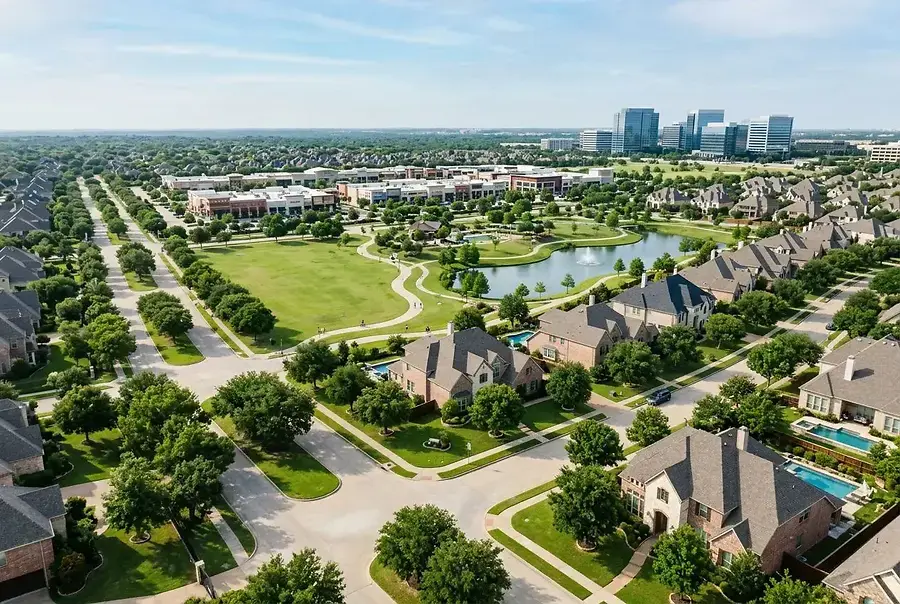
Introduction: What Drives Property Values in the DFW Market
The Dallas-Fort Worth metroplex has emerged as one of the nation's most dynamic real estate markets, attracting homebuyers and investors from across the country. Understanding what determines home values in this competitive landscape is essential for anyone looking to buy, sell, or invest in North Texas property. From the thriving tech corridors of Plano to the charming suburban appeal of Grapevine, each community offers distinct characteristics that directly influence property prices.
Home values in the DFW area are shaped by a complex interplay of factors that extend far beyond simple supply and demand. Location, school quality, employment opportunities, amenities, and broader market dynamics all play crucial roles in determining what buyers are willing to pay for a home. By examining these elements, homeowners and investors can make more informed decisions about where to buy and what to expect from their real estate investments.
Location-Specific Factors: How Each Community Influences Home Prices
Proximity to Employment Centers
One of the most significant drivers of home values in DFW is proximity to major employment hubs. Communities like Plano, Irving, and Arlington command premium prices because they host corporate headquarters and technology companies that employ thousands of workers. Shorter commute times translate directly into higher property values, as homebuyers prioritize convenience and work-life balance.
The presence of major employers such as tech giants and Fortune 500 companies creates a steady demand for housing in surrounding areas. Neighborhoods within a 15-20 minute commute of these employment centers typically see stronger appreciation and higher baseline prices compared to more distant communities.
School District Quality and Ratings
School district quality remains one of the most influential factors affecting home values throughout the DFW region. Families with children consistently prioritize excellent schools, and communities with top-rated school districts command significantly higher prices. Highly-rated districts in areas like Plano, Frisco, and Southlake attract families willing to pay premium prices for access to quality education.
Properties in excellent school districts often appreciate faster than those in average districts, making them attractive long-term investments. Even homes without school-age children benefit from proximity to quality schools, as they maintain stronger resale value and broader buyer appeal.
Neighborhood Amenities and Lifestyle Features
The availability of parks, recreation facilities, shopping centers, and dining options significantly impacts property values. Communities that offer comprehensive amenities create lifestyle appeal that justifies higher prices. Grapevine's charming downtown, Frisco's extensive trail systems, and Plano's shopping and entertainment districts all contribute to their strong property values.
- Master-planned communities with clubhouses and fitness centers
- Access to parks, trails, and outdoor recreation areas
- Proximity to shopping, dining, and entertainment venues
- Community events and cultural attractions
- Safety and security features
Community Character and Demographics
The overall character and demographic makeup of a neighborhood influence both current prices and future appreciation potential. Well-maintained neighborhoods with stable populations tend to hold their value better than areas experiencing rapid turnover. Communities with a strong sense of identity and active neighborhood associations often see better property value retention.
Market Dynamics and Investment Potential in North Texas Residential Areas
Population Growth and Migration Trends
The DFW region continues to experience robust population growth, driven by people relocating from other states seeking job opportunities and affordable living. This influx of new residents creates sustained demand for housing, supporting property value appreciation across the region. Communities positioned to accommodate this growth—those with available land and expanding infrastructure—tend to see stronger price growth.
Migration patterns also influence which neighborhoods attract the most desirable demographics. Areas attracting young professionals, families, and retirees experience different market dynamics and appreciation rates based on their appeal to these specific groups.
Interest Rates and Financing Conditions
Broader economic factors, particularly interest rates and lending conditions, significantly impact home values throughout the DFW market. Lower interest rates increase buyer purchasing power, driving up demand and prices. Conversely, higher rates can cool the market and create opportunities for buyers. Understanding these cycles helps investors time their purchases and sales strategically.
New Development and Infrastructure Investment
Communities experiencing new development and infrastructure improvements typically see property value increases. New highways, public transportation expansions, and commercial development projects can dramatically enhance a neighborhood's appeal and value. Areas like Frisco and Plano have benefited significantly from strategic infrastructure investments that have attracted businesses and residents.
Planned developments and master-planned communities often command premium prices because they offer coordinated growth, planned amenities, and architectural consistency that appeals to buyers seeking stability and quality.
Market Inventory and Competition
The balance between supply and demand directly influences home prices. Communities with limited inventory relative to buyer demand experience faster appreciation and higher prices. Conversely, areas with abundant inventory may see slower appreciation or price adjustments. Savvy investors monitor inventory levels to identify emerging opportunities and potential market shifts.
Conclusion: Using Property Value Insights to Make Informed Real Estate Decisions
Home values in DFW's top residential communities are determined by a multifaceted combination of location-specific factors, community characteristics, and broader market dynamics. Success in the North Texas real estate market requires understanding how these elements interact to influence property prices and appreciation potential.
Whether you're a first-time homebuyer, an experienced investor, or someone considering a move within the DFW area, taking time to analyze these value drivers will lead to better decisions. Consider your priorities—whether that's proximity to employment, school quality, lifestyle amenities, or investment potential—and match them with communities that align with your goals.
The DFW real estate market continues to offer excellent opportunities for those who understand what drives value. By staying informed about location factors, market trends, and community characteristics, you can make confident decisions that serve your financial and lifestyle goals for years to come.


