What Determines Home Values in Rural Southwest Texas Communities
Discover how location, land size, and market demand determine home values in Austin, Sonora, Ozona, and Brackettville.

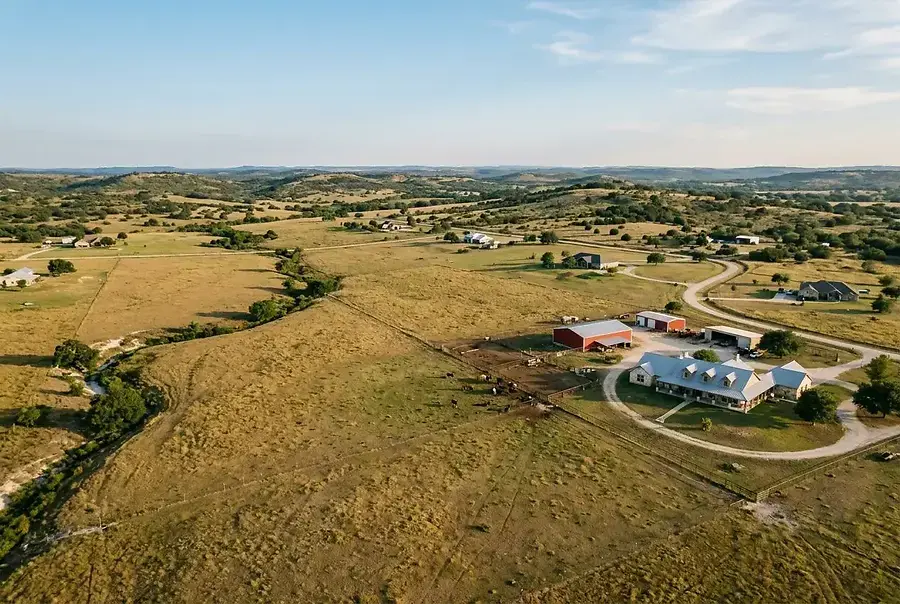
Understanding Valuation Factors in Rural Southwest Texas Markets
Rural Southwest Texas presents a unique real estate landscape where home values are shaped by factors distinctly different from urban markets. In communities like Austin, Sonora, Ozona, and Brackettville, understanding what drives property values is essential for both buyers and sellers. The region's character—defined by vast landscapes, tight-knit communities, and agricultural heritage—creates a specialized market with its own valuation principles.
The foundation of home valuation in these rural areas begins with location and accessibility. Properties closer to established towns or with better road access typically command higher prices. Distance from amenities, schools, and services significantly impacts desirability. Additionally, the economic drivers of each community play a crucial role. Areas with stable employment opportunities, whether through ranching, agriculture, or small business, tend to maintain stronger property values.
The Role of Supply and Demand
Market demand in rural Southwest Texas fluctuates based on broader economic trends and regional development. Communities experiencing population growth or increased investment see upward pressure on home values. Conversely, areas facing economic challenges may see stagnation or decline. Understanding these dynamics helps property owners anticipate market movements and make informed decisions about their investments.
How Property Characteristics Impact Home Prices Across These Communities
Beyond location, specific property features determine home values in Southwest Texas rural markets. These characteristics often differ from what matters in urban settings, reflecting the region's lifestyle and economic foundations.
Land Size and Acreage
In rural communities, land size is paramount. Properties with larger acreage typically command premium prices, especially if the land is suitable for ranching, farming, or livestock operations. A five-acre property in Brackettville may be valued significantly higher than a similar home on a quarter-acre lot in an urban area. The ability to generate income from the land—whether through cattle ranching, hay production, or hunting leases—directly influences property values.
Water Rights and Resources
Water availability is a critical factor in Southwest Texas valuation. Properties with reliable water sources, wells, or water rights are substantially more valuable than those without. In arid regions like Sonora and Ozona, access to water can mean the difference between a viable ranch and a marginal property. Buyers prioritize properties with established water infrastructure.
Structural Condition and Improvements
While land dominates rural valuations, the condition of buildings and improvements matters significantly. Well-maintained homes with modern utilities, updated plumbing, and reliable electrical systems command higher prices. Outbuildings such as barns, storage structures, and livestock facilities add substantial value. Properties with recent renovations or quality construction typically appraise higher than those requiring significant repairs.
Access to Utilities and Services
Properties with established access to electricity, natural gas, and internet connectivity are valued higher than those requiring expensive infrastructure development. In remote areas, the cost of extending utilities can be prohibitive, making properties with existing services more desirable and valuable.
Comparing Market Values: Austin to Brackettville
While all four communities fall within Southwest Texas, their real estate markets show distinct characteristics and price ranges.
Austin Market Dynamics
Austin, as the largest and most economically diverse community in this region, typically shows the highest property values. The presence of government offices, educational institutions, and diverse employment opportunities supports stronger demand. Rural properties near Austin benefit from proximity to urban amenities while maintaining country living appeal. Home values here reflect both rural and suburban influences.
Sonora, Ozona, and Brackettville Markets
These smaller communities maintain more traditional rural character and typically feature lower property values than Austin. However, this doesn't indicate weakness—rather, it reflects the communities' economic focus on ranching and agriculture. Properties in Sonora, Ozona, and Brackettville are valued based primarily on land productivity and ranching potential. A 500-acre ranch with water rights and good grazing land may represent excellent value in these markets, even if the home structure itself is modest.
Market Trends and Comparisons
Interestingly, rural properties in these smaller communities often provide better value for buyers seeking land and lifestyle. While per-square-foot prices may be lower, the actual acreage and income-generating potential often exceed what similar investment provides in Austin. Savvy investors recognize that value in rural markets is measured differently—focusing on land quality, water rights, and agricultural potential rather than square footage and urban proximity.
Positioning Your Property for Maximum Appraisal Value
Property owners in Southwest Texas rural communities can take strategic steps to enhance their home values and appeal to potential buyers.
Enhance Land Productivity
Demonstrate the income-generating potential of your property. Well-maintained pastures, established water systems, and documented agricultural or ranching history increase appraisal values. Consider obtaining soil tests, water quality reports, and productivity records to showcase your land's capabilities.
Invest in Essential Infrastructure
Upgrade utilities, improve road access, and maintain fencing and gates. These improvements signal serious investment and increase property functionality. Quality infrastructure reduces buyer concerns about development costs and makes properties more immediately usable.
Maintain Property Appearance
Regular maintenance of buildings, grounds, and equipment reflects property care. Well-maintained barns, clean pastures, and updated homes create positive first impressions that translate to higher appraisals. Landscaping and property organization matter, even in rural settings.
Document Property Features
Maintain records of water rights, utility connections, improvements, and any income generated from the property. Professional appraisals rely on documentation. Clear records of property features, maintenance history, and income potential strengthen appraisals and support higher valuations.
Consider Market Positioning
Understand your property's unique strengths within the local market. Whether it's exceptional water access, prime ranching land, or proximity to town, emphasize these features. Market your property to buyers seeking those specific characteristics—ranchers, farmers, or lifestyle buyers—rather than trying to appeal to everyone.
Rural Southwest Texas home values ultimately reflect the region's character and economic foundations. By understanding the factors that drive valuations in communities like Austin, Sonora, Ozona, and Brackettville, property owners can make informed decisions about their investments and position their properties effectively in these specialized markets.