What Drives Home Values in Charlotte's South Suburbs and Surrounding Markets
Discover the key factors that influence property prices in Matthews, Waxhaw, Weddington, Fort Mill, and Indian Land—and how to use that knowledge to your advantage.

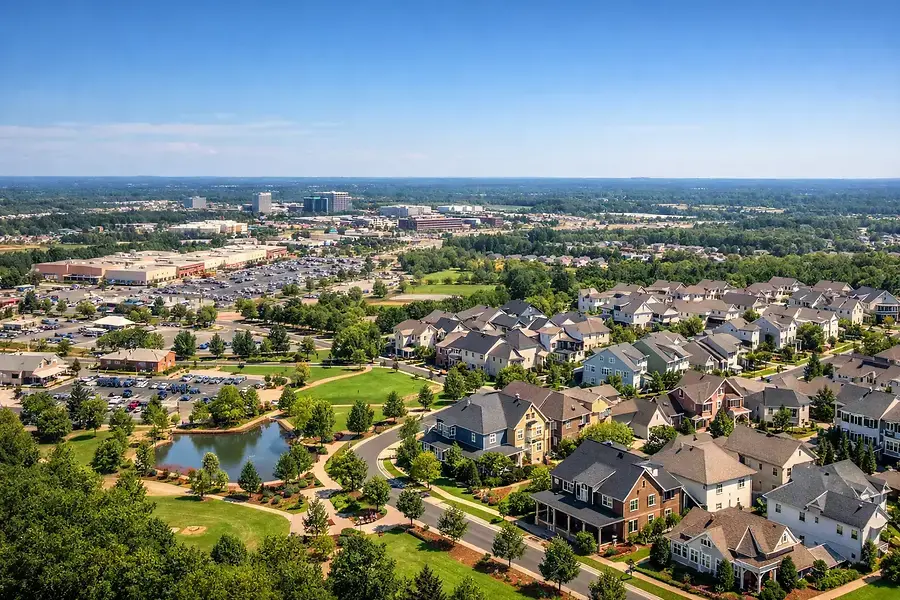
Introduction: The Real Estate Market Dynamics in Charlotte's South Suburbs
Charlotte's south suburbs have become increasingly attractive to homebuyers and investors alike. Communities like Matthews, Waxhaw, Weddington, Fort Mill, and Indian Land offer a unique blend of suburban charm, modern amenities, and proximity to the vibrant Charlotte metropolitan area. Understanding what drives home values in these markets is essential for anyone looking to buy, sell, or invest in property.
The real estate landscape in these areas is dynamic and multifaceted. Home values are influenced by a complex interplay of factors ranging from economic conditions and demographic trends to local infrastructure and school quality. Whether you're a first-time homebuyer, a seasoned investor, or a homeowner considering selling, having a clear understanding of these market drivers can help you make informed decisions and maximize your financial outcomes.
Key Factors That Influence Home Values in Your Area
Location and Proximity to Charlotte
One of the most significant factors affecting home values in the south suburbs is proximity to Charlotte's downtown and employment centers. Communities closer to major highways like I-77 and I-485 tend to command higher prices due to reduced commute times. Weddington and Fort Mill, with their strategic locations along I-77, have seen particularly strong appreciation as professionals seek convenient access to Charlotte's job market.
School Quality and Educational Institutions
School ratings consistently rank among the top considerations for homebuyers with families. The south suburbs benefit from well-regarded school districts that attract families willing to pay premium prices. Areas with top-rated schools often see 10-15% higher property values compared to neighborhoods with lower-rated institutions. This factor alone can significantly impact your home's market value and resale potential.
Infrastructure and Development
The quality of local infrastructure—including roads, utilities, and public services—directly impacts property values. Recent infrastructure improvements and planned development projects in Matthews, Waxhaw, and Indian Land have boosted property appreciation. Communities investing in modern infrastructure and amenities attract more buyers and command higher prices.
Population Growth and Demographic Trends
The south suburbs have experienced steady population growth, driven by:
- Young families relocating from urban centers seeking more space
- Remote work opportunities allowing professionals to live farther from downtown
- Retirees attracted to the region's climate and lifestyle
- Corporate relocations bringing new residents to the area
This consistent population growth creates sustained demand for housing, supporting home value appreciation across the region.
Economic Conditions and Employment Opportunities
A strong local economy with diverse employment opportunities supports higher home values. The south suburbs benefit from proximity to major employers in Charlotte, including banking, healthcare, and technology sectors. Areas with lower unemployment rates and growing job markets typically see stronger home value growth.
Neighborhood Amenities and Quality of Life
Modern homebuyers increasingly value quality-of-life amenities. Communities offering parks, recreational facilities, shopping centers, and dining options command premium prices. Neighborhoods with strong community engagement and low crime rates also see enhanced property values. The intangible factors that make a community desirable often translate directly into measurable home value increases.
Market Supply and Demand Dynamics
Like any market, real estate in the south suburbs follows basic supply and demand principles. Areas with limited housing inventory relative to buyer demand experience faster appreciation. Conversely, neighborhoods with oversupply may see slower growth or price stagnation. Understanding current inventory levels in your specific area is crucial for timing your real estate decisions.
How to Evaluate Fair Market Pricing for Your Home or Investment
Conduct a Comparative Market Analysis
The most reliable way to determine fair market value is through a comparative market analysis (CMA). This involves examining recent sales of similar properties in your neighborhood. Look for homes with comparable:
- Square footage and lot size
- Age and condition
- Number of bedrooms and bathrooms
- Special features and upgrades
Recent sales data provides the most accurate picture of current market conditions in your specific area.
Work with Local Real Estate Professionals
Real estate agents with deep knowledge of the south suburbs can provide invaluable insights into local market trends. They understand neighborhood-specific factors that influence pricing and can help you identify opportunities or avoid overpriced properties. A knowledgeable agent can be your greatest asset in navigating the market effectively.
Monitor Market Trends and Economic Indicators
Stay informed about broader economic factors affecting the region:
- Interest rate trends and mortgage availability
- Local employment data and job growth
- Population migration patterns
- Planned infrastructure and development projects
- School district performance changes
Understanding these trends helps you anticipate market movements and make strategic decisions.
Assess Property-Specific Factors
Beyond market-wide trends, evaluate individual property characteristics that affect value. Consider the home's condition, age of major systems, energy efficiency, and any unique features. Properties requiring significant repairs may be undervalued opportunities, while well-maintained homes in desirable locations command premium prices.
Conclusion: Using Market Insights to Make Smarter Real Estate Decisions
The south suburbs of Charlotte—Matthews, Waxhaw, Weddington, Fort Mill, and Indian Land—represent dynamic real estate markets with strong fundamentals supporting property value appreciation. By understanding the key factors that drive home values in your area, you can make more informed decisions whether you're buying your first home, upgrading to a larger property, or building an investment portfolio.
The most successful real estate decisions are based on knowledge and data rather than emotion or timing. Take the time to research your specific market, understand local trends, and work with qualified professionals who can guide you through the process. Whether you're looking to capitalize on market appreciation or find your ideal home, the insights gained from understanding these market dynamics will serve you well.
Remember that real estate is ultimately a local business. What drives values in Matthews may differ slightly from Waxhaw or Fort Mill. By focusing on the specific factors that matter most in your target community, you'll be better positioned to make decisions that align with your financial goals and lifestyle preferences.


