What Drives San Antonio Home Values and Property Appreciation
Discover the key market factors influencing residential property appreciation in San Antonio and how to position your home for maximum value.

Introduction: Understanding San Antonio's Real Estate Market Dynamics
San Antonio's real estate market has emerged as one of the most dynamic and attractive markets in Texas. With a diverse economy, growing population, and strategic location, the city continues to draw homebuyers and investors seeking both stability and growth potential. Understanding the factors that drive property appreciation in San Antonio is essential for anyone looking to make informed real estate decisions, whether you're a first-time homebuyer, seasoned investor, or current homeowner.
The San Antonio housing market reflects broader economic trends while maintaining unique local characteristics that set it apart from other major Texas cities. By examining the key drivers of home values, you can better position yourself to capitalize on market opportunities and make strategic decisions about your property.
Economic Drivers: Employment, Population Growth, and Local Development
Employment Opportunities and Economic Diversification
San Antonio's economy has diversified significantly beyond its traditional military and healthcare sectors. The city now hosts major corporate headquarters, technology companies, and manufacturing facilities that provide stable employment opportunities. This economic diversification creates a strong foundation for sustained property appreciation, as job security and income growth directly influence homebuying power and demand.
Key employment sectors include:
- Healthcare and Biosciences: Major medical institutions and research facilities continue to expand operations
- Technology and Innovation: Growing tech sector attracting young professionals and entrepreneurs
- Manufacturing and Logistics: Strategic location supporting distribution and production facilities
- Military and Defense: Continued presence of military installations supporting the local economy
Population Growth and Migration Trends
San Antonio consistently ranks among the fastest-growing major cities in the United States. This population growth stems from both natural increase and migration, as people relocate for employment, affordability, and quality of life. When demand for housing increases faster than supply, property values naturally appreciate, making this demographic trend a significant driver of home value growth.
The influx of new residents creates sustained demand for residential properties, particularly in emerging neighborhoods and areas with new development. This population growth is expected to continue, supporting long-term property appreciation potential.
Infrastructure Development and Urban Expansion
Strategic infrastructure investments enhance property values by improving accessibility and quality of life. New transportation corridors, improved public transit options, and commercial development projects increase the desirability of surrounding residential areas. Properties near new development projects often experience accelerated appreciation as amenities and services become available.
Neighborhood-Specific Value Factors: Location, Amenities, and School Districts
Location and Proximity to Employment Centers
Location remains a fundamental driver of property values. Homes within reasonable commuting distance to major employment centers command premium prices. Neighborhoods offering convenient access to downtown San Antonio, the Medical Center, or emerging tech corridors attract homebuyers willing to pay more for reduced commute times and improved quality of life.
Proximity to major highways, public transportation, and commercial districts significantly influences property appreciation rates. Strategic location positioning is one of the most reliable indicators of long-term value growth.
Amenities and Quality of Life Factors
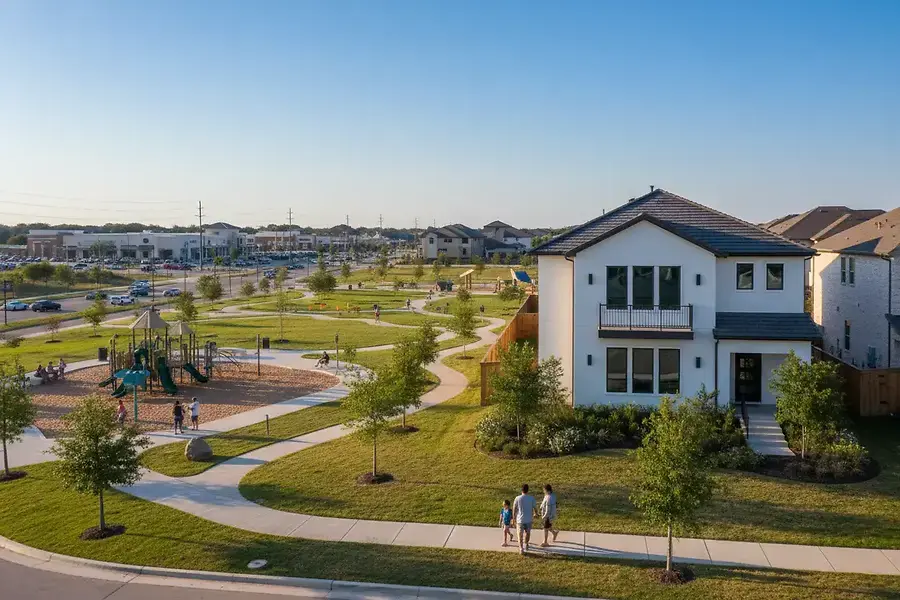
Modern homebuyers prioritize neighborhoods offering diverse amenities and lifestyle options. Properties in areas with the following features typically appreciate faster:
- Parks, trails, and recreational facilities
- Shopping centers and dining establishments
- Cultural attractions and entertainment venues
- Community centers and fitness facilities
- Green spaces and environmental quality
Neighborhoods that invest in amenities create desirable living environments that attract and retain residents, supporting sustained property value appreciation.
School District Quality and Educational Excellence
School district quality is one of the most significant factors influencing residential property values. Families with children prioritize homes in areas served by highly-rated schools, and this demand directly translates to higher property prices and faster appreciation rates.
Properties in top-performing school districts typically command 10-20% premiums compared to similar homes in lower-rated districts. This premium reflects the long-term value families place on educational quality and the broader implications for neighborhood stability and community investment.
Neighborhood Character and Community Development
Established neighborhoods with strong community identity and active neighborhood associations often experience more stable and predictable property appreciation. Community investment in maintenance, safety, and neighborhood improvements creates environments where property values thrive.
Neighborhoods that foster strong community connections and maintain high standards tend to outperform those lacking community engagement and investment.
Conclusion: Leveraging Market Knowledge for Your Real Estate Strategy
San Antonio's real estate market offers compelling opportunities for homebuyers and investors who understand the key drivers of property appreciation. By recognizing the importance of economic fundamentals, employment growth, population trends, and neighborhood-specific factors, you can make more informed decisions about where to invest and how to position your property for maximum value.
Key takeaways for maximizing your real estate strategy:
- Monitor employment trends and economic development in your target neighborhoods
- Consider proximity to major employment centers and transportation corridors
- Evaluate school district quality and community amenities
- Invest in neighborhoods showing signs of infrastructure development and population growth
- Maintain your property and neighborhood to support long-term value appreciation
Whether you're buying your first home, upgrading to a larger property, or building an investment portfolio, understanding these market dynamics positions you to make strategic decisions that align with your financial goals. San Antonio's continued growth and economic diversification suggest sustained opportunities for property appreciation, making it an attractive market for real estate investors and homeowners alike.


