What Every Bedford, NH Home Buyer Should Know About Inspections
Discover the critical inspection checklist that protects your investment and uncovers hidden issues before you commit.

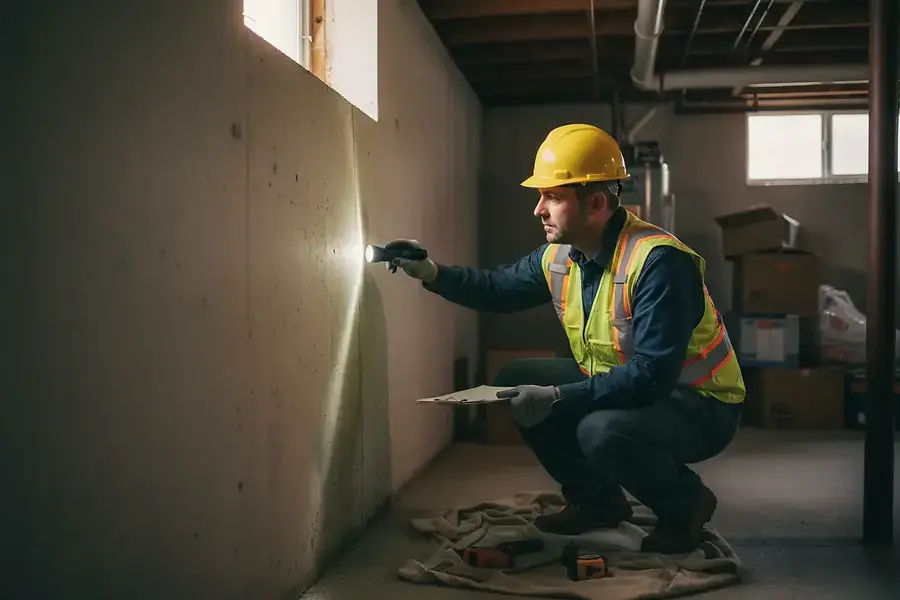
Why Home Inspections Matter in Bedford's Competitive Market
In today's fast-paced real estate market, home inspections have become more critical than ever for buyers in Bedford, NH. Whether you're purchasing a historic colonial or a modern suburban home, a thorough inspection can save you thousands of dollars in unexpected repairs and provide peace of mind before you sign on the dotted line.
Bedford's competitive housing market means properties often sell quickly, and buyers may feel pressured to make rapid decisions. However, skipping or rushing through a home inspection is a costly mistake. A professional inspector acts as your advocate, identifying issues that could affect your safety, comfort, and financial investment. From hidden water damage to outdated electrical systems, these experts uncover problems that untrained eyes might miss.
A comprehensive home inspection typically costs between $300 and $500, but it can prevent you from inheriting repair bills worth tens of thousands of dollars. In Bedford's market, where homes range from older properties with unique charm to newer developments, inspections are essential for understanding what you're truly buying.
Key Areas to Inspect: Foundation, Systems, and Structural Integrity
Foundation and Structural Components
The foundation is the literal backbone of any home. Inspectors carefully examine the foundation for cracks, settling, water intrusion, and signs of structural movement. In Bedford, where homes sit on various soil types and experience New England's freeze-thaw cycles, foundation issues are particularly important to catch early.
- Basement and crawl space conditions – Look for moisture, mold, and proper drainage
- Foundation cracks – Small hairline cracks are normal, but larger ones require attention
- Grading and drainage – Water should flow away from the foundation, not toward it
- Basement walls – Check for bowing, leaning, or water staining
Electrical, Plumbing, and HVAC Systems
These three systems are the lifeblood of your home's functionality and safety. Inspectors evaluate whether systems are up to code, functioning properly, and safe for occupancy.
- Electrical panel – Verify it's properly grounded and has adequate capacity for modern appliances
- Wiring and outlets – Check for outdated knob-and-tube wiring or aluminum wiring, which pose fire hazards
- Plumbing materials – Identify problematic materials like polybutylene pipes that may fail
- Water pressure and drainage – Test all fixtures to ensure proper function
- Heating and cooling systems – Assess age, condition, and efficiency of furnaces and air conditioning units
Roof, Attic, and Exterior
The roof protects everything beneath it, making its condition crucial. Inspectors examine roofing materials, flashing, gutters, and attic ventilation. They also assess the exterior for siding damage, window condition, and proper weatherproofing.
- Roof age and condition – Most roofs last 15-25 years; knowing the age helps budget for replacement
- Flashing and seals – Improper flashing around chimneys and vents causes leaks
- Gutters and downspouts – Ensure they direct water away from the foundation
- Attic ventilation – Proper ventilation prevents moisture buildup and extends roof life
Interior Conditions and Safety Features
Inspectors walk through every room, checking walls, ceilings, floors, doors, and windows. They verify that safety features like smoke detectors and carbon monoxide detectors are present and functional.
Red Flags and Deal-Breakers: What Inspectors Look For
While some issues are minor and easily fixed, others can be serious red flags that warrant further investigation or negotiation.
Major Concerns That Require Attention
Mold and water damage indicate moisture problems that can affect health and structural integrity. Asbestos, commonly found in older homes, requires professional remediation. Lead paint is a health hazard, especially for families with children, and must be managed carefully.
Outdated electrical systems like aluminum wiring or insufficient grounding pose fire risks. Plumbing issues such as galvanized pipes, polybutylene pipes, or sewage backup problems can be expensive to repair. Roof damage or age approaching the end of its lifespan means imminent replacement costs.
HVAC system failures can mean thousands in replacement costs. Foundation cracks or settling suggest structural problems that need professional evaluation. Pest infestations, particularly termites, can cause extensive damage.
When to Walk Away
Some inspection findings are deal-breakers. If a home has severe structural damage, extensive mold contamination, major foundation issues, or significant code violations, it may be wise to reconsider your offer. In Bedford's market, there are other homes available—don't let emotions override practical judgment.
Remember: A home inspection is your opportunity to make an informed decision. Use the findings to negotiate repairs, request credits, or walk away if necessary.
Making Informed Decisions with Inspection Insights
Once you receive your inspection report, take time to review it carefully. Not every finding requires immediate action—some issues are cosmetic or can be addressed over time. However, safety concerns and major system failures should be addressed before closing.
Use inspection findings to negotiate with the seller. You might request repairs, ask for credits toward repairs you'll handle yourself, or renegotiate the purchase price. In Bedford's competitive market, being prepared with inspection data gives you leverage in negotiations.
Consider hiring specialists for major concerns. If the inspector flags electrical, plumbing, or structural issues, getting a second opinion from a licensed contractor can clarify the severity and cost of repairs.
Finally, don't skip the walk-through with your inspector. Ask questions, take notes, and understand what you're seeing. This education helps you maintain your home properly after purchase and understand its unique characteristics.
A thorough home inspection is one of the smartest investments you can make as a Bedford homebuyer. It protects your financial investment, ensures your family's safety, and gives you the confidence to move forward with your purchase. In a competitive market, knowledge is power—and a professional inspection provides exactly that.