What Every Bloomington Home Buyer Should Know About Inspections
Learn what professional home inspectors look for and how to protect your investment before closing on a residential property.

Understanding the Home Inspection Process
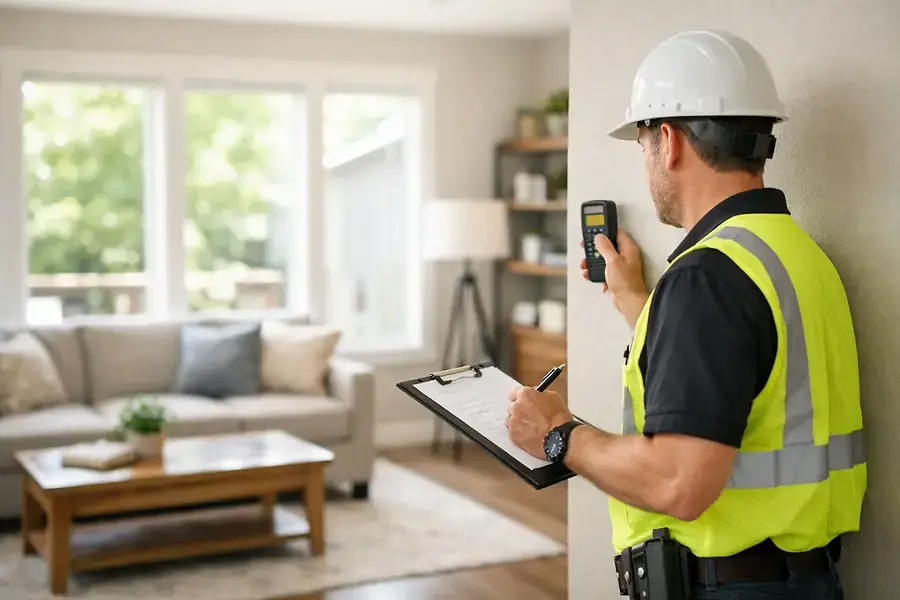
A home inspection is one of the most important steps in the home buying journey. This comprehensive evaluation by a licensed professional provides you with detailed information about the condition of your potential property. In Bloomington, most home inspections take between two to four hours, depending on the size and age of the home.
During the inspection, the professional will examine both the interior and exterior of the property, creating a detailed report that outlines the home's current condition. This report becomes your roadmap for negotiations and future maintenance planning. As a buyer, you have the right to be present during the inspection, and it's highly recommended that you attend to ask questions and gain firsthand knowledge about your investment.
What to Expect During Your Inspection
Your inspector will systematically evaluate the home's major systems and components. They'll check everything from the foundation to the roof, examining structural integrity, mechanical systems, and safety features. The inspector will document their findings with photographs and detailed notes, which become part of your official inspection report.
Remember that a home inspection is not a pass-or-fail evaluation. Instead, it's an informational tool that helps you understand what you're purchasing and what maintenance or repairs may be needed in the future.
Critical Areas Inspectors Evaluate
Structural Components
Inspectors carefully examine the foundation, walls, and overall structural integrity of the home. They look for signs of settling, cracks, water damage, or other issues that could affect the home's stability. The basement or crawl space receives particular attention, as these areas often reveal moisture problems or structural concerns.
Roofing and Exterior
The roof is one of your home's most critical protective barriers. Inspectors assess the roof's age, condition, and remaining lifespan. They also examine:
- Siding and exterior walls for damage or deterioration
- Windows and doors for proper sealing and functionality
- Gutters and downspouts for proper drainage
- Decks and patios for structural soundness
Mechanical Systems
The heating, cooling, and plumbing systems are vital to your home's comfort and functionality. Inspectors test these systems thoroughly to ensure they're operating properly. They'll evaluate:
- HVAC system age and efficiency
- Water heater condition and capacity
- Plumbing for leaks, corrosion, or inadequate water pressure
- Electrical system safety and capacity
Interior Conditions
Inspectors examine interior spaces for signs of water damage, mold, pest infestation, and other issues. They test appliances, check insulation levels, and assess the overall condition of walls, ceilings, and flooring. Attic spaces receive special attention, as they often reveal ventilation issues or hidden damage.
Red Flags and What They Mean for Your Purchase
Major Concerns
Some inspection findings are serious enough to warrant significant consideration. Foundation problems, roof damage requiring replacement, or failing septic systems are major red flags that could cost thousands to repair. These issues may affect your financing, insurance eligibility, or your decision to proceed with the purchase.
Moderate Issues
Issues like aging HVAC systems, outdated electrical panels, or minor water damage are concerning but manageable. These typically require budgeting for repairs or replacements within the next few years. You can often negotiate with the seller to address these issues before closing or request a credit toward repairs.
Minor Concerns
Small maintenance items like caulking needs, minor paint touch-ups, or worn weatherstripping are normal in any home. These are typically inexpensive fixes that you can address after closing. Don't let minor issues derail an otherwise sound purchase.
Understanding the Context
The age of the home matters significantly when interpreting inspection results. A 50-year-old home will naturally have more wear than a 10-year-old home. What's important is understanding the severity of issues and their impact on safety, functionality, and long-term value.
Taking Action: Next Steps After Your Inspection
Review the Report Carefully
Take time to thoroughly review your inspection report. Ask your inspector to clarify any findings you don't understand. Request photos and detailed explanations of significant issues. This knowledge empowers you to make informed decisions about your purchase.
Get Additional Inspections if Needed
If the general inspection reveals potential problems with specific systems, consider hiring specialists. A structural engineer, mold inspector, or pest control professional can provide expert evaluation of their respective areas. These additional inspections cost money upfront but can save you from costly surprises later.
Negotiate with the Seller
Use your inspection report as a negotiation tool. You have several options:
- Request the seller make repairs before closing
- Ask for a credit toward repairs you'll handle yourself
- Negotiate a lower purchase price to account for needed repairs
- Request the seller provide warranties for major systems
Plan for Future Maintenance
Even if the inspection reveals no major issues, use the report to create a maintenance plan. Understanding your home's systems and their expected lifespan helps you budget for future repairs and replacements. This proactive approach protects your investment and prevents small problems from becoming expensive emergencies.
Don't Skip the Inspection
A home inspection is not an optional luxury—it's an essential investment in your peace of mind and financial security.The cost of an inspection is minimal compared to the potential cost of discovering major problems after you've already closed on the property. Protect yourself by making a professional home inspection a non-negotiable part of your home buying process.
By understanding what inspectors evaluate and how to respond to their findings, you're taking control of your home buying experience. Armed with this knowledge, you can make confident decisions that protect your investment and ensure your new Bloomington home is a sound financial decision for years to come.


