What Every Blue Springs Home Buyer Should Know About Inspections
Master the critical steps to protect your investment before closing on your Blue Springs property.

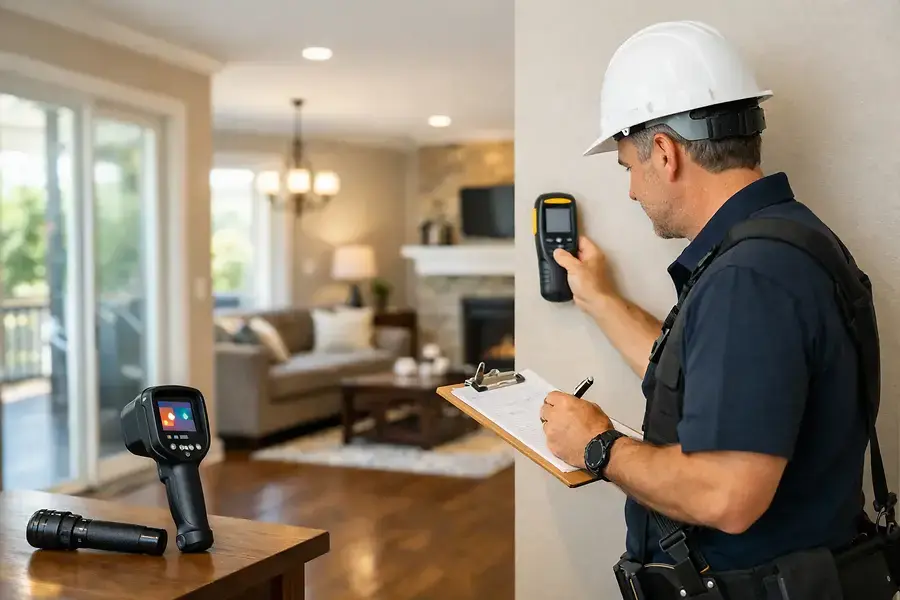
Why Home Inspections Matter in Blue Springs
Purchasing a home is one of the most significant financial decisions you'll make in your lifetime. In Blue Springs, where the real estate market is competitive and diverse, a professional home inspection is your best defense against costly surprises after closing. A thorough inspection provides you with detailed information about your property's condition, helping you make informed decisions and negotiate effectively.
Many first-time homebuyers underestimate the importance of inspections, viewing them as an optional expense. However, skipping this critical step could leave you vulnerable to expensive repairs and structural issues that could have been identified and addressed before purchase. An inspection typically costs between $300 and $500 but can save you thousands in unexpected repairs.
Key Areas Inspectors Examine in Missouri Homes
Structural Components
Professional inspectors begin by evaluating the foundation, walls, and overall structural integrity of your Blue Springs home. They look for cracks, settling, water damage, and signs of foundation movement. Missouri's climate and soil conditions can affect foundations over time, making this examination particularly important in our region.
Roofing and Exterior
The roof is one of your home's most critical protective barriers. Inspectors assess:
- Shingle condition and age
- Flashing around chimneys and vents
- Gutters and downspouts
- Exterior siding and caulking
- Windows and doors
A roof replacement can cost $10,000 or more, so understanding its remaining lifespan is essential for budgeting.
Plumbing Systems
Inspectors test water pressure, check for leaks, and examine pipes for corrosion or damage. They'll verify that the water heater functions properly and assess its age. In Blue Springs, older homes may have outdated plumbing that requires attention or replacement.
Electrical Systems
A comprehensive electrical inspection includes checking the panel, outlets, switches, and wiring. Inspectors look for outdated systems, improper installations, and safety hazards. This is particularly important in older Blue Springs properties that may not meet current electrical codes.
HVAC Systems
Your heating, ventilation, and air conditioning systems are vital for comfort and health. Inspectors evaluate furnace and air conditioning unit condition, age, and functionality. They also check ductwork and thermostat operation.
Interior Components
Inspectors examine walls, ceilings, floors, and insulation for damage or defects. They also check for signs of pest infestations, mold, or water damage that could indicate larger problems.
Red Flags and How to Negotiate After Inspection Results
Common Red Flags in Blue Springs Homes
Water Damage and Moisture Issues: Staining on ceilings, walls, or in basements indicates past or present water problems. This is especially concerning in Missouri where heavy rains are common.
Foundation Cracks: While minor cracks are normal, large or expanding cracks warrant professional evaluation and may indicate serious structural issues.
Outdated Electrical Systems: Knob-and-tube wiring or inadequate grounding poses safety risks and may affect insurance rates.
Roof Age: Roofs typically last 15-20 years. If your inspection reveals an aging roof, budget for replacement soon.
HVAC System Age: Systems older than 15 years may be inefficient and prone to failure.
Pest Infestations: Evidence of termites, rodents, or other pests requires immediate professional treatment.
Negotiation Strategies
Once you receive your inspection report, you have several options:
- Request Repairs: Ask the seller to fix identified issues before closing. This is most effective for significant problems.
- Request Credits: Negotiate a credit toward closing costs to handle repairs yourself after purchase.
- Request Price Reduction: Ask for a lower purchase price to account for necessary repairs.
- Walk Away: If issues are severe and extensive, you may choose to terminate the contract, depending on your inspection contingency.
When negotiating, prioritize major structural, safety, and system issues over cosmetic concerns. Sellers are more likely to address critical problems than minor aesthetic issues. Be reasonable in your requests—asking for perfection may cause negotiations to fail.
Working with Your Inspector
Attend the inspection if possible. This allows you to ask questions, understand issues firsthand, and learn about your home's systems. A good inspector will explain findings clearly and provide recommendations for addressing problems.
Pro Tip: Request a detailed written report that includes photos and descriptions of all findings. This documentation is valuable for negotiation and future reference.
Making Confident Offers with Inspection Confidence
Understanding the inspection process empowers you to make confident decisions in the Blue Springs real estate market. By knowing what to expect, recognizing red flags, and understanding your negotiation options, you protect your investment and avoid costly surprises.
Remember that no home is perfect. The goal of an inspection isn't to find a flawless property but to identify issues so you can make an informed decision. Whether you negotiate repairs, credits, or price adjustments, you're taking control of your home-buying experience.
Work with a qualified home inspector who has experience with Blue Springs properties and understands local building codes and climate-related concerns. Combined with a knowledgeable real estate agent and your own due diligence, a thorough inspection is your key to a successful, confident home purchase.
Your dream home in Blue Springs awaits—make sure you're fully informed before you sign on the dotted line.


