What Every Columbia Home Buyer Should Know About Inspections
Learn what professional inspectors evaluate and how to use inspection results to negotiate confidently in Columbia's residential market.

Understanding the Home Inspection Process in Columbia
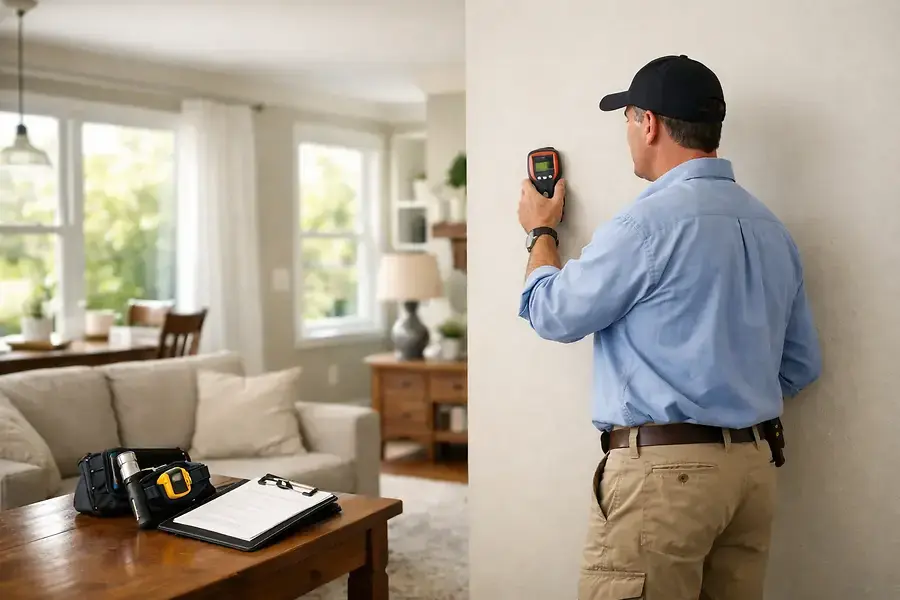
Buying a home is one of the most significant investments you'll make, and in Columbia's competitive real estate market, understanding the inspection process is crucial. A professional home inspection is a comprehensive evaluation of a property's physical condition, typically lasting two to three hours. During this time, a licensed inspector examines the structure, systems, and components of the home to identify any issues that could affect its value or safety.
In Columbia, most home inspections are contingent on the purchase agreement, meaning you have a specific window—usually 7 to 10 days—to conduct the inspection and review the results. This period is your opportunity to gather critical information about the property before committing to the purchase. The inspector will provide a detailed report documenting their findings, which becomes your roadmap for negotiations and decision-making.
What to Expect During the Inspection
When you hire a professional inspector, they'll walk through every accessible area of the home. You're encouraged to accompany them and ask questions. They'll examine the roof, foundation, plumbing, electrical systems, HVAC units, insulation, and more. The inspector takes photos and notes, which are compiled into a comprehensive report that you'll receive within 24 to 48 hours.
Critical Areas Inspectors Evaluate and Red Flags to Watch
Understanding what inspectors focus on helps you recognize potential problems early. Here are the key areas and red flags to monitor:
Structural Integrity
Inspectors examine the foundation, walls, and overall structure for cracks, settling, or water damage. Red flags include:
- Large or widening cracks in the foundation
- Bowing or leaning walls
- Water stains or evidence of flooding in basements
- Uneven or sloping floors
Roof and Exterior
The roof is one of the most expensive components to replace. Inspectors assess shingles, flashing, gutters, and overall condition. Watch for:
- Missing or damaged shingles
- Sagging roof lines
- Deteriorated caulking or flashing
- Gutter damage or improper drainage
Plumbing and Water Systems
Water-related issues can be costly and lead to mold growth. Inspectors check pipes, fixtures, water heaters, and drainage systems. Critical concerns include:
- Corroded or outdated pipes (galvanized or polybutylene)
- Low water pressure or slow drains
- Water heater age and condition
- Evidence of leaks or water damage
Electrical Systems
Outdated or faulty electrical systems pose safety risks. Inspectors evaluate the panel, wiring, outlets, and grounding. Red flags include:
- Outdated fuse boxes instead of circuit breakers
- Insufficient outlets or overloaded circuits
- Improper grounding or missing GFCI outlets
- Aluminum wiring (fire hazard)
HVAC Systems
Heating and cooling systems are essential for comfort and can be expensive to replace. Inspectors assess age, maintenance, and functionality. Watch for:
- Systems older than 15-20 years
- Inadequate maintenance records
- Rust or corrosion on units
- Improper installation or sizing
Negotiating Repairs and Using Inspection Results Strategically
Once you receive the inspection report, you have several options. Don't panic if issues are found—most homes have some problems. The key is determining which issues are deal-breakers and which are negotiable.
Prioritize Your Concerns
Categorize findings into three groups: critical issues (safety hazards or major system failures), significant issues (expensive repairs needed soon), and minor issues (cosmetic or low-cost fixes). Focus your negotiations on critical and significant items.
Get Repair Estimates
Before negotiating, obtain repair estimates from licensed contractors for major issues. This gives you concrete numbers to present to the seller. In Columbia's market, sellers often prefer to credit you at closing rather than make repairs themselves, giving you control over the work quality.
Negotiation Strategies
Request repairs: Ask the seller to fix critical issues before closing. This ensures work is done properly and protects your investment.
Request credits: Ask for a credit at closing to cover repair costs. This is often the preferred option in Columbia, allowing you to hire your own contractors.
Price reduction: Request a reduction in the purchase price to account for repairs and future maintenance.
"The inspection report is your negotiating tool. Use it strategically to address legitimate concerns without overreaching on minor issues."
Know When to Walk Away
If the inspection reveals extensive damage, structural problems, or multiple failing systems, it may be wise to reconsider the purchase. Your inspection contingency protects you—use it if the property doesn't meet your expectations or budget.
Moving Forward: Next Steps After Your Inspection Report
Review and Understand the Report
Take time to carefully read the entire inspection report. Ask your inspector to clarify any findings you don't understand. Request photos or additional documentation for significant issues.
Consult with Your Real Estate Agent
Your agent understands Columbia's market and can advise on negotiation strategies. They'll help you determine which issues are typical for homes in the area and which are genuine concerns.
Consider a Second Opinion
For major issues, consider hiring a specialist inspector (electrician, plumber, or structural engineer) to provide a detailed assessment. This investment often pays off by preventing costly surprises after closing.
Make Your Decision
Based on the inspection results and your negotiations, decide whether to proceed with the purchase, request repairs or credits, or walk away. Remember, this is your largest financial decision—don't rush it.
Home inspections are your safeguard in Columbia's real estate market. By understanding what inspectors evaluate, recognizing red flags, and negotiating strategically, you'll make informed decisions and protect your investment for years to come.