What Every DFW Homebuyer Should Know About Property Inspections
Learn what professional inspectors evaluate and how to protect your investment in North Texas properties.

Why Home Inspections Matter in DFW
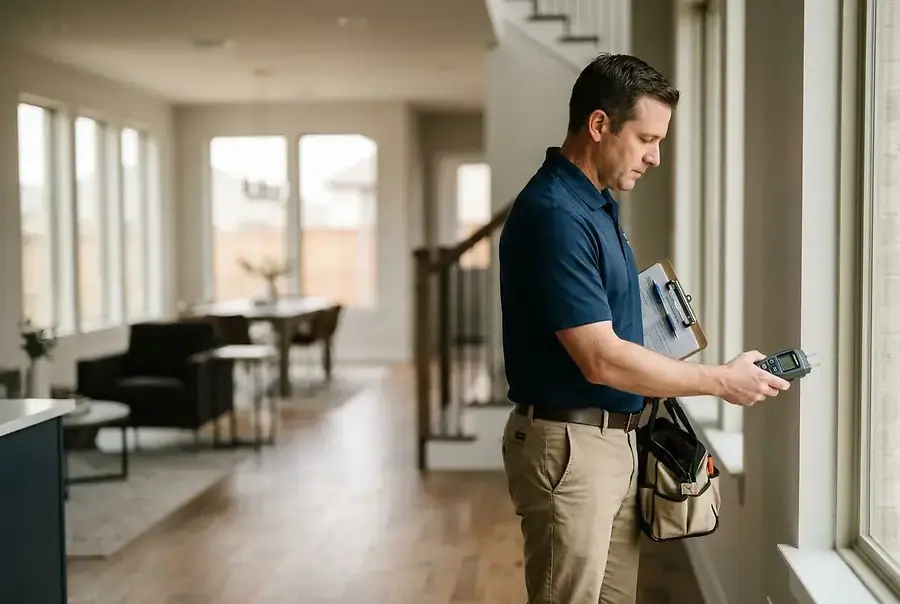
Purchasing a home is one of the most significant financial decisions you'll make, especially in the competitive Dallas-Fort Worth real estate market. A professional home inspection is your opportunity to uncover potential issues before you commit to the purchase. In North Texas, where properties range from historic homes to modern developments, inspections are critical for understanding what you're truly buying.
Many homebuyers underestimate the value of a thorough inspection. While the inspection contingency protects you legally, it's the detailed findings that give you real power in negotiations. An inspector acts as your advocate, identifying problems that might cost thousands to repair after closing.
Key Areas Inspectors Evaluate in North Texas Homes
Structural Components and Foundation
North Texas homes are built on clay soil, which can shift and cause foundation issues. Inspectors carefully examine:
- Foundation cracks and settling patterns
- Basement or crawl space conditions
- Wall alignment and floor levelness
- Evidence of previous foundation repairs
Why it matters: Foundation problems are expensive and can affect the home's resale value. Early detection allows you to get specialized foundation inspections before making your final decision.
Roofing and Exterior
The Texas sun and occasional severe weather take a toll on roofing materials. Inspectors evaluate:
- Roof age and remaining lifespan
- Shingle condition and potential leaks
- Gutters, downspouts, and drainage systems
- Siding, windows, and exterior caulking
- Attic ventilation and insulation
A roof replacement can cost $8,000 to $15,000 or more, making this assessment crucial for your budget planning.
HVAC Systems
In DFW, air conditioning is essential. Inspectors check:
- Age and condition of the AC unit
- Heating system functionality
- Ductwork integrity and sealing
- Thermostat operation
- Refrigerant levels and efficiency
Pro tip: Ask for maintenance records. A well-maintained system may have years of life remaining, while a neglected one might need replacement soon.
Plumbing and Water Systems
Water-related issues can cause significant damage. Inspectors examine:
- Water pressure and flow rates
- Pipe materials and condition (galvanized vs. copper)
- Water heater age and functionality
- Drainage systems and septic conditions
- Signs of leaks or water damage
Electrical Systems
Safety is paramount. Professional inspectors verify:
- Panel capacity and breaker conditions
- Grounding and bonding
- Outlet and switch functionality
- Presence of GFCI protection in wet areas
- Compliance with current electrical codes
Interior Conditions
Inspectors also assess:
- Drywall and paint condition
- Flooring integrity
- Door and window operation
- Appliance functionality
- Signs of pest infestation or mold
Red Flags and How to Negotiate After Inspection Results
Major Red Flags to Take Seriously
Foundation issues: Cracks wider than 1/4 inch, bowing walls, or uneven floors warrant a specialized foundation inspection. These repairs can be costly and complex.
Roof problems: If the roof is near the end of its lifespan or shows significant damage, budget for replacement or request a credit from the seller.
Electrical hazards: Outdated wiring, missing GFCI outlets, or overloaded panels pose safety risks and may require upgrades.
Water damage or mold: These indicate moisture problems that could affect your health and the home's structural integrity.
HVAC failure: A non-functional air conditioning system in Texas is a serious issue requiring immediate attention.
Negotiation Strategies
After receiving the inspection report, you have several options:
- Request repairs: Ask the seller to fix major issues before closing. This ensures licensed professionals handle the work.
- Request credits: Request a credit toward closing costs to handle repairs yourself after purchase.
- Request a price reduction: Negotiate a lower purchase price to account for necessary repairs.
- Walk away: If issues are too extensive or costly, you can terminate the contract during the inspection period.
Remember: The inspection period is your window to make an informed decision. Use it wisely to protect your investment.
Working with Your Inspector
Choose a licensed, experienced inspector who knows DFW properties. During the inspection, attend if possible to ask questions and understand the findings firsthand. Request a detailed written report with photos and recommendations for repairs or further evaluation.
Making Informed Decisions Before Closing
A professional home inspection is an investment in peace of mind. It provides you with concrete information to make confident decisions about one of your largest purchases. In the DFW market, where competition is fierce, a thorough inspection protects you from inheriting someone else's problems.
Don't skip the inspection to save money or speed up the process. The few hundred dollars spent on an inspection can save you thousands in unexpected repairs and provide valuable leverage in negotiations. Armed with detailed inspection findings, you'll close on your North Texas home with confidence, knowing exactly what you're getting and what to expect.
Take action: Schedule your home inspection early in the contract period, review the report carefully, and don't hesitate to ask questions or request further evaluations for any concerns. Your future self will thank you.