What Every Duluth Home Buyer Needs to Know About Inspections
Essential steps to protect your investment when purchasing residential property in Duluth, GA.

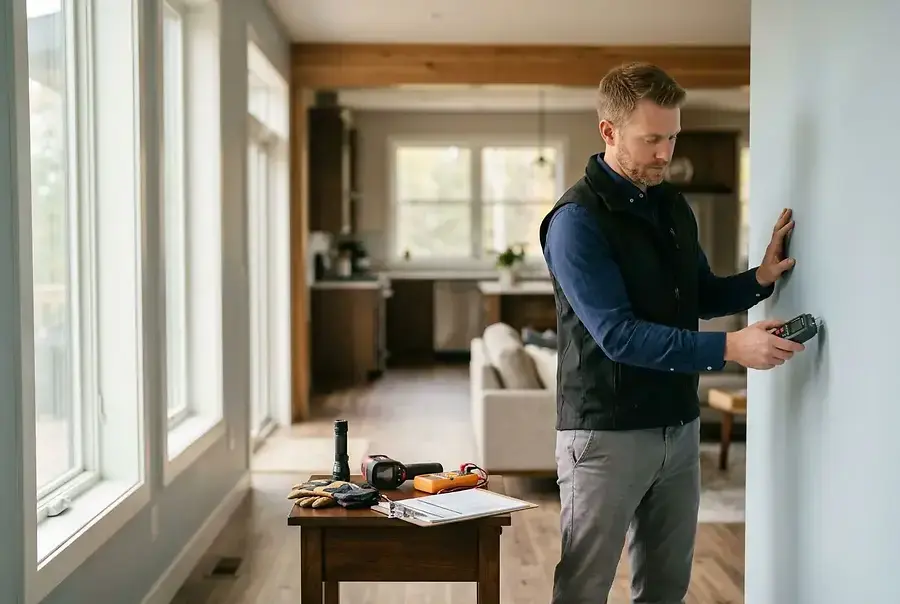
Why Professional Home Inspections Matter in Duluth
Purchasing a home is one of the most significant financial decisions you'll make in your lifetime. In Duluth, GA, where the real estate market continues to grow, protecting your investment through a professional home inspection is absolutely essential. A thorough inspection can reveal hidden problems that might cost thousands of dollars to repair after you've already closed on the property.
Professional home inspectors bring expertise that the average buyer simply doesn't possess. They understand the specific challenges that homes in the Duluth area face, from humidity-related issues to foundation concerns common in Georgia's climate. By hiring a certified inspector, you're investing in peace of mind and making an informed decision about one of your biggest purchases.
The inspection process typically takes 2-3 hours and provides you with a detailed report documenting the condition of every major system in the home. This report becomes your roadmap for negotiations and future maintenance planning.
Key Areas to Evaluate During Your Home Inspection
Structural Integrity and Foundation
The foundation is the backbone of any home. Inspectors will look for cracks, settling, or water damage that could indicate serious structural problems. In Duluth's climate, foundation issues can develop over time due to soil movement and moisture exposure.
Roofing and Exterior
Your roof protects everything beneath it. Inspectors evaluate:
- Shingle condition and remaining lifespan
- Flashing around chimneys and vents
- Gutters and downspout functionality
- Exterior siding for damage or deterioration
- Windows and doors for proper sealing
HVAC Systems
Heating, ventilation, and air conditioning systems are critical in Georgia's climate. Inspectors test these systems thoroughly to ensure they're functioning properly and estimate their remaining useful life. A failing HVAC system can be one of the most expensive repairs a homeowner faces.
Plumbing and Water Systems
Inspectors check for:
- Water pressure and flow
- Pipe material and condition
- Signs of leaks or water damage
- Water heater age and functionality
- Drainage systems and septic conditions (if applicable)
Electrical Systems
Electrical safety is paramount. Inspectors verify that the electrical panel is properly sized, all outlets are grounded, and there are no fire hazards. Outdated wiring or overloaded circuits can pose serious safety risks.
Interior Components
Don't overlook the interior details. Inspectors examine insulation, drywall condition, flooring, and built-in appliances. They also check for signs of pest damage, mold, or previous water intrusion that might not be immediately visible.
Red Flags and How to Negotiate After Inspection Results
Common Red Flags in Duluth Homes
Certain issues should raise immediate concerns:
- Water damage or mold: These indicate moisture problems that can affect your health and the home's structural integrity
- Outdated electrical systems: Knob-and-tube wiring or insufficient panel capacity is a safety hazard
- Roof age: Roofs nearing the end of their lifespan will need replacement soon
- Foundation cracks: Especially those that are widening or accompanied by other structural issues
- HVAC system failure: Replacement costs can exceed $5,000-$10,000
- Pest infestation: Termites and other pests can cause extensive damage
Negotiation Strategies
Once you receive your inspection report, you have several options. Don't panic if issues are found—this is exactly why inspections exist. You can:
- Request repairs: Ask the seller to fix critical issues before closing
- Request credits: Have the seller provide funds to cover repairs you'll handle yourself
- Renegotiate the price: Adjust the purchase price to reflect the cost of necessary repairs
- Walk away: If issues are too severe, you may decide the property isn't worth the investment
The key is having professional documentation of the problems. Your inspector's report gives you leverage in negotiations and protects you from disputes later.
Working with Your Real Estate Agent
Your real estate agent can be invaluable during this phase. They understand local market conditions and can advise you on reasonable requests based on comparable properties and repair costs in the Duluth area.
Moving Forward: Next Steps After Your Inspection
Review and Understand Your Report
Take time to carefully read your inspection report. Ask your inspector questions about anything you don't understand. Many inspectors offer follow-up consultations to clarify findings.
Get Additional Inspections if Needed
If the general inspection reveals potential issues with specific systems, consider hiring specialists:
- Pest inspectors for termite concerns
- Mold specialists if moisture issues are suspected
- Structural engineers for foundation concerns
- HVAC technicians for system evaluation
Plan for Future Maintenance
Even if no major issues are found, your inspection report provides valuable information about the home's systems and their expected lifespan. Use this information to budget for future maintenance and replacements.
Keep Documentation
Save your inspection report and any additional specialist reports. These documents are valuable for future reference, warranty claims, and when you eventually sell the home.
A professional home inspection isn't an expense—it's an investment in your peace of mind and financial security.
Final Thoughts
Buying a home in Duluth is an exciting milestone, but it requires due diligence. A professional home inspection is your opportunity to make an informed decision and protect your investment. By understanding what inspectors look for, recognizing red flags, and knowing how to negotiate, you'll be well-equipped to navigate the home buying process with confidence. Don't skip this critical step—your future self will thank you.


