What Every Elko Home Buyer Should Know About Property Inspections
Learn what professional home inspectors look for and how to protect your investment before closing.

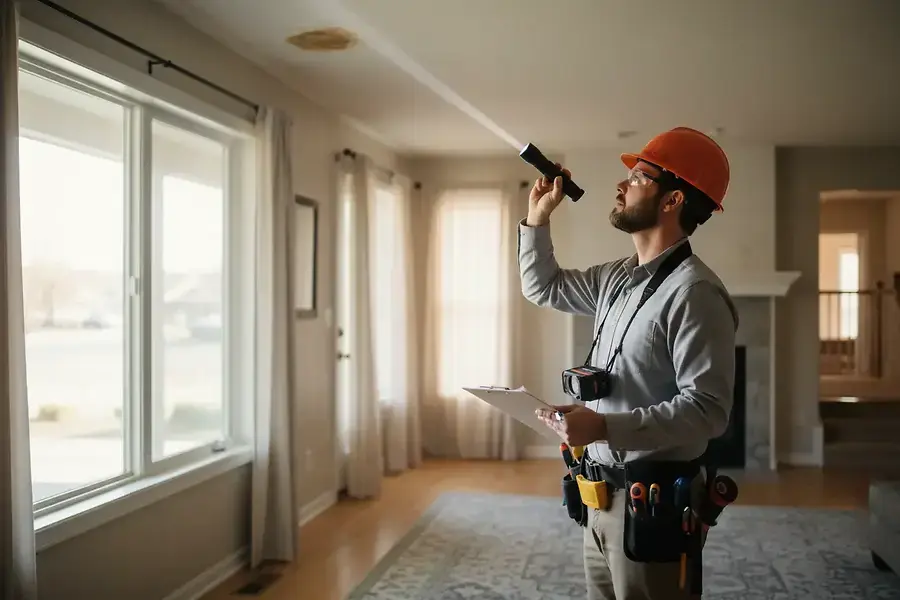
Understanding the Home Inspection Process in Elko
Purchasing a home is one of the most significant investments you'll make in your lifetime. In Elko, Nevada, a professional home inspection is a critical step in the buying process that can save you thousands of dollars in unexpected repairs and maintenance costs. A home inspection is a comprehensive evaluation of a property's physical structure and systems, conducted by a licensed professional inspector.
The inspection typically takes between two to four hours, depending on the size and condition of the property. During this time, the inspector will examine everything from the foundation to the roof, documenting their findings in a detailed report. As a buyer, you have the right to be present during the inspection, and many experts recommend doing so. This allows you to ask questions, understand potential issues, and learn about the property's maintenance needs firsthand.
In Elko's climate, inspectors pay special attention to how properties handle the region's temperature fluctuations and seasonal changes. Understanding this process empowers you to make informed decisions about your purchase and negotiate repairs or credits before closing.
Key Areas Inspectors Examine in Nevada Residential Properties
Structural Components
Professional inspectors begin by evaluating the home's foundation, framing, and overall structural integrity. They look for signs of settling, cracks, water damage, and pest infestations. In Nevada properties, inspectors are particularly vigilant about foundation issues that can develop due to soil composition and climate conditions.
Roofing and Exterior
The roof is one of the most expensive components to replace, so inspectors examine shingles, flashing, gutters, and drainage systems. They also assess the condition of siding, windows, doors, and any visible exterior damage. Elko's weather patterns mean inspectors look for signs of weathering and proper water management.
Plumbing Systems
Inspectors test water pressure, check for leaks, examine pipe materials, and verify that the water heater is functioning properly. They also inspect the septic system or municipal connections, depending on the property type. Proper plumbing is essential for preventing costly water damage.
Electrical Systems
A thorough electrical inspection includes checking the main panel, outlets, switches, and wiring. Inspectors ensure the system meets current safety codes and can handle the home's electrical demands. Outdated or faulty electrical systems pose serious safety risks.
HVAC and Climate Control
Heating and cooling systems are tested for proper operation and efficiency. Inspectors check furnaces, air conditioners, thermostats, and ductwork. Given Elko's temperature extremes, a well-functioning HVAC system is crucial for comfort and energy efficiency.
Interior Components
Inspectors examine walls, ceilings, floors, and insulation. They look for water stains, mold, pest damage, and structural issues. Kitchens and bathrooms receive special attention due to their complexity and the potential for water-related problems.
How Inspection Reports Influence Your Purchase Decision
Once the inspection is complete, you'll receive a detailed report outlining all findings. This document becomes a powerful tool in your negotiation arsenal. The report categorizes issues by severity, helping you understand which problems require immediate attention and which are minor cosmetic concerns.
Interpreting the Report
Home inspection reports typically use a rating system or descriptive language to classify issues. Critical items are those that pose safety risks or require immediate repair. Major concerns involve significant systems that may fail soon. Minor issues are cosmetic or maintenance-related problems that don't affect the home's safety or functionality.
Using the Report for Negotiations
Armed with the inspection report, you have several options:
- Request the seller make repairs before closing
- Negotiate a credit toward repairs you'll handle yourself
- Ask for a price reduction to account for necessary work
- Walk away from the deal if issues are too extensive
The inspection report gives you leverage in negotiations and protects you from purchasing a property with hidden problems. Many buyers use inspection findings to renegotiate their offer, especially when significant issues are discovered.
Taking Action on Inspection Findings: Next Steps for Buyers
Prioritize Issues by Urgency
Not all inspection findings require immediate action. Focus first on safety-critical issues like electrical problems, structural damage, or mold. These should be addressed before you move in. Secondary concerns like cosmetic repairs or minor maintenance can be scheduled later.
Obtain Repair Estimates
For significant issues, get quotes from licensed contractors in Elko. These estimates help you understand the true cost of repairs and strengthen your negotiating position. Don't rely solely on the inspector's assessment—professional contractors can provide accurate pricing.
Request a Second Inspection
If the inspection reveals major issues, consider hiring a specialist inspector. For example, a structural engineer can assess foundation problems, or a pest control expert can evaluate termite damage. These specialized inspections provide detailed information for critical decisions.
Review Your Options
After reviewing the inspection report and repair estimates, you can:
- Proceed with the purchase as-is
- Request seller repairs with contractor oversight
- Negotiate a price reduction
- Request a credit at closing for repairs
- Withdraw from the purchase if issues are unacceptable
Plan for Future Maintenance
Even if the inspection reveals no major problems, use the report as a maintenance guide. The inspector's findings highlight areas that need attention in the coming years. Creating a maintenance schedule helps prevent small issues from becoming expensive problems.
Remember: A home inspection is an investment in your peace of mind and financial security. It's not about finding reasons to back out of a deal—it's about understanding exactly what you're purchasing and making informed decisions. By taking the inspection process seriously and acting on the findings, you protect your investment and ensure you're making the best possible decision for your family's future in Elko.