What Every Fallon Home Buyer Should Know About Property Inspections
Learn what to look for during home inspections to protect your investment and avoid costly surprises.

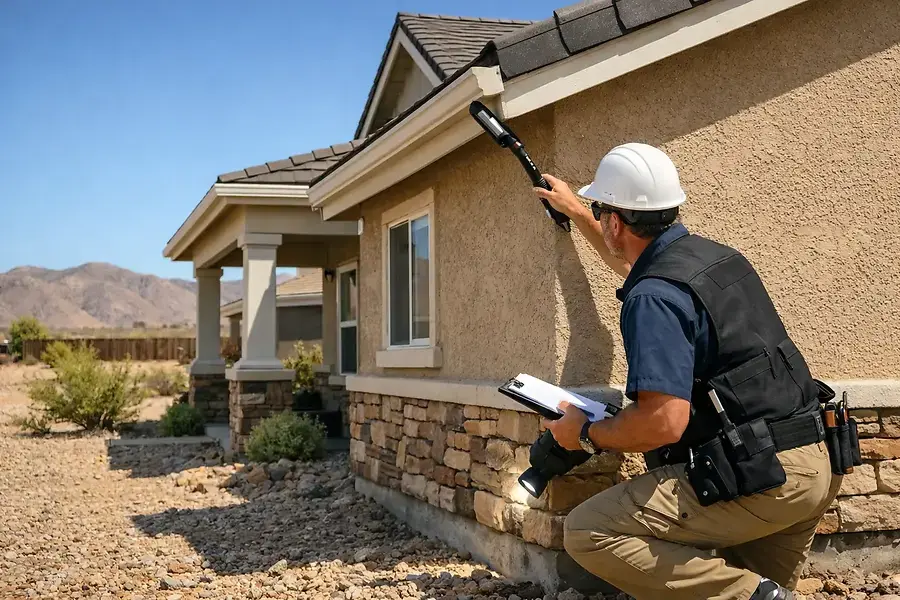
Introduction: Why Professional Home Inspections Matter in Fallon
Purchasing a home is one of the most significant financial decisions you'll make in your lifetime. In Fallon, Nevada, where properties range from historic homes to modern developments, a professional home inspection is not just recommended—it's essential. A thorough inspection can reveal hidden problems that could cost thousands of dollars to repair, giving you the knowledge needed to make an informed decision about your investment.
Many first-time homebuyers underestimate the importance of inspections, viewing them as an optional expense. However, skipping this crucial step can lead to discovering major issues after closing, when you're responsible for all repairs. A qualified home inspector serves as your advocate, examining every aspect of the property and providing a detailed report that protects your interests.
Key Areas to Evaluate During a Residential Property Inspection
Structural Integrity and Foundation
The foundation is the backbone of any home. Inspectors will examine the foundation for cracks, settling, or water damage. In Fallon's climate, where temperature fluctuations can stress building materials, foundation issues are particularly important to identify early. Look for signs of uneven floors, cracks in walls, or doors that don't close properly—these can indicate foundation problems.
Roofing and Exterior
Your roof protects everything beneath it, making its condition critical. Inspectors evaluate:
- Shingle condition and age
- Flashing around chimneys and vents
- Gutters and downspouts
- Exterior walls and siding for damage or deterioration
- Windows and doors for proper sealing
A roof nearing the end of its lifespan may require replacement within a few years, which is an expensive undertaking you should factor into your offer.
Plumbing Systems
Water damage is one of the costliest issues homeowners face. Inspectors test water pressure, check for leaks, examine pipe materials, and assess the water heater's condition. They'll also evaluate the septic system if the property isn't connected to municipal sewer lines—common in some Fallon areas.
Electrical Systems
A comprehensive electrical inspection ensures your home meets current safety codes. Inspectors check the panel, wiring, outlets, and grounding. Outdated electrical systems or improper installations can pose fire hazards and may require costly upgrades.
HVAC and Climate Control
Heating and cooling systems are essential in Fallon's desert climate. Inspectors evaluate furnace and air conditioning units for age, efficiency, and proper operation. Understanding the condition of these systems helps you budget for potential replacements.
Interior Spaces and Appliances
Inspectors examine walls, ceilings, and floors for water damage, mold, or structural issues. They test built-in appliances and check for proper ventilation in bathrooms and kitchens. These details might seem minor, but they affect your home's livability and resale value.
Red Flags and Warning Signs Every Buyer Should Know
Water Damage and Mold
Water stains on ceilings or walls, musty odors, or visible mold growth are serious red flags. These issues indicate past or present moisture problems that can compromise structural integrity and pose health risks. Don't ignore these signs—they require professional remediation.
Pest Infestations
Evidence of termites, rodents, or other pests should concern any buyer. Termite damage, in particular, can be extensive and expensive to treat. Look for droppings, damaged wood, or pest control company reports during your inspection.
Outdated or Unsafe Electrical Systems
Aluminum wiring, knob-and-tube wiring, or an overloaded electrical panel are dangerous. These systems may not support modern appliance usage and could require complete replacement—a significant expense.
Roof Issues
A roof that's more than 20 years old, shows missing shingles, or has significant leaks will likely need replacement soon. This is one of the most expensive home repairs, so factor this into your decision.
Foundation Cracks and Settlement
While minor cracks are normal, large or expanding cracks warrant professional evaluation. Horizontal cracks or those wider than a quarter-inch may indicate serious structural problems requiring expensive repairs.
Inadequate Insulation or Ventilation
Poor insulation leads to high energy bills, especially in Fallon's extreme temperatures. Inadequate attic ventilation can cause premature roof deterioration and moisture problems. These issues affect both comfort and long-term maintenance costs.
Plumbing Problems
Low water pressure, slow drains, or visible leaks suggest plumbing issues. Older homes may have corroded pipes that need replacement. Septic system problems are particularly costly to address.
Conclusion: Making Informed Decisions with Inspection Knowledge
A professional home inspection is your opportunity to understand exactly what you're buying. Armed with detailed inspection information, you can negotiate repairs or credits with the seller, budget for future maintenance, or make an informed decision to walk away if issues are too significant.
Remember: the inspection period is your chance to investigate thoroughly before committing to the purchase. Don't rush through this process or skip important questions. Work with a qualified inspector who understands Fallon's unique climate and construction styles, and take time to review the complete inspection report.
By prioritizing a comprehensive home inspection, you're protecting your investment and ensuring that your new Fallon home is a sound financial decision for years to come. Your future self will thank you for the diligence you show today.


