What Every Fort Worth Home Buyer Should Know About Inspections
Learn what professional inspectors look for and how to protect your investment before closing.

Understanding the Home Inspection Process in Fort Worth
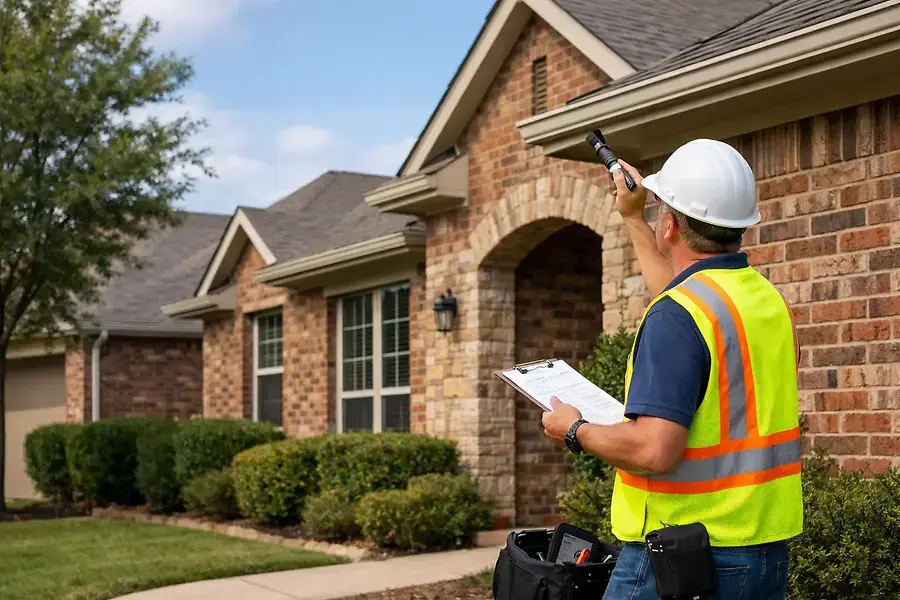
Purchasing a home is one of the largest investments you'll make in your lifetime. In Fort Worth, a professional home inspection is a critical step in the buying process that can save you thousands of dollars in unexpected repairs and provide peace of mind before closing. A home inspection is a thorough examination of a property's condition, typically conducted by a licensed inspector who evaluates the structural integrity, systems, and overall safety of the home.
The inspection process typically takes 2-4 hours depending on the size and age of the property. As the buyer, you have the right to be present during the inspection, and it's highly recommended that you attend. This gives you the opportunity to ask questions, understand potential issues, and learn about the home's systems and maintenance requirements.
What to Expect During Your Inspection
Your inspector will walk through every accessible area of the home, taking notes and photographs. They'll test systems, open cabinets, check for water damage, and document their findings in a detailed report. The inspection is non-invasive, meaning inspectors won't remove walls or dig into the property, but they will look for visible signs of problems that could affect the home's value or safety.
Key Areas Inspectors Examine and Why They Matter
Structural Components
Inspectors evaluate the foundation, walls, roof, and overall structural integrity of the home. Issues with the foundation can be extremely costly to repair, making this one of the most important areas of inspection. Look for cracks in the foundation, signs of settling, or water intrusion that could indicate structural problems.
Roofing and Exterior
The roof protects your entire home from the elements. Inspectors check for:
- Missing or damaged shingles
- Proper drainage and gutters
- Signs of leaks or water damage
- Flashing around chimneys and vents
- Overall roof age and remaining lifespan
A roof replacement can cost $10,000 or more, so understanding its condition is crucial.
Plumbing Systems
Inspectors test water pressure, check for leaks, examine pipes for corrosion, and verify that drains function properly. They'll also assess the water heater's age and condition. Plumbing issues can lead to water damage and mold, making this a critical area of focus.
Electrical Systems
A thorough electrical inspection includes checking the panel, outlets, switches, and wiring. Outdated or faulty electrical systems pose serious safety risks and may need upgrading to meet current codes. This is especially important in older Fort Worth homes.
HVAC Systems
Heating and cooling systems are essential for comfort and can be expensive to replace. Inspectors evaluate the furnace, air conditioner, ductwork, and thermostat to ensure they're functioning properly and efficiently.
Interior Conditions
Inspectors examine walls, ceilings, floors, windows, doors, and insulation. They look for signs of water damage, mold, pest infestation, and other issues that could affect the home's habitability and value.
Red Flags and How to Respond to Inspection Results
Understanding Severity Levels
Not all inspection findings are created equal. Some issues are minor cosmetic concerns, while others could be serious safety hazards or expensive repairs. Your inspector's report will typically categorize findings by severity, helping you prioritize which issues matter most.
Common Red Flags in Fort Worth Homes
Be particularly cautious about:
- Foundation cracks or settling – Can indicate serious structural problems
- Roof damage or age – Replacement is a major expense
- Water damage or mold – Health hazard and sign of moisture problems
- Outdated electrical systems – Safety risk and potential code violations
- HVAC system failure – Expensive to replace
- Plumbing issues – Can lead to water damage and costly repairs
How to Respond
Once you receive the inspection report, you have several options:
- Request repairs: Ask the seller to fix major issues before closing
- Request credits: Ask for a credit toward closing costs to handle repairs yourself
- Renegotiate price: Use inspection findings to justify a lower offer price
- Walk away: If issues are too severe or costly, you may choose to cancel the purchase
Pro Tip: Always have a qualified contractor provide estimates for major repairs. This gives you concrete numbers to use in negotiations with the seller.
Moving Forward: Using Inspection Reports in Your Offer
Inspection Contingencies
Most purchase agreements in Fort Worth include an inspection contingency, which allows you to cancel the contract if significant issues are discovered. This contingency typically lasts 7-10 days, giving you time to review the report and decide how to proceed.
Negotiation Strategy
Use your inspection report as a negotiation tool. Focus on major issues that affect safety, structural integrity, or significant repair costs. Minor cosmetic issues are typically not worth negotiating over and can actually weaken your position on more important matters.
Building Your Home Maintenance Plan
Even if the inspection reveals no major issues, the report provides valuable information about your home's systems and maintenance needs. Keep the report for future reference and use it to:
- Schedule preventative maintenance
- Plan for future replacements (roof, HVAC, water heater)
- Understand warranty information for systems and appliances
- Document the home's condition for insurance purposes
Final Thoughts
A professional home inspection is your opportunity to make an informed decision about one of the biggest purchases of your life. By understanding what inspectors look for, recognizing red flags, and using the inspection report strategically, you can protect your investment and avoid costly surprises after closing. Don't skip this crucial step in the home buying process—it's an investment that pays for itself many times over.


