What Every Greenwood Home Buyer Should Know About Inspections
Learn what experienced inspectors look for and how to protect your investment before closing.

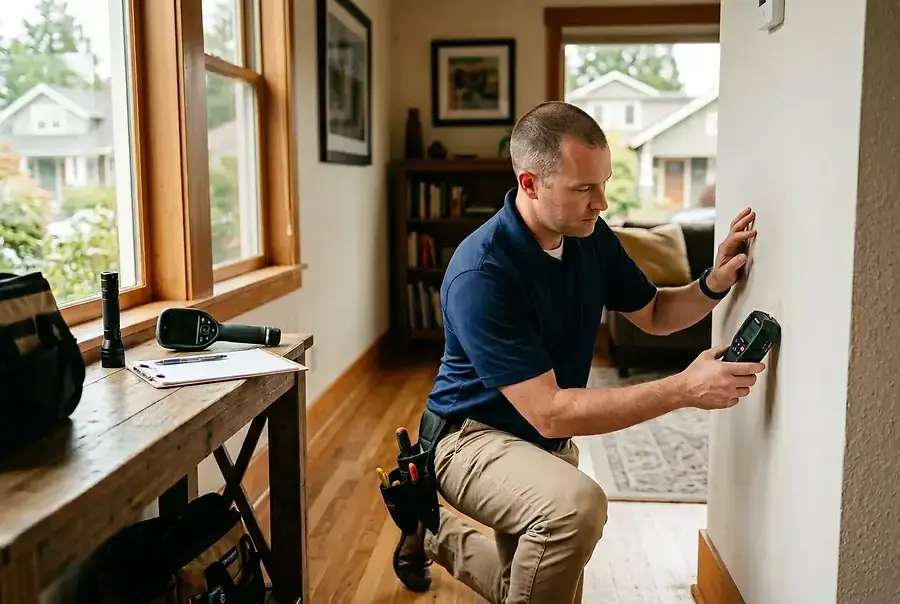
Understanding the Home Inspection Process
A home inspection is one of the most critical steps in the home-buying journey. This comprehensive evaluation of a property's condition can reveal potential issues that might not be visible to the untrained eye. In Greenwood, experienced home inspectors typically spend 2-4 hours examining every aspect of a property, from the foundation to the roof.
During the inspection, you have the right to be present and ask questions. Many buyers find this invaluable, as it allows them to understand the property's condition firsthand and learn about maintenance requirements. The inspector will provide a detailed written report documenting their findings, which becomes crucial evidence in negotiations.
Why inspections matter: They protect your investment by identifying costly repairs before you commit to the purchase. Without an inspection, you could inherit unexpected expenses that significantly impact your financial situation.
Key Areas Inspectors Evaluate in Greenwood Homes
Structural Components
Inspectors carefully examine the foundation, walls, and overall structural integrity. In Greenwood, where homes vary in age and construction style, this is particularly important. They look for cracks, settling issues, and signs of water damage that could indicate serious problems.
Roofing and Exterior
The roof is one of your home's most expensive components. Inspectors assess shingle condition, flashing integrity, and signs of leaks. They also evaluate siding, gutters, and drainage systems to ensure water is properly directed away from the foundation.
Plumbing Systems
Water pressure, pipe materials, and drainage efficiency are all examined. Inspectors test fixtures throughout the home and look for signs of leaks, corrosion, or outdated materials that may need replacement soon.
Electrical Systems
The inspection includes checking the panel, outlets, switches, and wiring. Outdated or unsafe electrical systems are a serious concern and can be expensive to upgrade. Inspectors verify that the system meets current safety standards.
HVAC and Appliances
Heating, cooling, and ventilation systems are tested for proper operation. Inspectors also evaluate major appliances included in the sale, noting their age and condition. These systems represent significant replacement costs if they fail.
Interior Elements
Walls, ceilings, floors, windows, and doors are inspected for damage, functionality, and signs of moisture intrusion. Inspectors also check for proper insulation and ventilation in attics and crawl spaces.
Red Flags and How to Respond to Inspection Findings
Understanding the Report
Inspection reports typically categorize findings as major, minor, or informational. Major issues require immediate attention and can significantly affect the home's value. Minor issues are usually cosmetic or involve routine maintenance. Informational items are simply notes about the property.
Common Red Flags in Greenwood Homes
- Water damage and mold: These indicate moisture problems that can worsen over time and affect health
- Foundation cracks: Depending on severity, these can signal structural issues requiring professional assessment
- Outdated electrical systems: Knob-and-tube wiring or insufficient capacity may need costly upgrades
- Roof damage: Missing shingles or significant wear may mean replacement is imminent
- Plumbing issues: Galvanized pipes, poor drainage, or signs of leaks warrant investigation
- HVAC concerns: Systems nearing the end of their lifespan will require replacement soon
Responding to Findings
Once you receive the inspection report, you have several options. You can request repairs from the seller, ask for credits to handle repairs yourself, or renegotiate the price based on the findings. Some buyers choose to accept the property as-is if the issues are minor or manageable.
Pro tip: Obtain quotes from licensed contractors for major repairs before negotiating. This gives you concrete numbers to work with and demonstrates you're serious about addressing issues.
Moving Forward: Using Inspection Results in Your Purchase Decision
Making an Informed Decision
The inspection report is your roadmap for decision-making. Review it carefully with your real estate agent and consider the long-term implications of any issues discovered. Ask yourself: Can I afford these repairs? Am I comfortable with this property's condition? Is the price fair given the findings?
Negotiation Strategies
Armed with inspection findings, you're in a stronger negotiating position. Be reasonable in your requests—sellers are more likely to accommodate reasonable repair requests than unrealistic demands. Focus on major issues that affect safety, functionality, or long-term value.
Consider the seller's perspective as well. They may have already factored some issues into their asking price, or they may be unaware of problems. A professional, respectful approach to negotiations often yields better results.
Planning for Future Maintenance
Even if you move forward with the purchase, the inspection report serves as a maintenance guide. Note the age of major systems and plan for future replacements. This proactive approach helps you budget for inevitable expenses and avoid surprises down the road.
Remember: A home inspection isn't about finding reasons to walk away—it's about making an informed decision and protecting your investment. Use the information wisely to negotiate fairly and plan for your home's future.
Final Thoughts
Home inspections are an essential part of the buying process in Greenwood. They provide peace of mind and valuable information that can save you thousands of dollars. By understanding what inspectors look for, recognizing red flags, and using inspection results strategically, you'll be well-equipped to make a confident, informed decision about your home purchase.


