What Every Home Buyer in Sheffield, OH Should Know About Inspections
Learn what to look for during inspections to protect your investment and negotiate confidently.

Why Home Inspections Matter in Sheffield's Real Estate Market
Purchasing a home is one of the most significant financial decisions you'll make in your lifetime. In Sheffield, OH, where the real estate market continues to evolve, a professional home inspection is not just a formality—it's your safeguard against costly surprises. A thorough inspection can reveal hidden issues that could cost thousands of dollars to repair after you've already closed on the property.
Home inspections serve as an objective assessment of a property's condition. They provide you with detailed information about the home's systems, structure, and overall integrity. This knowledge empowers you to make informed decisions, negotiate repairs or credits with sellers, and plan for future maintenance expenses. Without a proper inspection, you could be inheriting problems that weren't immediately visible during your walkthrough.
The inspection process typically takes 2-4 hours and covers multiple areas of the home. A qualified inspector will document their findings in a comprehensive report that becomes your roadmap for understanding the property's true condition.
Critical Areas to Evaluate: Foundation, Systems, and Structural Integrity
Foundation and Structural Elements
The foundation is the backbone of any home. During your inspection, pay close attention to:
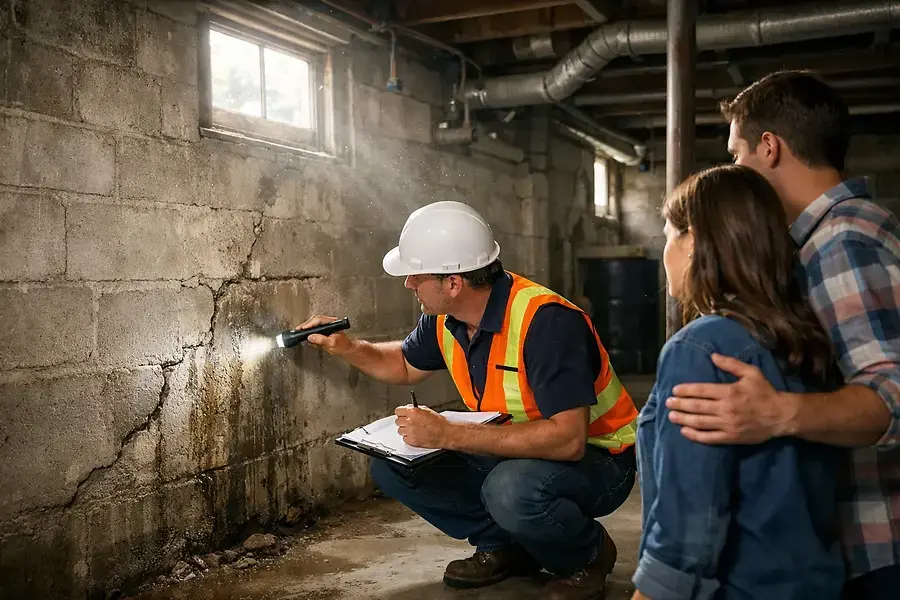
- Visible cracks in the foundation walls or basement floors
- Signs of water intrusion or moisture damage
- Uneven or sloping floors that might indicate settling issues
- Gaps between walls and the foundation
Foundation problems can be expensive to repair, so this is one area where you should never compromise. If significant issues are found, consider hiring a structural engineer for a second opinion before proceeding.
Roof and Exterior
The roof protects everything beneath it, making its condition critical. Your inspector should evaluate:
- Roof age and remaining lifespan
- Missing, damaged, or curling shingles
- Proper flashing around chimneys and vents
- Gutter condition and drainage systems
- Exterior siding, windows, and doors for damage or deterioration
A roof replacement can cost $10,000 or more, so understanding its condition is essential for budgeting.
Plumbing and Electrical Systems
These systems are vital to your home's functionality and safety. Inspectors will check:
- Water pressure and drainage throughout the home
- Presence of outdated materials like galvanized pipes or aluminum wiring
- Electrical panel capacity and safety
- GFCI outlets in bathrooms and kitchens
- Signs of leaks or water damage
Outdated electrical systems may need upgrading to meet current safety standards, which is an important consideration for your long-term safety and insurance rates.
HVAC Systems
Heating, ventilation, and air conditioning systems are essential for comfort and indoor air quality. Your inspector will assess:
- Age and condition of furnace and air conditioning units
- Proper operation and efficiency
- Ductwork integrity and cleanliness
- Thermostat functionality
HVAC systems typically last 15-20 years, so knowing their age helps you plan for future replacements.
Red Flags and How to Negotiate Repairs or Credits
Common Red Flags to Watch For
Certain findings during an inspection should raise concerns and warrant further investigation:
- Water damage or mold: These indicate moisture problems that could affect your health and the home's structure
- Pest infestations: Evidence of termites, rodents, or other pests requires professional treatment
- Outdated or unsafe systems: Knob-and-tube wiring or asbestos-containing materials pose safety risks
- Poor ventilation: Inadequate attic or crawl space ventilation can lead to moisture and decay issues
- Settling or foundation cracks: These may indicate structural problems requiring professional evaluation
Negotiating with the Seller
Once you have your inspection report, you have several options:
Request repairs: Ask the seller to fix identified issues before closing. This ensures the work is done to your standards and the seller is responsible for quality.
Request credits: The seller can provide a credit toward closing costs that you'll use to hire contractors for repairs yourself. This gives you control over the work but requires you to manage the process.
Renegotiate the price: If repairs are extensive, you might ask for a price reduction to account for the work needed.
"The inspection period is your opportunity to walk away from a deal if major issues are discovered. Use this leverage wisely to protect your investment."
Be reasonable in your requests. Not every minor issue warrants negotiation, but significant problems that affect safety, functionality, or value absolutely should be addressed.
Working with Your Inspector
Attend the inspection if possible. This allows you to ask questions, understand the findings firsthand, and learn about the home's systems. A good inspector will explain issues in clear terms and provide recommendations for next steps.
Making Informed Decisions with Professional Guidance
A home inspection is an investment in your peace of mind. The inspection fee, typically $300-$500, is a small price compared to the potential costs of undiscovered problems. In Sheffield's competitive real estate market, having a thorough inspection report gives you confidence in your offer and negotiating position.
Remember that no home is perfect. The goal isn't to find a flawless property but to understand what you're buying and plan accordingly. Some issues are minor maintenance items, while others require immediate attention. Your inspector's report helps you distinguish between the two.
Take time to review the inspection report carefully. If you have questions about specific findings, don't hesitate to contact your inspector for clarification. Use this information to make a decision that aligns with your budget, timeline, and comfort level with the property's condition.
By understanding what to look for during inspections and how to respond to findings, you're taking control of one of the most important purchases of your life. Armed with knowledge and professional guidance, you can negotiate confidently and invest wisely in your Sheffield home.


