What Every Home Buyer in the DMV Should Know About Inspections
A comprehensive guide to navigating the home inspection process in Arlington, Washington DC, and Maryland.

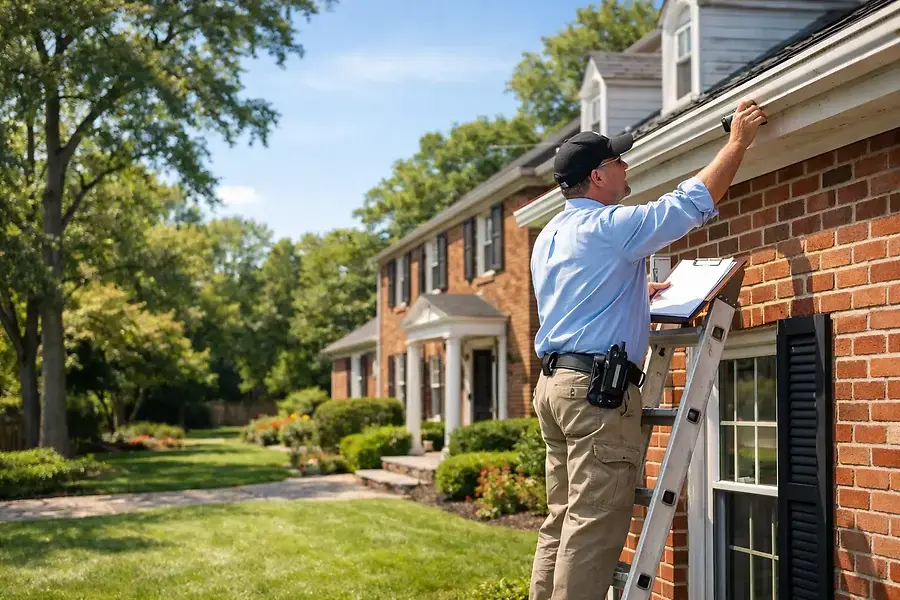
Understanding the Home Inspection Process and Timeline
A home inspection is one of the most critical steps in the home buying process, especially in the competitive DMV real estate market. This professional evaluation gives you a detailed understanding of your potential property's condition before you commit to the purchase.
The typical home inspection timeline begins shortly after your offer is accepted. Most DMV buyers have 7-10 days to schedule and complete the inspection, though this can be negotiated. The actual inspection usually takes 2-4 hours, depending on the home's size and age. During this time, a licensed inspector will examine both the interior and exterior of the property.
It's important to note that home inspectors in the DMV region must be licensed and certified. Virginia, Maryland, and Washington DC all have specific licensing requirements, so verify your inspector's credentials before hiring them. A thorough inspection report typically includes detailed findings, photographs, and recommendations for repairs or further evaluation.
What to Expect During the Inspection
As a buyer, you have the right to be present during the inspection. Many experienced buyers recommend attending to ask questions and understand the property's condition firsthand. Your inspector will walk through the home systematically, documenting findings as they go. Don't hesitate to ask questions about anything you don't understand—a good inspector will take time to explain their findings.
Critical Areas Inspectors Evaluate in DMV Homes
Home inspectors in the DMV focus on several key areas that are particularly important given the region's climate and older housing stock.
Structural and Foundation Issues
The foundation is the backbone of any home. Inspectors look for cracks, settling, water damage, and signs of structural movement. In the DMV, where many homes are older and built on clay soil, foundation issues are not uncommon. This is one area where problems can be expensive to remediate.
Roofing and Water Intrusion
The roof protects everything beneath it. Inspectors evaluate the roof's age, condition, and remaining lifespan. They also check for signs of water damage, leaks, and proper drainage. Given the DMV's humid climate and occasional severe weather, roof integrity is crucial.
HVAC Systems
Heating and cooling systems are essential in the DMV's variable climate. Inspectors test furnaces, air conditioning units, and heat pumps to ensure they're functioning properly. They also evaluate the age of these systems, as replacements can be costly.
Plumbing and Electrical Systems
Inspectors check water pressure, drainage, and the condition of pipes. For electrical systems, they verify that the panel is properly grounded, test outlets, and look for outdated wiring. Older DMV homes may have aluminum wiring or knob-and-tube electrical systems, which can present safety concerns.
Moisture and Mold
The DMV's humidity levels make moisture and mold concerns particularly relevant. Inspectors look for signs of water intrusion, condensation, and mold growth in basements, crawl spaces, and attics. This is an area where professional assessment is invaluable.
Identifying Red Flags and Negotiating Repairs
Not every finding in an inspection report is a deal-breaker, but some issues warrant serious consideration.
Major Red Flags
- Foundation cracks or settling: These can indicate serious structural problems requiring expensive repairs.
- Roof near end of life: A roof replacement can cost $10,000-$25,000+ in the DMV area.
- Outdated electrical systems: Aluminum wiring or knob-and-tube systems may require complete replacement.
- Active mold or water intrusion: These issues can affect health and property value significantly.
- HVAC system failure: Replacement costs can exceed $8,000-$15,000.
Negotiating Repairs and Credits
Once you receive the inspection report, you have several options. You can request that the seller make repairs before closing, ask for a credit toward repairs you'll handle yourself, or renegotiate the purchase price. In the competitive DMV market, sellers often resist major repair requests, so be strategic about which issues you prioritize.
Pro tip: Focus your negotiation requests on items that are safety concerns or require specialized expertise. Sellers are more likely to agree to these than cosmetic issues.
When to Walk Away
Sometimes the inspection reveals problems that make the deal unviable. If major systems are failing, structural issues are present, or the cost of repairs exceeds your budget, it may be time to walk away. Remember, your inspection contingency exists to protect you.
Using Inspection Results to Strengthen Your Offer
A thorough home inspection isn't just about identifying problems—it's also a tool for strengthening your position as a buyer.
Building Your Negotiating Position
In the DMV's competitive market, a well-documented inspection report gives you leverage. If you've identified legitimate issues, you have concrete evidence to support your repair requests or price renegotiation. This is particularly valuable when competing with other offers.
Planning Your Budget
The inspection report helps you understand the true cost of homeownership. Factor in recommended repairs and maintenance into your financial planning. This prevents surprises after closing and ensures you're making an informed financial decision.
Future Maintenance Planning
Beyond immediate repairs, the inspection report provides a roadmap for future maintenance. Understanding the age and condition of major systems helps you budget for replacements and preventive maintenance over the coming years.
A thorough home inspection is an investment in your peace of mind and financial security. Don't skip this critical step, even in a fast-moving market.
Final Thoughts
Home inspections are a non-negotiable part of the home buying process in the DMV. By understanding what inspectors evaluate, knowing which red flags to watch for, and using the results strategically, you can make a more informed purchase decision. Take the time to find a qualified inspector, attend the inspection, and carefully review the findings. Your future self will thank you for the diligence.


