What Every Home Buyer Should Know About Las Vegas Valley Inspections
Discover what to look for during inspections to avoid costly surprises in Nevada's unique desert climate.

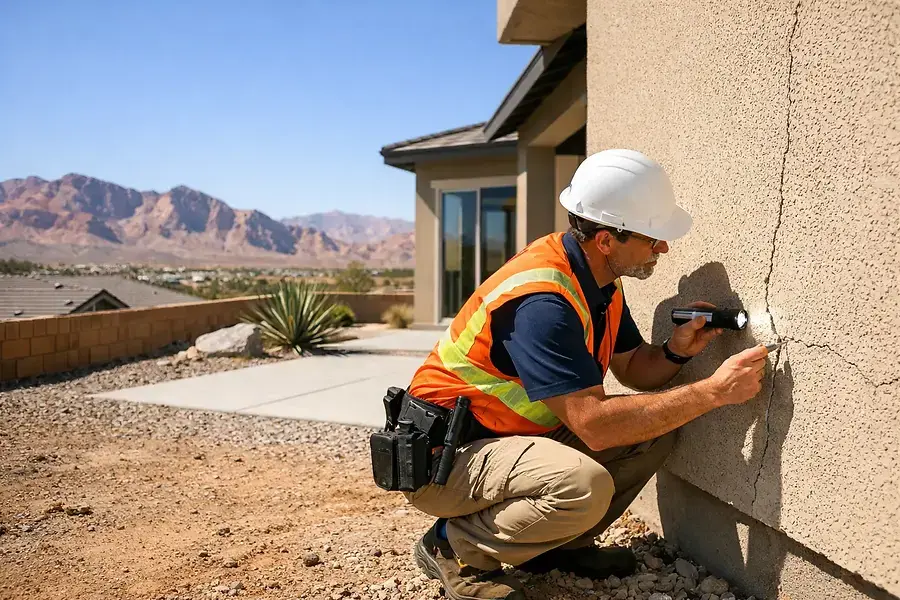
Understanding Nevada's Climate Impact on Home Inspections
The Las Vegas Valley presents unique challenges for homeowners that differ significantly from other regions across the United States. The intense desert heat, low humidity, and occasional flash flooding create specific conditions that can affect a home's structural integrity and systems over time. When purchasing a property in this area, understanding how Nevada's climate impacts your potential investment is crucial.
The extreme temperature fluctuations between day and night can cause materials to expand and contract repeatedly, leading to cracks in foundations, stucco, and concrete. Additionally, the dry climate can cause wood to shrink and warp, affecting doors, windows, and framing. During your inspection, pay special attention to how the desert environment has influenced the home's condition.
Water damage from flash floods is another concern, particularly for homes in lower-lying areas or near wash zones. Even though Las Vegas receives minimal rainfall annually, when storms do occur, they can be intense and cause significant water intrusion issues. Your inspector should evaluate the grading around the property and check for any signs of previous water damage.
Key Areas to Prioritize: From Foundation to Roof
Foundation and Concrete
The foundation is your home's most critical component. In the Las Vegas Valley, concrete foundations are susceptible to cracking due to the desert's temperature extremes and soil composition. During inspection, look for:
- Horizontal or diagonal cracks wider than 1/4 inch
- Bowing or leaning walls
- Gaps between the foundation and walls
- Evidence of water seepage or efflorescence (white mineral deposits)
Roof and Attic
The intense Nevada sun can be particularly harsh on roofing materials. UV radiation degrades shingles and sealants faster than in other climates. During your inspection, examine:
- Shingle condition and color fading
- Proper ventilation in the attic
- Signs of heat damage or deterioration
- Flashing around chimneys and vents
- The age of the roof (typical lifespan is 15-20 years in this climate)
HVAC Systems
Air conditioning is not a luxury in Las Vegas—it's a necessity. Your HVAC system works overtime during the scorching summer months. Ensure your inspector thoroughly evaluates:
- The age and condition of the air conditioning unit
- Proper refrigerant levels
- Ductwork integrity and insulation
- Thermostat functionality
- Maintenance records
Windows and Doors
Desert heat can compromise seals and cause frames to warp. Check for:
- Proper weatherstripping and caulking
- Thermal-pane window integrity
- Smooth operation of doors and windows
- Evidence of air leaks or drafts
Plumbing and Water Systems
Las Vegas Valley water is notably hard and mineral-rich. This affects plumbing longevity significantly. Your inspector should assess:
- Pipe material and age (copper, PVC, or galvanized)
- Water pressure and flow
- Water heater condition and age
- Signs of mineral buildup or corrosion
Red Flags and Warning Signs Every Buyer Should Know
Structural Concerns
Be wary of homes showing signs of serious structural issues. Cracks that are growing, doors that won't close properly, or uneven floors can indicate foundation problems that may require expensive repairs. Request a structural engineer's evaluation if your inspector identifies any concerns.
Previous Water Damage
Even in the desert, water damage is a significant issue. Look for:
- Stains on ceilings or walls
- Musty odors in basements or crawl spaces
- Mold or mildew growth
- Warped wood or drywall
Electrical System Issues
Outdated electrical systems can be dangerous and expensive to upgrade. Watch for aluminum wiring, insufficient outlets, or an undersized electrical panel. These are common issues in older Las Vegas homes and should be addressed before purchase.
Pest Damage
Desert pests, including termites and scorpions, can cause structural damage. Your inspector should look for evidence of pest infestation or damage, particularly in wood framing and foundations.
Working with Local Inspectors Who Know the Valley
Why Local Expertise Matters
Hiring a home inspector familiar with Las Vegas Valley conditions is invaluable. Local inspectors understand the specific challenges posed by the desert climate and can identify issues that out-of-state inspectors might miss. They know which neighborhoods are prone to flooding, which builders have known issues, and what maintenance is essential in this environment.
Questions to Ask Your Inspector
Before hiring an inspector, ask about their experience with desert homes. Inquire about:
- How many inspections they've completed in the Las Vegas Valley
- Their familiarity with local building codes and practices
- Whether they provide detailed written reports with photos
- If they're willing to explain findings in person
- Their credentials and certifications
The Inspection Process
Attend the inspection in person whenever possible. This allows you to ask questions, understand the inspector's concerns, and see issues firsthand. A thorough inspection typically takes 2-3 hours for a standard home. Don't rush the process—this is your opportunity to learn about your potential investment.
Request a detailed written report that includes photographs of any concerns. This documentation is essential for negotiating repairs or credits with the seller and for your future reference.
Using Inspection Results
Once you have the inspection report, you have several options. You can request repairs from the seller, ask for credits toward repairs you'll handle yourself, or renegotiate the purchase price. In some cases, inspection findings may be significant enough to reconsider the purchase altogether.
"A thorough home inspection is one of the most important steps in the home-buying process. It protects your investment and gives you peace of mind."
Final Thoughts
Buying a home in the Las Vegas Valley is an exciting opportunity, but it requires careful attention to the unique factors that affect properties in this region. By understanding Nevada's climate impact, prioritizing key inspection areas, knowing what warning signs to watch for, and working with knowledgeable local inspectors, you can make an informed decision and avoid costly surprises down the road.
Take your time with the inspection process, ask questions, and trust your instincts. A small investment in a thorough inspection now can save you thousands in unexpected repairs later.


