What Every Home Buyer Should Know About Property Inspections
Discover the critical inspection points that protect your investment and reveal hidden property issues before closing.

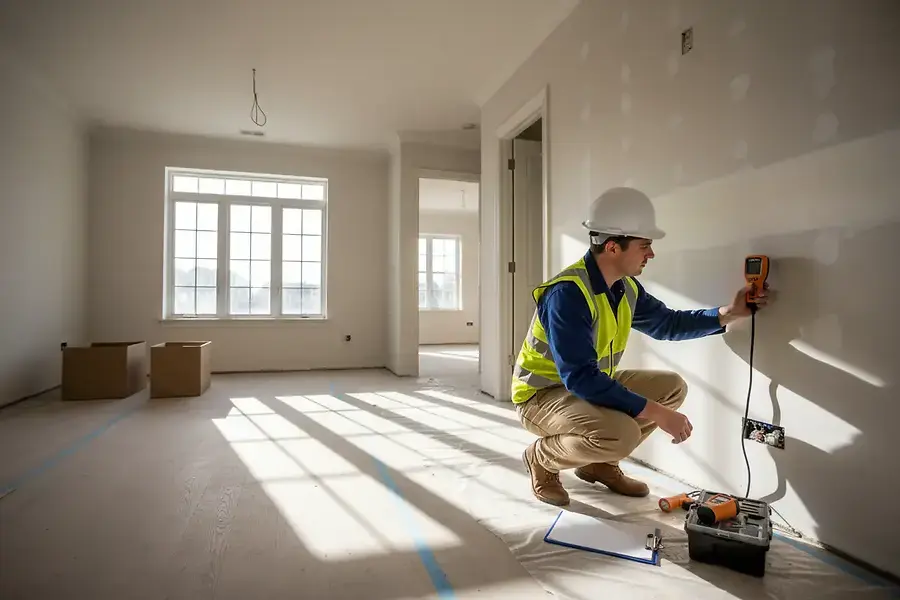
Understanding the Home Inspection Process
A home inspection is one of the most important steps in the home buying journey. This comprehensive evaluation of a property's condition provides you with critical information before you commit to one of the largest purchases of your life. A qualified home inspector will spend two to four hours examining the property's structure, systems, and components.
During a typical inspection, the inspector will create a detailed report documenting the condition of various elements. This report becomes your roadmap for understanding what you're actually buying. Many buyers skip or rush through inspections, but this is a costly mistake that can lead to unexpected repairs and financial hardship down the road.
The inspection process is not a pass-or-fail evaluation. Instead, it's an informational tool that helps you understand the property's true condition and identify potential issues that may require attention or negotiation.
Key Areas Inspectors Evaluate and Why They Matter
Structural Components
Inspectors carefully examine the foundation, walls, and roof structure. Foundation issues are particularly serious because they can be extremely expensive to repair. Cracks, settling, or water damage in the foundation can indicate structural problems that affect the entire home's integrity. The roof is equally important—a failing roof can lead to water damage throughout the property and cost thousands to replace.
Electrical Systems
Your inspector will evaluate the electrical panel, wiring, outlets, and switches. Outdated or faulty electrical systems pose serious safety risks, including fire hazards. Homes with older wiring may need upgrades to handle modern electrical demands, which can be a significant expense.
Plumbing and Water Systems
Inspectors test water pressure, check for leaks, and examine pipes for corrosion or damage. Water damage is one of the most common and costly issues in homes. Hidden leaks can lead to mold growth, structural damage, and expensive repairs. The inspector will also evaluate the water heater's age and condition.
HVAC Systems
Heating, ventilation, and air conditioning systems are essential for comfort and indoor air quality. Inspectors assess whether these systems are functioning properly and estimate their remaining lifespan. Replacing an HVAC system can cost $5,000 to $15,000, so understanding its condition is crucial.
Insulation and Ventilation
Proper insulation and ventilation affect energy efficiency and prevent moisture problems. Inadequate insulation can lead to higher utility bills, while poor ventilation can cause mold and indoor air quality issues.
Interior and Exterior Elements
Inspectors examine doors, windows, flooring, walls, and exterior siding. They look for signs of water damage, pest infestation, and general wear and tear. These elements may not be as critical as structural or system issues, but they still affect the property's value and your living experience.
Red Flags That Could Affect Your Offer
Water Damage and Mold
Stains on ceilings, walls, or in basements indicate water intrusion. Mold is a serious health concern and can be expensive to remediate. If the inspection reveals water damage or mold, you may want to request a specialized mold inspection before proceeding.
Foundation Problems
Visible cracks, uneven floors, or doors that don't close properly can indicate foundation issues. These problems require professional evaluation and can be extremely costly to repair.
Outdated or Failing Systems
If the electrical panel is outdated, the plumbing uses old materials, or the HVAC system is near the end of its life, budget for replacements. These systems are essential for safety and comfort.
Pest Infestation
Signs of termites, rodents, or other pests should be taken seriously. Pest damage can compromise structural integrity and require professional treatment.
Roof Condition
A roof nearing the end of its lifespan is a significant expense. If the inspection reveals a roof that needs replacement within the next few years, factor this into your decision.
"A home inspection is not an expense—it's an investment in your peace of mind and financial security."
Using Inspection Results to Negotiate and Move Forward
Request a Professional Evaluation
If the inspection reveals significant issues, consider hiring specialists for further evaluation. A structural engineer, electrician, or plumber can provide detailed assessments and repair estimates.
Negotiate Repairs or Credits
Armed with the inspection report, you have several options. You can request that the seller make repairs before closing, ask for a credit to cover repair costs, or request a price reduction. Use the inspection report as your negotiating tool—it provides objective evidence of the property's condition.
Prioritize Issues
Not all inspection findings are deal-breakers. Prioritize issues based on safety, cost, and impact on livability. A cosmetic issue like outdated paint is less critical than a failing electrical system.
Plan for Future Maintenance
Even if you decide to proceed without requesting repairs, use the inspection report to plan your maintenance budget. Understanding the age and condition of major systems helps you prepare for future expenses.
Walk Away If Necessary
If the inspection reveals extensive problems that would require significant investment, it's okay to walk away. No property is worth buying if the hidden costs will strain your finances. The inspection contingency exists to protect you—use it if needed.
A thorough home inspection is your best defense against costly surprises after closing. By understanding what inspectors evaluate and how to use their findings, you can make an informed decision that protects your investment and ensures you're buying a home that's safe, sound, and worth the price.