What Every Home Buyer Should Know About Property Inspections
Master the essential inspection points that reveal hidden issues and protect your investment.

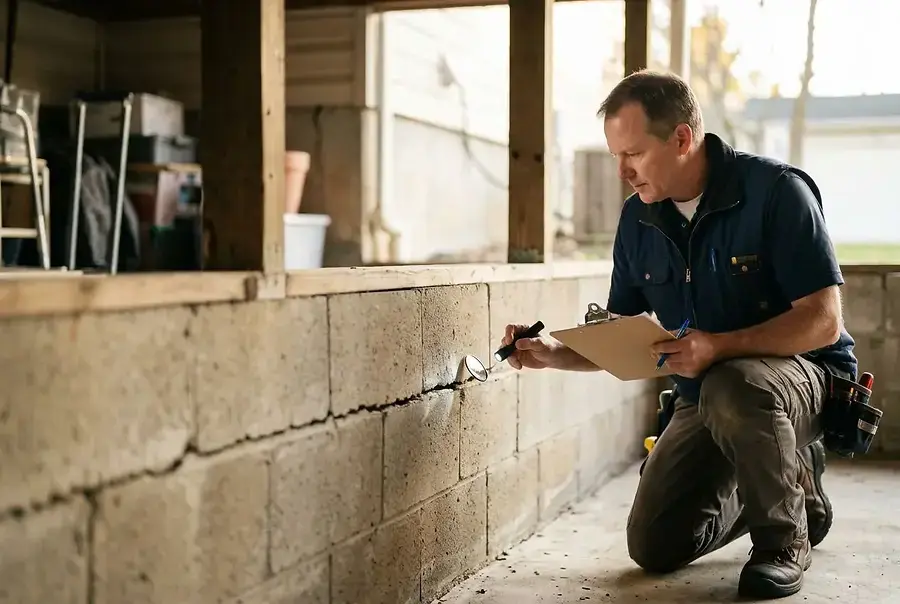
Why Professional Inspections Matter More Than You Think
Purchasing a home is one of the most significant financial decisions you'll make in your lifetime. While many buyers focus on location, price, and aesthetics, they often overlook one of the most critical steps in the process: the professional home inspection. A thorough inspection can reveal hidden problems that could cost thousands of dollars to repair, making it an essential safeguard for your investment.
A professional home inspector brings expertise and objectivity to the table. Unlike real estate agents or sellers, inspectors have no financial incentive in the transaction. Their sole purpose is to provide you with an honest, detailed assessment of the property's condition. This unbiased evaluation can be the difference between a sound investment and a costly mistake.
Many first-time homebuyers underestimate the importance of inspections, assuming that if a house looks good on the surface, it must be fine. However, serious structural issues, electrical hazards, plumbing problems, and HVAC failures can lurk behind walls and under floors. By investing in a professional inspection, you gain peace of mind and valuable negotiating power.
Critical Structural and Foundation Elements to Evaluate
Foundation Integrity
The foundation is literally the backbone of your home. Inspectors will examine the foundation for cracks, settling, water damage, and signs of movement. Even small cracks can indicate larger structural problems that may worsen over time. Foundation issues are expensive to repair and can affect the entire property's stability.
Key foundation concerns include:
- Horizontal or vertical cracks in concrete or brick
- Water seepage or moisture intrusion
- Uneven settling or sloping floors
- Gaps between walls and foundation
- Evidence of previous repairs or patching
Structural Framing and Load-Bearing Walls
Inspectors evaluate the structural framing to ensure walls, beams, and joists are sound and properly supporting the home's weight. They look for signs of rot, insect damage, or improper repairs that could compromise structural integrity. Damaged framing can be extremely costly to replace and may require extensive renovation work.
Roof Structure and Attic Condition
The roof is your home's first line of defense against the elements. Inspectors examine roof framing, decking, and ventilation in the attic space. They assess whether the attic has adequate insulation and ventilation, which directly impacts energy efficiency and prevents moisture problems.
Systems Assessment: Electrical, Plumbing, HVAC, and Roof Condition
Electrical System Evaluation
A safe electrical system is non-negotiable. Professional inspectors test outlets, check the main electrical panel, and look for outdated wiring that may pose fire hazards. Faulty electrical work can lead to fires, shocks, and expensive repairs.
Critical electrical inspection points include:
- Proper grounding and bonding
- Adequate circuit capacity for modern appliances
- GFCI protection in bathrooms and kitchens
- Absence of aluminum wiring (a known fire hazard)
- Proper labeling of circuits
Plumbing System Assessment
Water damage is one of the most common and expensive problems in homes. Inspectors check for leaks, water pressure issues, and the condition of pipes throughout the property. They examine both visible plumbing and hidden pipes within walls to identify potential problems before they become catastrophic.
Important plumbing considerations:
- Water pressure and flow rates
- Condition of visible pipes and connections
- Proper drainage and venting
- Age and type of water heater
- Signs of past or present leaks
- Sump pump functionality (if applicable)
HVAC System Condition
Heating, ventilation, and air conditioning systems are essential for comfort and indoor air quality. Inspectors evaluate the age, condition, and efficiency of these systems. Replacing an HVAC system can cost $5,000 to $15,000 or more, so understanding its condition is crucial for budgeting.
HVAC inspection includes:
- Age and operational status of furnace and air conditioner
- Proper airflow and ductwork condition
- Thermostat functionality
- Maintenance history and cleanliness
- Refrigerant levels and leaks
Roof Condition and Longevity
The roof protects everything beneath it. Inspectors assess roofing material condition, flashing integrity, and remaining lifespan. A roof replacement can easily exceed $10,000, making this assessment vital for long-term planning.
Roof evaluation focuses on:
- Shingle or material condition and wear
- Proper flashing around chimneys and vents
- Gutter and downspout functionality
- Signs of leaks or water damage in attic
- Estimated remaining roof life
Making Informed Decisions with Inspection Knowledge
Once you receive the inspection report, you have several options. You can request repairs from the seller, ask for credits toward repairs, renegotiate the price, or walk away from the deal if issues are too severe. The inspection gives you leverage and knowledge to make the best decision for your situation.
Remember: A professional home inspection is not an expense—it's an investment in your peace of mind and financial security.
Don't skip this critical step in the home-buying process. Hire a qualified, certified inspector who will thoroughly evaluate every aspect of the property. Ask questions, review the report carefully, and use the findings to make an informed decision about one of the most important purchases of your life.