What Every Home Buyer Should Know About Property Inspections
Discover the critical inspection points that protect your investment and prevent costly surprises after purchase.

Understanding the Home Inspection Process
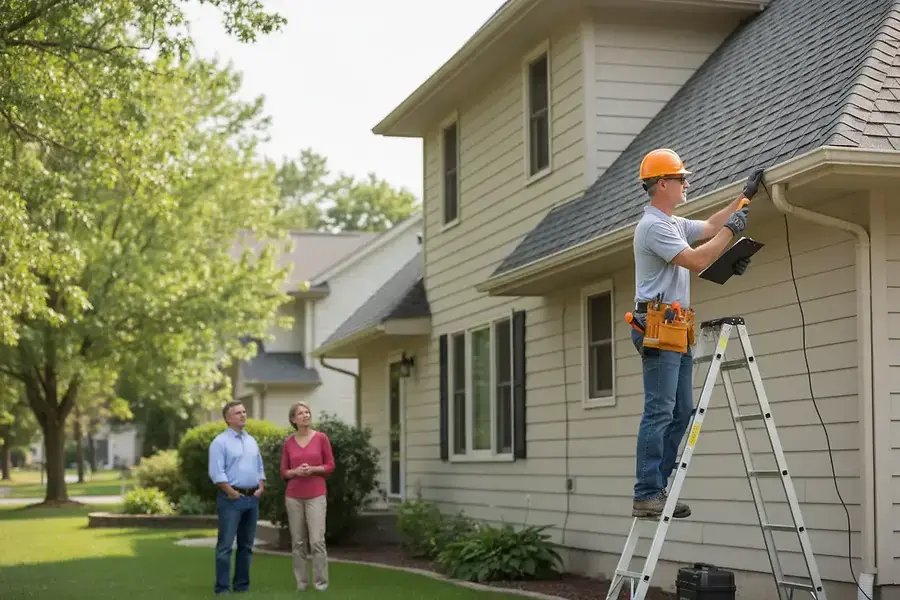
A home inspection is one of the most important steps in the home buying journey. This comprehensive evaluation of a property's condition gives you valuable insight into what you're actually purchasing. Unlike an appraisal, which determines a home's market value, an inspection focuses on the physical condition and functionality of the structure and its systems.
During a typical home inspection, a licensed professional will spend two to four hours examining the property inside and out. You should always attend the inspection if possible, as this gives you the opportunity to ask questions and learn directly from the inspector. The inspector will document their findings in a detailed report that becomes crucial information for your purchasing decision.
What to Expect During the Inspection
The inspector will systematically go through the home, checking everything from the foundation to the roof. They'll test systems, look for signs of damage, and identify potential issues. The process is non-invasive—inspectors won't remove walls or dig into the property, but they will look behind accessible areas and use specialized equipment to detect problems.
Key Areas Inspectors Evaluate and Why They Matter
Structural Components
The foundation and structural integrity are paramount. Inspectors look for cracks, settling, water damage, and signs of pest infestation. A compromised foundation can be extremely expensive to repair and may affect the home's safety and resale value.
Roofing System
Your roof is your home's first line of defense against the elements. Inspectors evaluate the roof's age, condition, and remaining lifespan. They check for missing shingles, leaks, and proper ventilation. Roof replacement is a significant expense, so understanding its condition is critical.
Electrical System
A safe electrical system is non-negotiable. Inspectors verify that the electrical panel is properly grounded, check for outdated wiring, and ensure outlets are functioning correctly. Outdated or faulty electrical systems pose serious fire and safety hazards.
Plumbing and Water Systems
Inspectors test water pressure, check for leaks, and examine pipes for corrosion or damage. They also evaluate the water heater's condition and age. Water damage from plumbing issues can lead to mold and structural problems if left unaddressed.
HVAC Systems
Heating, ventilation, and air conditioning systems are essential for comfort and indoor air quality. Inspectors test these systems to ensure they're functioning properly and assess their age and maintenance history. Replacing an HVAC system can be costly, so knowing its condition matters.
Insulation and Ventilation
Proper insulation and ventilation affect energy efficiency and prevent moisture problems. Inspectors check attic insulation levels and ensure adequate ventilation to prevent mold and moisture accumulation.
Red Flags to Watch For and When to Negotiate Repairs
Major Concerns That Require Attention
Foundation issues are serious red flags. Cracks, uneven floors, or signs of water intrusion suggest structural problems that require professional evaluation and potentially expensive repairs.
Roof damage or age is another critical concern. If the roof is nearing the end of its lifespan or shows significant damage, budget for replacement costs or negotiate with the seller.
Electrical hazards including outdated panels, aluminum wiring, or improper grounding need immediate attention for safety reasons.
Plumbing problems such as galvanized pipes, active leaks, or sewage issues can be expensive and health-threatening.
Mold or water damage indicates moisture problems that can worsen over time and affect your family's health.
Negotiating Repairs and Credits
Once you receive the inspection report, you have several options. You can request that the seller make repairs before closing, ask for a credit toward repairs you'll handle yourself, or renegotiate the purchase price. Be strategic in your requests—focus on major issues rather than minor cosmetic concerns.
Get repair estimates from licensed contractors to support your negotiation requests. Sellers are more likely to respond positively when you provide specific, reasonable requests backed by professional quotes.
When to Walk Away
Some issues are deal-breakers. If the inspection reveals extensive structural damage, severe mold problems, or major system failures that would cost more than you're willing to invest, it may be time to reconsider the purchase. Your inspection contingency protects your right to back out if serious problems emerge.
Moving Forward with Confidence After Your Inspection
Using the Inspection Report Wisely
The inspection report is your roadmap for the home's future maintenance. Even after you purchase, keep this document for reference. It helps you understand the home's systems and plan for future repairs or replacements.
Planning for Future Maintenance
Use the inspection findings to create a maintenance schedule. If the inspector notes that your roof has five to seven years of life remaining, you can plan for replacement accordingly. This proactive approach prevents surprises and helps you budget for major expenses.
Building Your Home Care Strategy
Regular maintenance extends the life of your home's systems and prevents small problems from becoming expensive disasters. Schedule annual HVAC maintenance, inspect your roof seasonally, and address plumbing issues promptly.
A thorough home inspection is an investment in peace of mind. It protects your financial investment and helps you make an informed decision about one of the largest purchases of your life.
Final Thoughts
Home inspections are essential for any buyer serious about protecting their investment. By understanding what inspectors look for, recognizing red flags, and using the inspection report strategically, you can make confident decisions and avoid costly surprises down the road. Don't skip this critical step—your future self will thank you.