What Every Honolulu Homebuyer Should Know About Property Inspections
Protect your investment by understanding what inspectors look for in Hawaii's unique tropical climate and older homes.

Understanding Honolulu's Unique Home Inspection Challenges
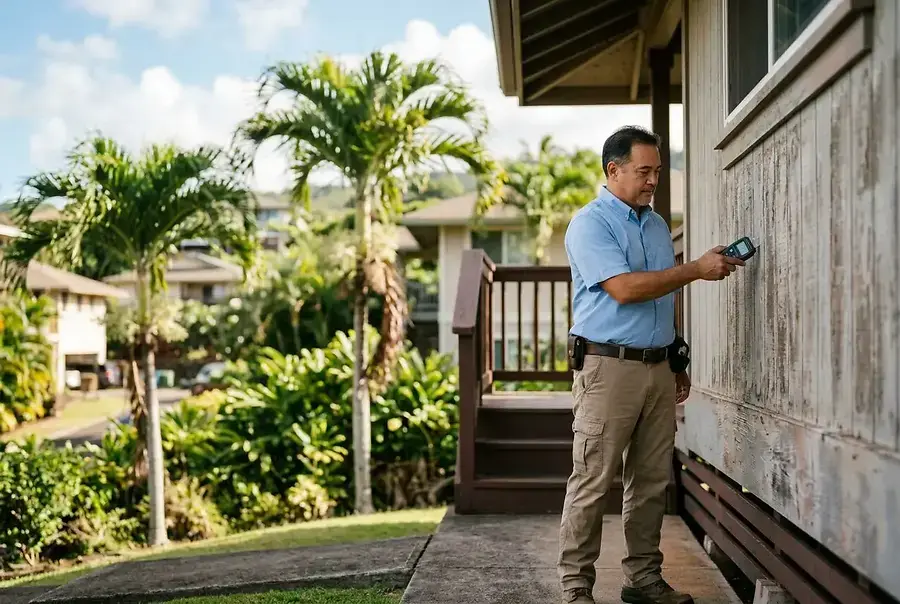
Purchasing a home in Honolulu is an exciting milestone, but it comes with distinct challenges that mainland homebuyers may not encounter. Hawaii's tropical climate, salt-laden air, and the prevalence of older homes create a unique inspection landscape that requires specialized knowledge. Unlike continental properties, Honolulu homes face constant exposure to moisture, humidity, and corrosive salt spray that can accelerate deterioration of building materials.
The island's building codes and construction standards differ significantly from the mainland, and many homes were built decades ago when modern building practices weren't yet established. Understanding these regional factors is crucial before signing on the dotted line. A thorough property inspection tailored to Hawaii's conditions can save you tens of thousands of dollars in unexpected repairs.
Critical Areas Inspectors Prioritize in Hawaii Properties
Roof and Structural Integrity
Honolulu's intense sun and frequent rain make roofing one of the most critical inspection areas. Inspectors examine shingles for UV damage, moss growth, and deterioration caused by the tropical climate. The salt air is particularly harsh on metal roofing and fasteners, which can corrode rapidly if not properly maintained. Structural damage from water intrusion is also a major concern, as leaks can compromise the entire framework of older homes.
Plumbing and Water Systems
Hawaii's mineral-rich water and high humidity create significant plumbing challenges. Inspectors look for:
- Corrosion in copper pipes and fixtures
- Mineral buildup in water heaters and lines
- Proper drainage systems designed for heavy tropical rainfall
- Septic system functionality (common in some Honolulu neighborhoods)
- Water pressure and quality issues
Replacing corroded plumbing can be expensive, so inspectors pay special attention to the age and condition of water systems in older homes.
Electrical Systems and Moisture Damage
The combination of humidity and salt air creates ideal conditions for electrical corrosion and moisture damage. Inspectors evaluate:
- Outdated electrical panels that may not meet current codes
- Corrosion in electrical connections and outlets
- Proper grounding and surge protection
- Signs of water damage near electrical systems
Foundation and Termite Damage
Termites thrive in Hawaii's warm, humid environment, making pest damage a critical inspection point. Inspectors look for evidence of termite activity, dry rot, and foundation issues. Regular termite inspections are often recommended as a separate service to ensure comprehensive coverage. Foundation cracks and settling are also common in older Honolulu homes and require careful evaluation.
HVAC and Ventilation
Air conditioning systems work overtime in Hawaii's climate. Inspectors assess whether HVAC systems are appropriately sized for the home and check for proper ventilation to combat mold growth. Inadequate ventilation in bathrooms and kitchens can lead to serious mold problems in the tropical humidity.
Red Flags and Repair Costs to Budget For
Common Issues and Associated Costs
Knowing what to expect helps you budget appropriately. Here are common findings in Honolulu property inspections:
- Roof replacement: $8,000-$15,000+ depending on size and materials
- Plumbing system overhaul: $5,000-$20,000 for extensive corrosion
- Electrical panel upgrade: $3,000-$8,000
- Termite treatment and repairs: $2,000-$10,000
- Mold remediation: $2,000-$6,000
- Foundation repairs: $5,000-$25,000+
Warning Signs to Watch For
During your walkthrough and inspection report review, watch for these red flags:
- Visible water stains or discoloration on ceilings and walls
- Musty odors indicating mold or mildew
- Sagging roofs or visible roof damage
- Rust or corrosion on metal components
- Evidence of previous water damage repairs
- Outdated electrical systems or unpermitted additions
- Signs of pest activity or previous infestations
Don't ignore these warning signs. Request a detailed estimate from licensed contractors for any significant issues before proceeding with your purchase.
Negotiating Repairs and Credits
Once you have the inspection report, you have several options. You can request that the seller make repairs before closing, ask for a credit toward repairs you'll handle yourself, or renegotiate the purchase price. In Honolulu's competitive market, having a thorough inspection gives you leverage to address legitimate concerns.
Conclusion: Making Confident Purchase Decisions
A comprehensive property inspection is one of the most important investments you can make when buying a Honolulu home. The tropical climate and age of many island properties require specialized attention that goes beyond standard mainland inspections. By understanding what inspectors look for and budgeting for common repairs, you'll be better equipped to make an informed decision.
Choose a home inspector with specific experience in Hawaii properties and don't hesitate to ask questions about their findings. Your dream home in Honolulu is worth protecting, and a thorough inspection is the best way to ensure your investment is sound for years to come.