What Every Indianapolis Homebuyer Should Know About Home Inspections
Master the critical inspection checklist every Indianapolis homebuyer needs to know before closing on their property.

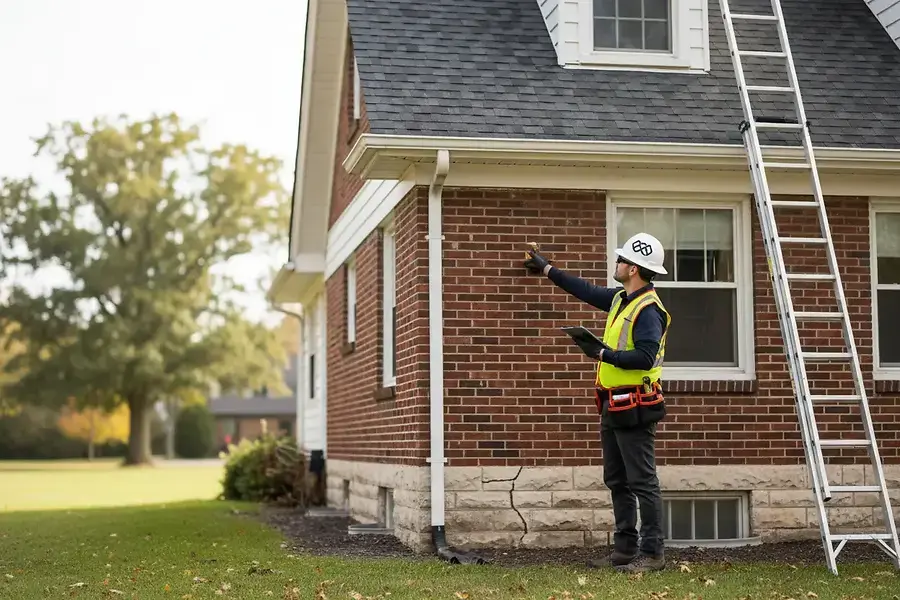
Why Home Inspections Matter in Indianapolis
Purchasing a home is one of the most significant investments you'll make in your lifetime. In Indianapolis, where homes range from historic Victorian properties to modern suburban developments, a professional home inspection is absolutely critical. A thorough inspection protects your investment by identifying potential issues before you sign the final paperwork.
Many first-time homebuyers underestimate the importance of inspections, viewing them as an optional expense. However, skipping this crucial step could cost you thousands in unexpected repairs. Indiana's climate, with its cold winters and humid summers, can take a toll on homes in unique ways. An experienced inspector understands these regional challenges and knows exactly what to look for.
A home inspection typically costs between $300 and $500, but the insights gained can save you from purchasing a property with hidden defects. Think of it as insurance for your biggest purchase.
Key Areas to Inspect: Foundation, Roof, and HVAC Systems
Foundation Issues
The foundation is the backbone of any home. In Indianapolis, foundation problems are particularly common due to soil composition and freeze-thaw cycles. During an inspection, your inspector will look for:
- Visible cracks in the foundation walls or basement floor
- Water intrusion or moisture damage
- Signs of settling or structural movement
- Proper grading around the foundation to ensure water drainage
- Condition of basement walls and any previous repairs
Foundation repairs can be expensive, ranging from minor waterproofing to major structural work costing $10,000 or more. Catching these issues early gives you negotiating power.
Roof Condition
Your roof is your home's first line of defense against Indianapolis weather. Inspectors will examine:
- Age and remaining lifespan of roofing materials
- Signs of leaks, water damage, or missing shingles
- Flashing around chimneys, vents, and skylights
- Gutter and downspout condition
- Proper ventilation in the attic
A roof replacement typically costs $8,000 to $15,000, making this one of the most critical inspection areas. If the roof is nearing the end of its life, you'll want to factor replacement costs into your offer.
HVAC Systems
Heating and cooling systems are essential in Indiana's climate. Your inspector will evaluate:
- Age and operational status of furnace and air conditioning units
- Proper airflow and temperature consistency throughout the home
- Condition of ductwork and insulation
- Thermostat functionality
- Safety features and carbon monoxide detectors
HVAC repairs or replacements can range from $1,000 for minor fixes to $8,000 for a complete system replacement. Understanding the condition of these systems helps you plan for future expenses.
Understanding Inspection Reports and Negotiating Repairs
Decoding Your Inspection Report
A professional inspection report will be detailed and comprehensive. It typically categorizes findings into three levels:
- Safety Issues: Problems that pose immediate danger, such as electrical hazards or structural concerns
- Major Repairs: Significant issues requiring professional attention, like roof leaks or HVAC failure
- Minor Issues: Small problems that don't require immediate attention but should be monitored
Take time to review the report thoroughly. Don't hesitate to ask your inspector questions about any findings. A good inspector will explain issues in plain language and provide recommendations for repairs or further evaluation.
Negotiating Repairs and Credits
Once you have the inspection report, you have several options:
- Request repairs: Ask the seller to fix identified issues before closing
- Request credits: Negotiate a reduction in the purchase price to cover repair costs
- Walk away: If major issues exist, you may have grounds to terminate the contract
- Accept as-is: Proceed with the purchase knowing the home's condition
In Indianapolis's competitive real estate market, negotiation strategy is crucial. Focus on major safety and structural issues rather than cosmetic concerns. Sellers are more likely to address critical problems than minor imperfections.
"A professional home inspection is your opportunity to make an informed decision about one of the largest purchases of your life. Don't skip this step or rush through it."
When to Request Additional Inspections
Sometimes a general inspection reveals issues that require specialized evaluation. Consider hiring specialists for:
- Mold or asbestos testing
- Radon testing (especially important in Indiana)
- Termite and pest inspections
- Septic system evaluation (for homes not on municipal sewer)
- Well water testing
These specialized inspections typically cost $200 to $500 each but provide peace of mind about specific concerns.
Making Informed Decisions with Professional Guidance
A home inspection is more than just a checklist of problems—it's an investment in your future. By understanding what inspectors look for and how to interpret their findings, you empower yourself to make informed decisions.
Work closely with your real estate agent and inspector to understand the implications of any findings. Don't let inspection results overwhelm you; every home has some issues. The goal is to identify significant problems that affect safety, functionality, or value.
Remember: A thorough home inspection protects your investment, gives you negotiating leverage, and provides valuable information about your future home's condition. In Indianapolis's diverse housing market, this knowledge is invaluable.
Before closing on your Indianapolis home, ensure you've conducted a professional inspection, reviewed the report carefully, and negotiated any necessary repairs or credits. This due diligence will help you move into your new home with confidence and peace of mind.


