What Every Knoxville Home Buyer Needs to Know About Inspections
Essential steps every buyer should take before closing on residential property in East Tennessee.

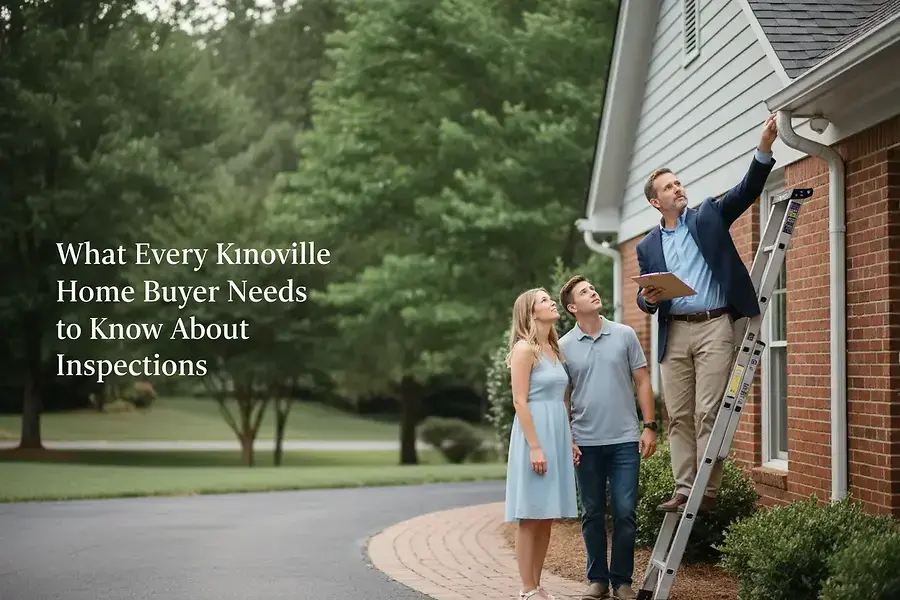
Understanding the Home Inspection Process
Purchasing a home in Knoxville is one of the most significant investments you'll make in your lifetime. Before signing on the dotted line, a professional home inspection is a critical step that protects your interests and gives you peace of mind. A home inspection is a thorough examination of a property's structural and mechanical systems, conducted by a licensed inspector who provides an objective assessment of the home's condition.
The inspection process typically takes between two to four hours, depending on the size and age of the property. As a buyer, you have the right to be present during the inspection, and it's highly recommended that you attend. This gives you the opportunity to ask questions directly and understand any issues the inspector discovers. The inspector will document their findings in a detailed report that you'll receive within 24 to 48 hours after the inspection.
In Tennessee, home inspectors must be licensed and follow specific standards of practice. This ensures that you're receiving a professional evaluation from someone with proper training and credentials. The inspection contingency period, typically 7 to 10 days from the offer acceptance date, gives you time to review the report and decide on your next steps.
What Inspectors Look For in Knoxville Homes
Structural Components
Inspectors examine the foundation, walls, and roof structure to identify any signs of damage, settling, or deterioration. In East Tennessee, where homes can experience various weather conditions, roof integrity is particularly important. They'll look for missing shingles, leaks, and proper drainage systems that are essential for protecting your investment from water damage.
Roofing and Exterior
The roof is one of the most expensive components to replace, so inspectors pay close attention to its condition. They'll assess the age of the roof, check for proper ventilation, and examine gutters and downspouts. The exterior walls, windows, and doors are also evaluated for weatherproofing and structural integrity.
Plumbing Systems
Inspectors test water pressure, check for leaks, and examine the condition of pipes throughout the home. They'll verify that the water heater is functioning properly and assess its age. In older Knoxville homes, outdated plumbing materials may be flagged as potential future concerns.
Electrical Systems
The electrical panel, wiring, and outlets are inspected to ensure they meet current safety standards. Inspectors look for outdated systems, improper installations, or potential fire hazards. This is especially important in older homes that may have aging electrical infrastructure.
HVAC Systems
Heating, ventilation, and air conditioning systems are tested for proper operation. Inspectors assess the age of the furnace and air conditioning unit, check refrigerant levels, and verify that the system is appropriately sized for the home. Given Knoxville's climate, a functioning HVAC system is essential for year-round comfort.
Interior Components
Inspectors examine walls, ceilings, floors, and insulation for signs of water damage, mold, or pest infestation. They'll check doors, windows, and built-in appliances. Basement or crawl space conditions are thoroughly evaluated, as these areas are prone to moisture issues in Tennessee.
How to Interpret Your Inspection Report
Once you receive your inspection report, it's important to understand how to read and interpret the findings. Most reports categorize issues into three levels: safety concerns, major repairs, and minor issues.
Safety Concerns
These are critical issues that pose a risk to occupants or the property itself. Examples include faulty electrical wiring, structural damage, or mold growth. Safety concerns typically require immediate attention and should be addressed before closing.
Major Repairs
Major repairs involve significant systems or components that are failing or near the end of their lifespan. A roof that needs replacement, a failing water heater, or a compromised foundation would fall into this category. These items often require negotiation between buyer and seller.
Minor Issues
Minor issues are cosmetic or small maintenance items that don't affect the home's safety or functionality. Examples include caulking around windows, touch-up painting, or replacing weatherstripping. These are typically the buyer's responsibility after closing.
Don't hesitate to ask your real estate agent or inspector to clarify any findings. Understanding the severity and cost implications of each issue will help you make informed decisions about your purchase.
Next Steps After Receiving Your Inspection Results
Request Repairs or Credits
If significant issues are discovered, you have several options. You can request that the seller make repairs before closing, ask for a credit toward closing costs to handle repairs yourself, or negotiate a price reduction. Your real estate agent can help you determine which approach is most advantageous based on the specific issues and current market conditions.
Obtain Additional Inspections
If the general inspection reveals potential problems with specific systems, you may want to hire specialists. A structural engineer, pest inspector, or HVAC technician can provide detailed assessments and cost estimates for repairs. This additional information strengthens your negotiating position.
Review Your Options
You have the right to walk away from the purchase if inspection results reveal deal-breaking issues, provided you do so within your inspection contingency period. However, most issues can be negotiated or addressed. Work closely with your real estate agent and lender to evaluate your options.
Plan for Future Maintenance
Even if no major issues are found, the inspection report provides valuable information about your home's systems and their expected lifespan. Use this information to plan future maintenance and budget for replacements. Staying proactive with home maintenance can prevent costly repairs down the road.
A home inspection is an investment in your future as a homeowner. By understanding the process, knowing what inspectors look for, and properly interpreting the results, you'll be well-equipped to make a confident decision about your Knoxville home purchase. Don't skip this crucial step—it could save you thousands of dollars and countless headaches.