What Every Orlando Homebuyer Should Know About Property Inspections
Learn what to look for during inspections to avoid costly surprises and negotiate better deals in Orlando's competitive real estate market.

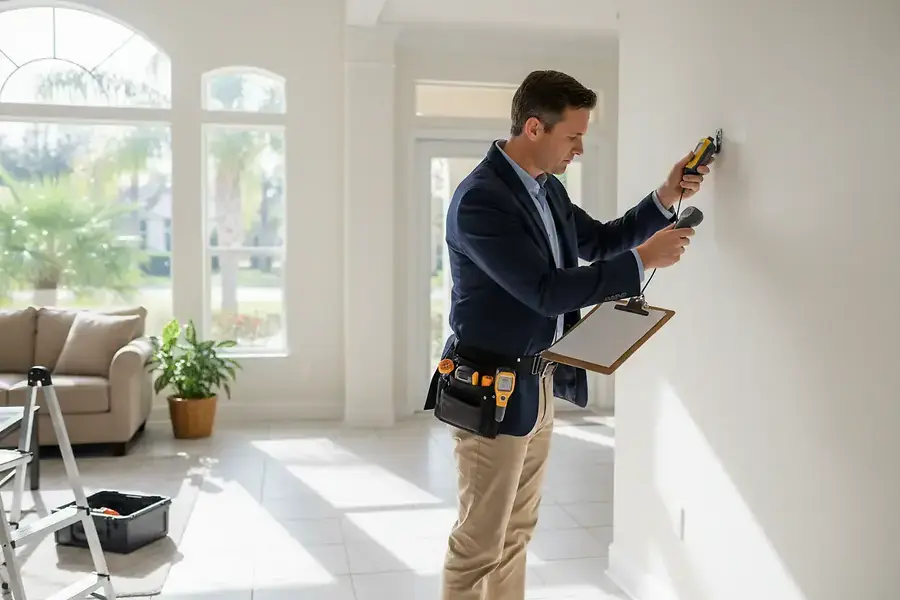
Understanding the Home Inspection Process in Orlando
When purchasing a home in Orlando, a professional property inspection is one of the most critical steps in the buying process. This comprehensive evaluation typically takes 2-3 hours and involves a licensed inspector examining the property's structural integrity, systems, and overall condition.
What Happens During an Inspection
A qualified home inspector will evaluate multiple components of your potential new home, including:
- Roof condition and age
- Foundation and structural elements
- HVAC systems and air conditioning units
- Plumbing and water systems
- Electrical systems and panels
- Windows, doors, and exterior condition
- Insulation and ventilation
- Interior walls and ceilings
As a homebuyer, you have the right to be present during the inspection. This is highly recommended as it allows you to ask questions directly and understand any issues the inspector identifies.
Common Issues Found in Central Florida Properties
Orlando's unique climate and geography create specific challenges for homeowners. Understanding these common issues can help you identify potential problems early.
Water Damage and Moisture Issues
Central Florida's high humidity and frequent rainfall make water intrusion a significant concern. Inspectors typically look for:
- Roof leaks and damaged shingles
- Improper grading around the foundation
- Clogged gutters and downspouts
- Signs of mold or mildew in attics and crawl spaces
- Water stains on ceilings and walls
Water damage can be extremely costly to repair, so this is an area where careful inspection pays dividends.
Foundation and Settling Issues
Florida's sandy soil and high water table can lead to foundation problems. Look for cracks in the foundation, uneven floors, or doors that don't close properly—these may indicate settling or structural movement.
Air Conditioning System Concerns
In Orlando's hot climate, a functioning AC system is essential. Inspectors will evaluate the age, efficiency, and condition of your cooling system. Units older than 10-15 years may need replacement soon, which is a significant expense.
Pest and Termite Damage
Termites and other pests thrive in Florida's warm, humid environment. While a standard home inspection includes a visual check, you may want to request a separate termite inspection for peace of mind.
How to Prepare Your Home for Inspection
If you're the seller preparing for an inspection, or a buyer wanting to understand what inspectors look for, preparation is key.
Before the Inspector Arrives
- Ensure accessibility: Make sure the inspector can access the attic, crawl spaces, and all areas of the home
- Clear the property: Remove clutter and personal items that might obstruct views
- Provide documentation: Have records of recent repairs, maintenance, and system replacements ready
- Test systems: Verify that lights, outlets, plumbing, and appliances are functioning
- Secure pets: Keep animals away from the inspector to ensure safety and access
What Buyers Should Bring
As a buyer attending the inspection, bring a notebook or use your phone to document issues. Take photos of any concerns and ask the inspector to explain findings in detail. Don't hesitate to ask questions—this is your investment, and you deserve to understand any potential problems.
Using Inspection Reports to Strengthen Your Offer or Negotiation
The inspection report is a powerful tool in real estate negotiations. Understanding how to leverage it can save you thousands of dollars.
Analyzing the Report
Once you receive the inspection report, review it carefully. Reports typically categorize issues by severity:
- Critical items: Safety hazards or major system failures requiring immediate attention
- Major items: Significant repairs needed but not immediately dangerous
- Minor items: Small repairs or maintenance issues
Focus on critical and major items when planning your negotiation strategy.
Negotiation Strategies
You have several options when inspection issues arise:
- Request repairs: Ask the seller to fix critical issues before closing
- Request credits: Negotiate a credit toward closing costs to handle repairs yourself
- Request price reduction: Ask for a lower purchase price to account for repair costs
- Walk away: If issues are too severe or costly, you may choose to terminate the contract
In Orlando's competitive market, having a thorough inspection report gives you concrete data to support your negotiations, rather than relying on emotions or assumptions.
Getting Repair Estimates
Before negotiating, obtain written estimates from licensed contractors for any major repairs. This gives you concrete numbers to present to the seller and strengthens your negotiating position. Never rely on rough estimates or guesses—professional quotes are essential for serious negotiations.
The Bottom Line
A comprehensive home inspection is an investment that protects your financial future. By understanding what inspectors look for, preparing properly, and using the inspection report strategically, you can avoid costly surprises and negotiate confidently in Orlando's real estate market. Whether you're buying or selling, knowledge is power—and a thorough inspection provides the knowledge you need to make informed decisions.


