What Every Overland Park Home Buyer Needs to Know About Inspections
Master the critical steps to protect your investment and avoid costly surprises during the home buying process.

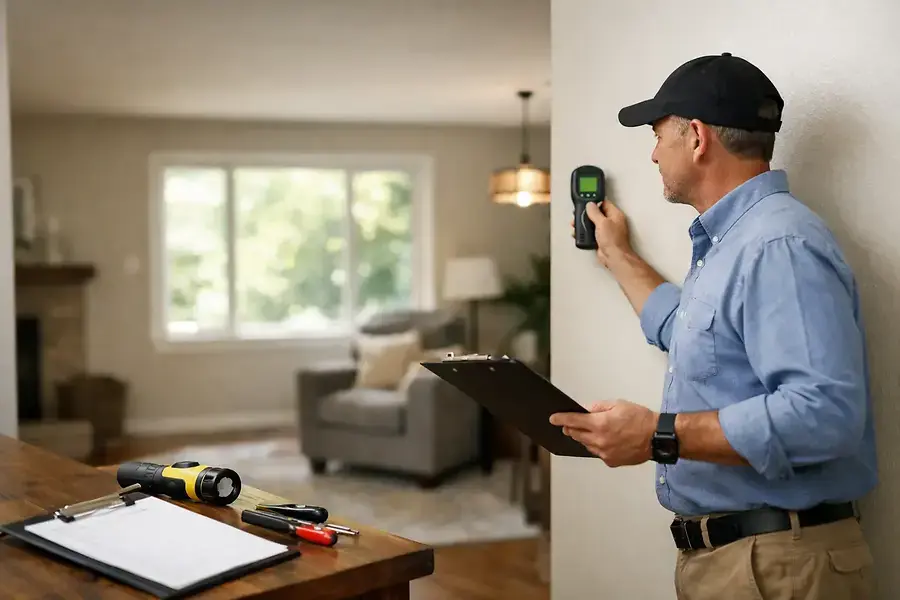
Understanding the Home Inspection Process in Overland Park
Purchasing a home is one of the most significant financial decisions you'll make, and a professional home inspection is your first line of defense against hidden problems. In Overland Park, the inspection process typically begins after you've made an offer on a property and before you finalize your purchase.
A standard home inspection usually takes between two to four hours, depending on the size and age of the property. During this time, a certified inspector will examine the home's structural components, systems, and overall condition. It's crucial to understand that a home inspection is not an appraisal—it's a detailed evaluation of the property's physical condition.
What to Expect During Your Inspection
Most Overland Park home inspections follow a systematic approach. The inspector will evaluate:
- Foundation and structural integrity
- Roofing materials and condition
- Electrical systems and safety
- Plumbing and water systems
- HVAC systems and functionality
- Insulation and ventilation
- Windows, doors, and exterior condition
You have the right to be present during the inspection, and many experts recommend attending to ask questions and gain firsthand knowledge about your potential home.
What Professional Inspectors Look For and Why It Matters
Structural and Foundation Issues
The foundation is literally the backbone of your home. Inspectors look for cracks, settling, water damage, and signs of structural movement. In Overland Park, where soil conditions can vary, foundation issues are particularly important to identify early. Addressing foundation problems promptly can prevent exponentially larger expenses down the road.
Roof and Exterior Condition
Your roof protects everything beneath it. Inspectors examine shingles, flashing, gutters, and drainage systems. They assess the roof's remaining lifespan and identify any areas prone to leaks. A roof replacement can cost $8,000 to $15,000 or more, making this evaluation critical.
Electrical and Plumbing Systems
These systems are essential for daily living and safety. Inspectors check for outdated wiring, improper grounding, water pressure issues, and potential leaks. Faulty electrical systems pose serious fire hazards, while plumbing problems can lead to water damage and mold growth.
HVAC Systems
Heating, ventilation, and air conditioning systems are vital for comfort and indoor air quality. Inspectors verify that systems are functioning properly and assess their age and efficiency. Replacing an HVAC system can cost $5,000 to $10,000, so understanding its condition is essential.
Common Issues Found in Overland Park Homes and Repair Costs
Water Damage and Moisture Issues
Overland Park's climate can contribute to moisture problems. Common issues include:
- Basement water intrusion and seepage
- Roof leaks and damaged flashing
- Poor drainage around the foundation
- Mold growth in attics and crawl spaces
Repair costs range from $500 for minor sealing to $10,000+ for comprehensive waterproofing solutions.
Aging Roofs and Gutters
Many homes in the area have roofs that are nearing the end of their lifespan. A roof typically lasts 20-25 years, and replacement is a significant expense. Gutter repairs and replacements typically cost $1,000 to $3,000.
Outdated Electrical Systems
Older homes may have aluminum wiring or insufficient electrical capacity. Updating electrical systems can cost $3,000 to $8,000 depending on the extent of work needed.
HVAC System Age
Systems over 15 years old may need replacement soon. Budget accordingly, as new systems represent a substantial investment.
Plumbing Concerns
Corroded pipes, outdated materials, and water pressure issues are common. Repairs can range from $500 for minor fixes to $5,000+ for extensive replumbing.
Using Inspection Results to Negotiate Better Terms
Understanding Your Inspection Report
Once the inspection is complete, you'll receive a detailed report categorizing issues by severity. Take time to understand each finding and ask your inspector to clarify anything unclear. The report will distinguish between major structural concerns and minor cosmetic issues.
Strategic Negotiation Approaches
Armed with inspection results, you have several negotiation options:
- Request repairs: Ask the seller to fix significant issues before closing
- Request credits: Negotiate a reduction in the purchase price to cover repairs yourself
- Request inspections: Ask for specialized inspections (pest, radon, mold) if concerns arise
- Walk away: If major issues exceed your comfort level, you may have grounds to terminate the contract
Making Your Case
When negotiating, focus on documented findings from the professional report. Provide repair estimates from licensed contractors to support your requests. Be reasonable in your demands—sellers are more likely to negotiate if your requests are fair and well-documented.
Protecting Yourself Post-Purchase
Even after closing, use your inspection report as a reference guide. Document the condition of your home and keep records of all repairs and maintenance. This information will be valuable for future sales and insurance purposes.
A thorough home inspection is an investment in peace of mind. By understanding what inspectors look for, recognizing common issues in Overland Park homes, and knowing how to leverage inspection results, you'll be better equipped to make informed decisions and protect your investment for years to come.


