What Every Phoenix Home Buyer Should Know About Inspections
Discover the critical inspection points that protect your investment in Arizona's desert climate.

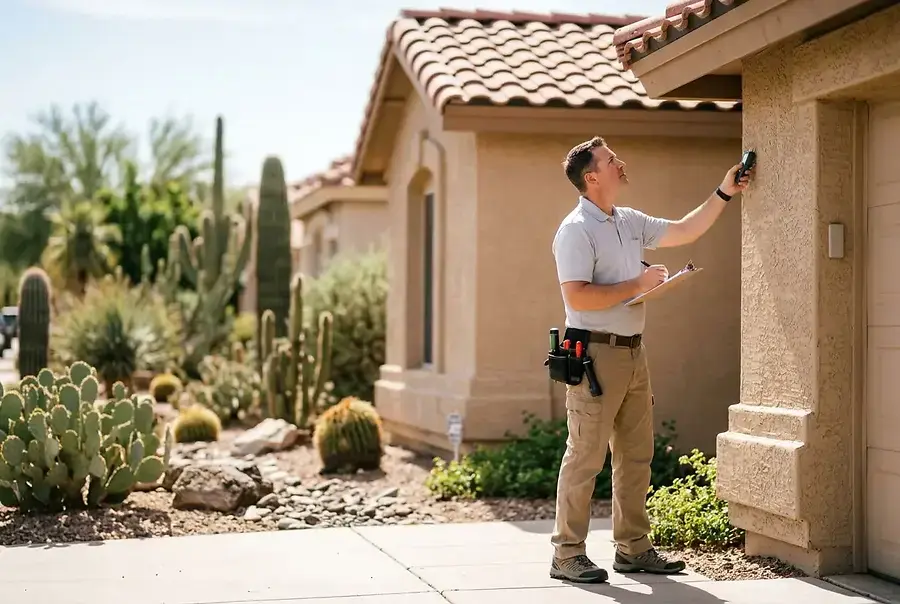
Understanding the Arizona Home Inspection Process
Buying a home in Phoenix is an exciting milestone, but it comes with unique responsibilities. A professional home inspection is one of the most critical steps in the purchasing process, serving as your safeguard against costly surprises after closing. In Arizona, home inspections typically take two to four hours and cover all major systems and components of the property.
During a standard inspection, a licensed inspector will examine the roof, foundation, electrical systems, plumbing, HVAC systems, and interior structures. They'll document their findings in a detailed report that becomes your roadmap for negotiations and future maintenance. Understanding what inspectors look for and why they look for it is essential for making informed decisions about your Phoenix home purchase.
What to Expect During Your Inspection
Most inspectors will provide you with a written report within 24 to 48 hours of the inspection. This report categorizes issues by severity and includes photographs and recommendations. You have the right to be present during the inspection, and many real estate professionals recommend attending to ask questions and learn about your new home's condition firsthand.
Climate-Specific Issues: What Phoenix Inspectors Look For
Phoenix's desert climate presents unique challenges that inspectors prioritize when evaluating homes. The intense heat, low humidity, and occasional monsoons create specific wear patterns and vulnerabilities that differ significantly from other regions.
Roof and Sun Damage
Arizona's relentless sun is the enemy of roofing materials. Inspectors pay special attention to:
- Shingle deterioration and curling from UV exposure
- Tar and sealant breakdown
- Flashing integrity around vents and chimneys
- Signs of previous repairs or patches
A roof in Phoenix typically lasts 15-20 years instead of the standard 20-25 years in cooler climates. If the roof is nearing the end of its lifespan, budget for replacement soon after purchase.
HVAC Systems and Cooling Efficiency
Your air conditioning system is critical in Phoenix. Inspectors evaluate:
- Age and condition of the AC unit
- Proper refrigerant levels
- Ductwork integrity and insulation
- Thermostat functionality
- Evidence of regular maintenance
A well-maintained AC system can last 15-20 years, but Phoenix's constant use accelerates wear. Ask for maintenance records to understand how well the system has been cared for.
Foundation and Concrete Issues
Desert heat causes concrete to expand and contract dramatically. Inspectors look for:
- Cracks in the foundation or concrete slabs
- Uneven settling or shifting
- Water intrusion signs in basements or crawl spaces
- Damage to driveways and patios
Minor cracks are common in Phoenix homes, but significant structural issues require professional evaluation and can be expensive to repair.
Plumbing and Water Systems
Arizona's hard water and mineral deposits create specific plumbing challenges. Inspectors examine:
- Pipe material and age (older copper pipes may have corrosion)
- Water pressure and flow rates
- Water heater condition and age
- Evidence of leaks or water damage
- Septic system condition (if applicable)
Red Flags and How to Address Them Before Closing
Not every inspection finding requires immediate action, but certain red flags demand attention. Understanding which issues are deal-breakers versus cosmetic problems is crucial.
Critical Issues That Need Addressing
Structural problems such as significant foundation cracks, severe roof damage, or evidence of termite damage should be professionally evaluated. These can cost thousands to repair and may affect your home's value and insurability.
Electrical hazards including outdated wiring, improper grounding, or evidence of fire damage are serious safety concerns. Many insurance companies won't cover homes with certain electrical issues.
Plumbing failures like burst pipes, sewage backups, or non-functional water systems require immediate attention and can be costly to repair.
Negotiation Strategies
Once you receive the inspection report, you have several options:
- Request repairs: Ask the seller to fix critical issues before closing
- Request credits: Negotiate a price reduction to cover repair costs yourself
- Walk away: If issues are severe, you may have grounds to terminate the contract
- Accept as-is: For minor issues, you might choose to proceed without concessions
The key is knowing which issues are negotiable and which are non-starters for your situation. A real estate agent experienced in Phoenix properties can provide invaluable guidance here.
Working With Your Real Estate Agent to Interpret Inspection Results
Your real estate agent is your partner in understanding inspection reports. A knowledgeable Phoenix agent will help you prioritize findings and develop a negotiation strategy.
Questions to Ask Your Agent
Don't hesitate to ask your agent:
- Is this issue common in Phoenix homes of this age?
- What's a reasonable repair estimate for this problem?
- Will this issue affect my ability to get insurance or financing?
- How does this compare to other homes in the neighborhood?
- What's the best way to negotiate this with the seller?
Building Your Action Plan
After reviewing the inspection report with your agent, create a prioritized action plan. Focus on health and safety issues first, then structural concerns, then cosmetic items. This approach helps you negotiate effectively and understand your true investment.
Remember, no home is perfect. The inspection process is designed to give you complete information so you can make confident decisions about your Phoenix home purchase. By understanding what inspectors look for and why, you're taking control of your investment and protecting your financial future in Arizona's unique desert environment.
A thorough home inspection is not an expense—it's an investment in peace of mind and financial security.


