What Every Racine Homebuyer Should Know About Property Inspections
Discover the critical inspection checklist that protects your investment and reveals hidden issues before closing day.

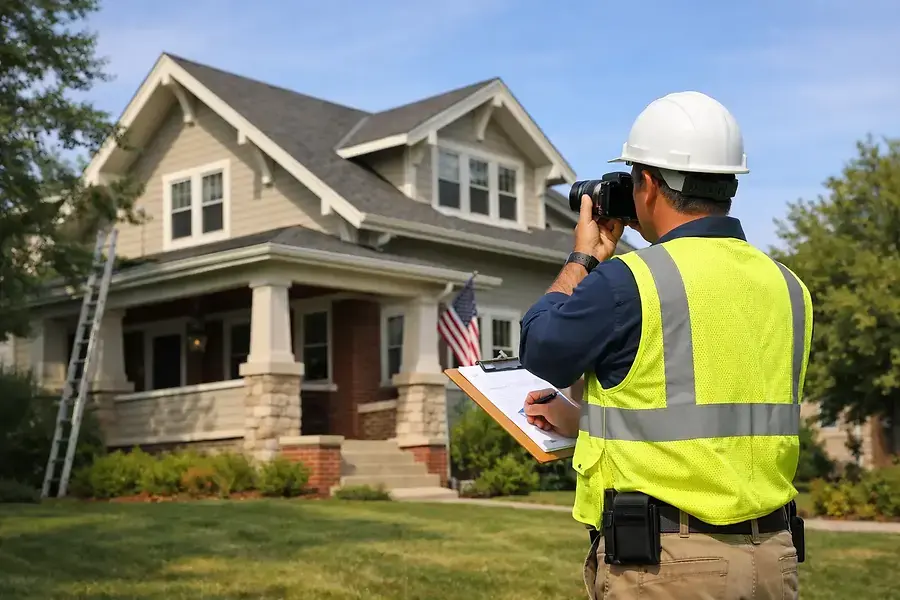
Understanding the Home Inspection Process in Racine
Buying a home in Racine is one of the most significant investments you'll make in your lifetime. A professional home inspection is your best defense against costly surprises after closing day. The inspection process involves a thorough examination of the property's structural integrity, systems, and components by a certified inspector.
In Wisconsin, home inspectors typically spend 2-4 hours examining a property, depending on its size and age. During this time, they'll evaluate everything from the foundation to the roof, documenting their findings in a detailed report. This report becomes your roadmap for understanding the true condition of the property and identifying potential issues that may affect your purchase decision.
What to Expect During the Inspection
Most Racine homebuyers can attend the inspection, and it's highly recommended that you do. Being present allows you to ask questions directly and understand the inspector's concerns firsthand. The inspector will walk through the property systematically, checking each room, system, and structural component while explaining what they're looking for and what they find.
The inspection report typically includes photographs, descriptions of issues, and recommendations for repairs or further evaluation. You'll receive this report within 24-48 hours of the inspection, giving you time to review it before making any decisions about renegotiating or proceeding with the purchase.
Critical Areas Inspectors Examine in Wisconsin Homes
Foundation and Structural Components
Wisconsin's freeze-thaw cycles can be particularly hard on home foundations. Inspectors pay close attention to:
- Cracks in the foundation or basement walls
- Signs of water intrusion or moisture damage
- Proper grading around the foundation
- Basement floor conditions and drainage
Roofing and Exterior
Given Wisconsin's harsh winters and heavy snow loads, roof condition is critical. Inspectors examine:
- Shingle condition, age, and remaining lifespan
- Flashing around chimneys, vents, and skylights
- Gutters and downspout functionality
- Siding integrity and weather protection
- Windows and doors for proper sealing
Heating and Cooling Systems
Wisconsin winters demand reliable heating systems. Inspectors evaluate:
- Furnace age, condition, and efficiency
- Heat pump or air conditioning functionality
- Ductwork integrity and insulation
- Thermostat operation
- Proper ventilation and air quality
Plumbing and Water Systems
Water-related issues can be expensive to repair. Inspectors check:
- Water pressure and flow rates
- Pipe material and condition (galvanized, copper, PEX)
- Water heater age and functionality
- Sump pump operation in basements
- Septic systems or municipal connections
Electrical Systems
Safety is paramount when evaluating electrical systems:
- Panel capacity and condition
- Proper grounding and bonding
- GFCI outlets in wet areas
- Adequate outlets and circuit distribution
- Outdated wiring that may need replacement
Red Flags and What They Mean for Your Purchase Decision
Major Concerns That Require Attention
Foundation Issues: Significant cracks, bowing walls, or evidence of water intrusion suggest structural problems that can be expensive to repair. These warrant a specialist evaluation before proceeding.
Roof Damage: If the roof is near the end of its lifespan or shows significant damage, budget $8,000-$15,000+ for replacement. This is a major expense that should factor into your offer.
Outdated Electrical Systems: Aluminum wiring or a panel that's at capacity may require costly upgrades for safety and functionality.
HVAC System Failure: A furnace or air conditioning system that's failing or near the end of its life represents a significant replacement cost.
Minor Issues You Can Often Negotiate
Not every finding is a deal-breaker. Minor issues like:
- Caulking around windows and doors
- Missing or damaged trim
- Interior paint touch-ups
- Gutter cleaning or minor repairs
- Weatherstripping replacement
These items can often be addressed by the seller before closing or factored into your offer price.
How to Use Inspection Results to Negotiate Better Offers
Review and Prioritize Findings
Once you receive the inspection report, take time to review it carefully. Prioritize findings by severity and cost. Separate major structural or system issues from cosmetic concerns. This helps you determine which items are truly important to your decision.
Get Additional Estimates
For significant issues, obtain repair estimates from licensed contractors. This gives you concrete numbers to use in negotiations rather than relying on the inspector's general assessments. Sellers are more likely to take your concerns seriously when you have documented repair costs.
Craft Your Renegotiation Strategy
You have several options when the inspection reveals issues:
- Request repairs: Ask the seller to fix major issues before closing
- Request credits: Ask for a credit toward closing costs to handle repairs yourself
- Renegotiate price: Request a price reduction reflecting the cost of repairs
- Walk away: If issues are too significant, you may choose to terminate the purchase
Communicate Professionally
Present your findings professionally through your real estate agent. Focus on facts and documented costs rather than emotional arguments. Sellers are more receptive to reasonable requests backed by inspection reports and contractor estimates.
Remember that inspection contingencies typically allow you 7-10 days to review results and make decisions. Use this time wisely to gather information and plan your negotiation strategy.
Final Thoughts
A professional home inspection is one of the most valuable investments you can make during the home-buying process. It protects your financial interests, reveals hidden issues, and gives you the information needed to make confident decisions. By understanding what inspectors look for and how to use their findings effectively, you'll be well-equipped to navigate the Racine real estate market and secure a property that's worth your investment.


