What Every San Diego Home Buyer Should Know About Inspections
Protect your investment by understanding the critical inspection process before closing on your property.

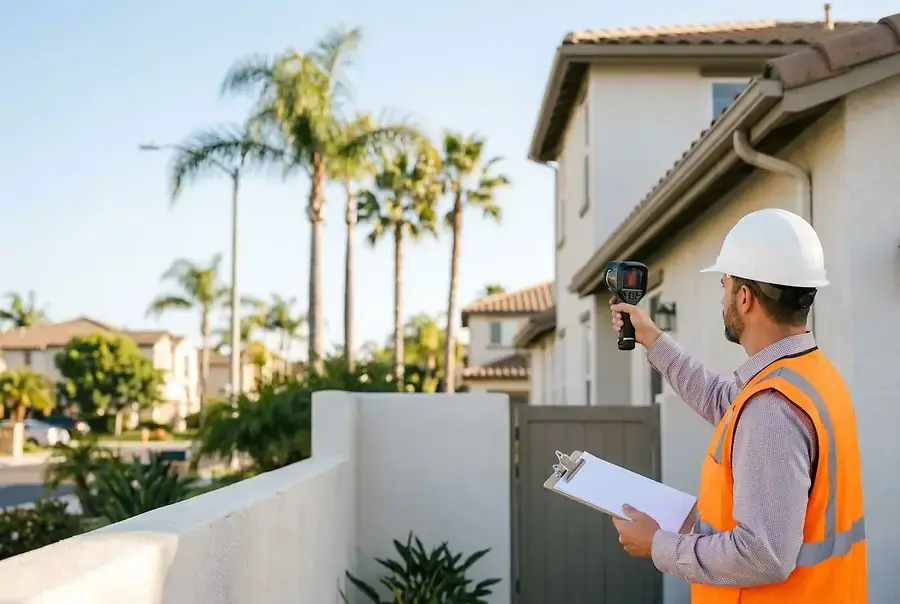
Understanding the Home Inspection Process in San Diego
Buying a home in San Diego is one of the most significant financial decisions you'll make. A professional home inspection is your opportunity to uncover potential issues before you commit to the purchase. The inspection process typically occurs after your offer is accepted and before the final closing date, usually within 7-10 days of the agreement.
A qualified home inspector will spend 2-4 hours examining your property, depending on its size and age. They'll create a detailed report documenting the condition of major systems and components. This inspection is not a pass-or-fail evaluation—rather, it's a comprehensive assessment that helps you make an informed decision about your investment.
In San Diego, it's crucial to hire a licensed inspector who is familiar with local building codes and climate-related issues. The region's unique weather patterns, including salt air near coastal properties and intense sun exposure, can affect homes differently than in other areas. Make sure your inspector understands these regional factors.
Key Areas Inspectors Examine and Red Flags to Watch For
Structural Components
Inspectors will examine the foundation, framing, and overall structural integrity of your home. Watch for cracks in the foundation, water damage, or signs of settling. In San Diego, soil conditions can vary significantly, and some areas are more prone to foundation issues than others.
Roofing and Exterior
The roof is one of the most expensive components to replace. Inspectors will check for missing shingles, leaks, proper ventilation, and the estimated remaining lifespan. Pay special attention to the condition of the roof, as San Diego's sun can accelerate wear and tear. They'll also examine siding, windows, doors, and exterior walls for damage or deterioration.
Plumbing Systems
Your inspector will test water pressure, check for leaks, and examine pipes for corrosion or damage. Older homes in San Diego may have outdated plumbing systems that could require upgrades. Ask about the age and condition of the water heater, as this is another component with a limited lifespan.
Electrical Systems
The inspector will verify that the electrical panel is functioning properly, check outlets and switches, and ensure the system meets current safety standards. Homes built before the 1980s may have outdated wiring or insufficient capacity for modern electrical demands.
HVAC Systems
Heating and cooling systems are critical in San Diego's climate. The inspector will test the air conditioning and heating units, check ductwork, and assess their overall condition and efficiency. Note the age of these systems, as they typically last 15-20 years.
Common San Diego-Specific Issues
- Mold and moisture: San Diego's proximity to the ocean and occasional heavy rains can lead to moisture intrusion and mold growth, particularly in older homes or those with poor drainage.
- Termite damage: The warm climate makes San Diego susceptible to termite infestations. A thorough inspection should include termite damage assessment.
- Coastal property concerns: Homes near the coast may face salt air corrosion, higher wind loads, and specific building code requirements.
- Soil and foundation issues: Some San Diego neighborhoods have expansive clay soils that can cause foundation movement.
Using Inspection Results to Negotiate Better Terms
Once you receive the inspection report, you have several options. Don't panic if the report identifies issues—most homes have some minor problems. The key is determining which issues are significant enough to address.
Request Repairs
You can ask the seller to repair major issues before closing. This is most effective for significant problems like roof damage, electrical hazards, or plumbing failures. Sellers are often more willing to address major structural or safety issues than minor cosmetic problems.
Request Credits
Alternatively, you can ask the seller to provide a credit toward closing costs or a price reduction to cover repairs you'll handle yourself. This gives you control over the repair process and contractor selection.
Renegotiate the Price
If the inspection reveals substantial issues, you may have grounds to renegotiate the purchase price. Document all findings and get repair estimates from licensed contractors to support your negotiation position.
Pro Tip: Always get multiple repair estimates before negotiating. This gives you concrete numbers to present to the seller and strengthens your negotiating position.
Next Steps: From Inspection Report to Closing Day
After addressing inspection findings, you're moving closer to closing. Here's what to expect:
- Final walkthrough: Perform a final walkthrough 24 hours before closing to verify that agreed-upon repairs were completed and the property is in the expected condition.
- Title review: Ensure your title company has cleared any liens or issues identified during the title search.
- Final loan approval: Your lender will conduct a final review to confirm financing is in order.
- Closing disclosure: Review your Closing Disclosure document at least three days before closing to verify all loan terms and costs.
- Closing day: Sign all necessary documents, transfer funds, and receive the keys to your new San Diego home.
Understanding the home inspection process empowers you to make confident decisions about your San Diego property purchase. By knowing what to expect, what to look for, and how to use inspection results effectively, you're protecting your investment and ensuring a smoother path to homeownership. Don't hesitate to ask your real estate agent or inspector questions—this is your opportunity to fully understand the condition of your future home.